.avif)
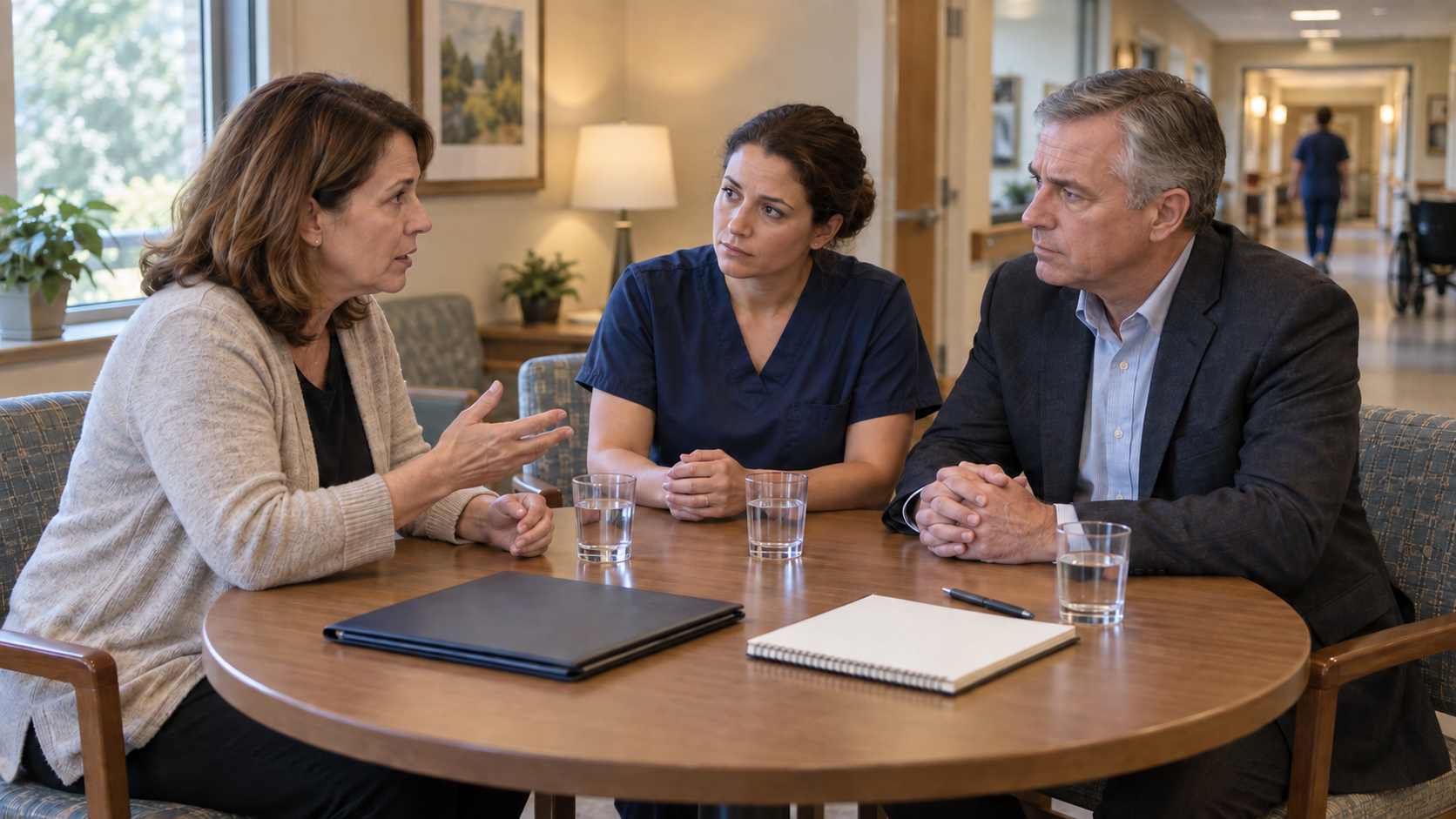
Families place loved ones in nursing homes with the expectation that trained caregivers will provide the supervision, medical attention, assistance, and dignity residents need. Unfortunately, when there are too few employees responsible for too many residents, even basic care can become delayed, rushed, or overlooked. Understaffed nursing homes can create an environment where preventable falls, medication mistakes, pressure injuries, dehydration, infections, and other serious problems are more likely to occur.
Understaffing in nursing homes is particularly concerning because many residents cannot independently protect themselves or communicate when something is wrong. A resident may depend on staff for everything from getting out of bed and using the bathroom to eating, taking medication, repositioning, and recognizing a medical emergency. Understanding how insufficient staffing can contribute to nursing home neglect can help families identify warning signs and take action when a loved one's health or safety is being compromised.
Why Are Understaffed Nursing Homes So Dangerous?
Nursing home residents often require frequent hands-on assistance throughout the day and night. When employees are responsible for more residents than they can realistically care for, seemingly small delays can have significant consequences.
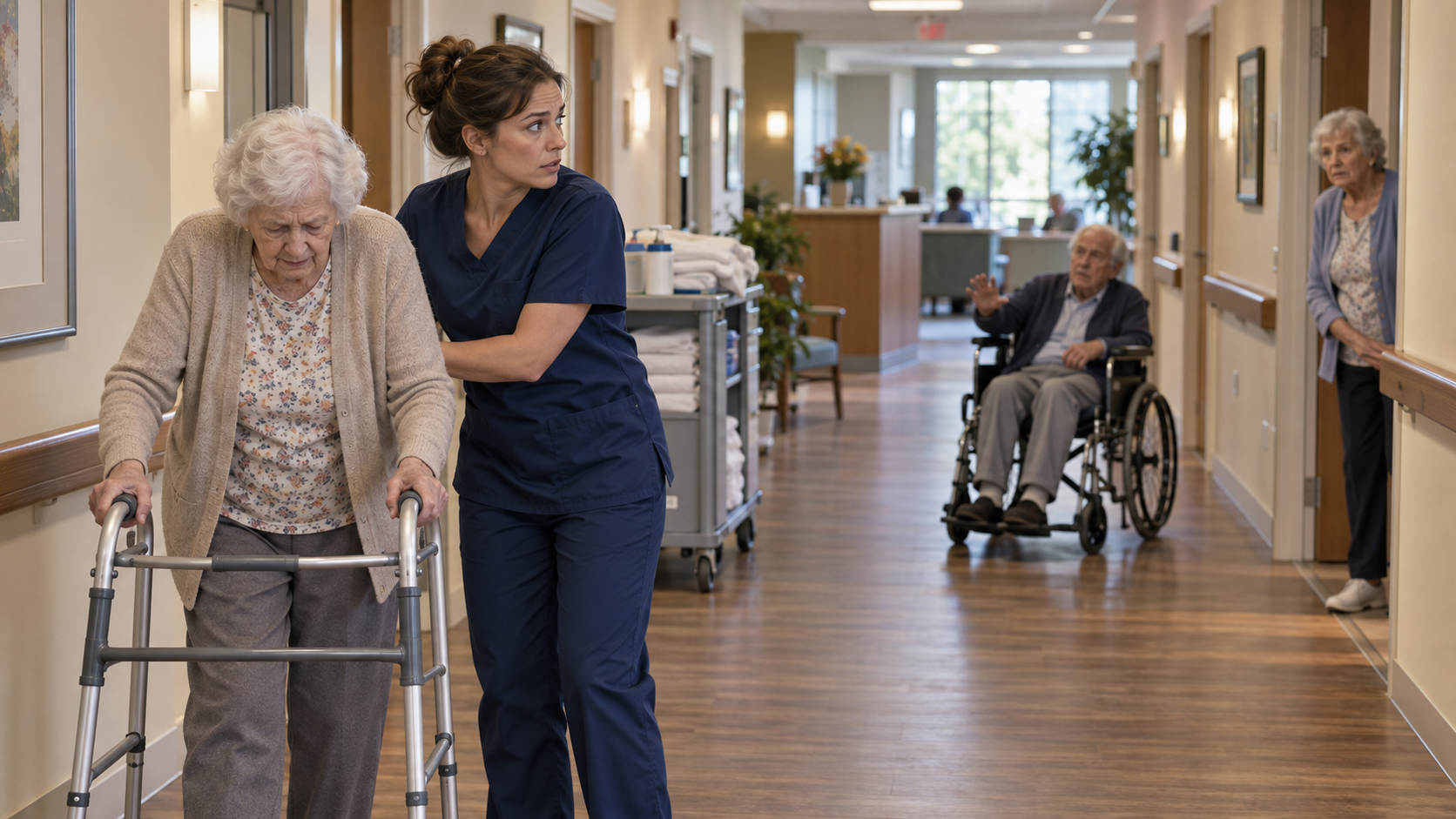
A nursing assistant who is simultaneously responsible for several residents may be unable to answer every call light promptly. A nurse managing an excessive workload may have less time to recognize subtle changes in a resident's condition. Staff members who are exhausted or rushing from one task to another may also be more susceptible to mistakes.
CMS has recognized the connection between nursing staffing and the quality of care residents receive, noting that staffing levels can affect resident safety and health outcomes.
The danger is that chronic understaffing can gradually make inadequate care feel routine. Missed showers, delayed toileting assistance, unanswered call lights, incomplete documentation, and rushed meals may eventually contribute to much more serious injuries.
1. Increased Risk of Falls and Fall-Related Injuries
Falls are among the most significant dangers associated with understaffed nursing homes.
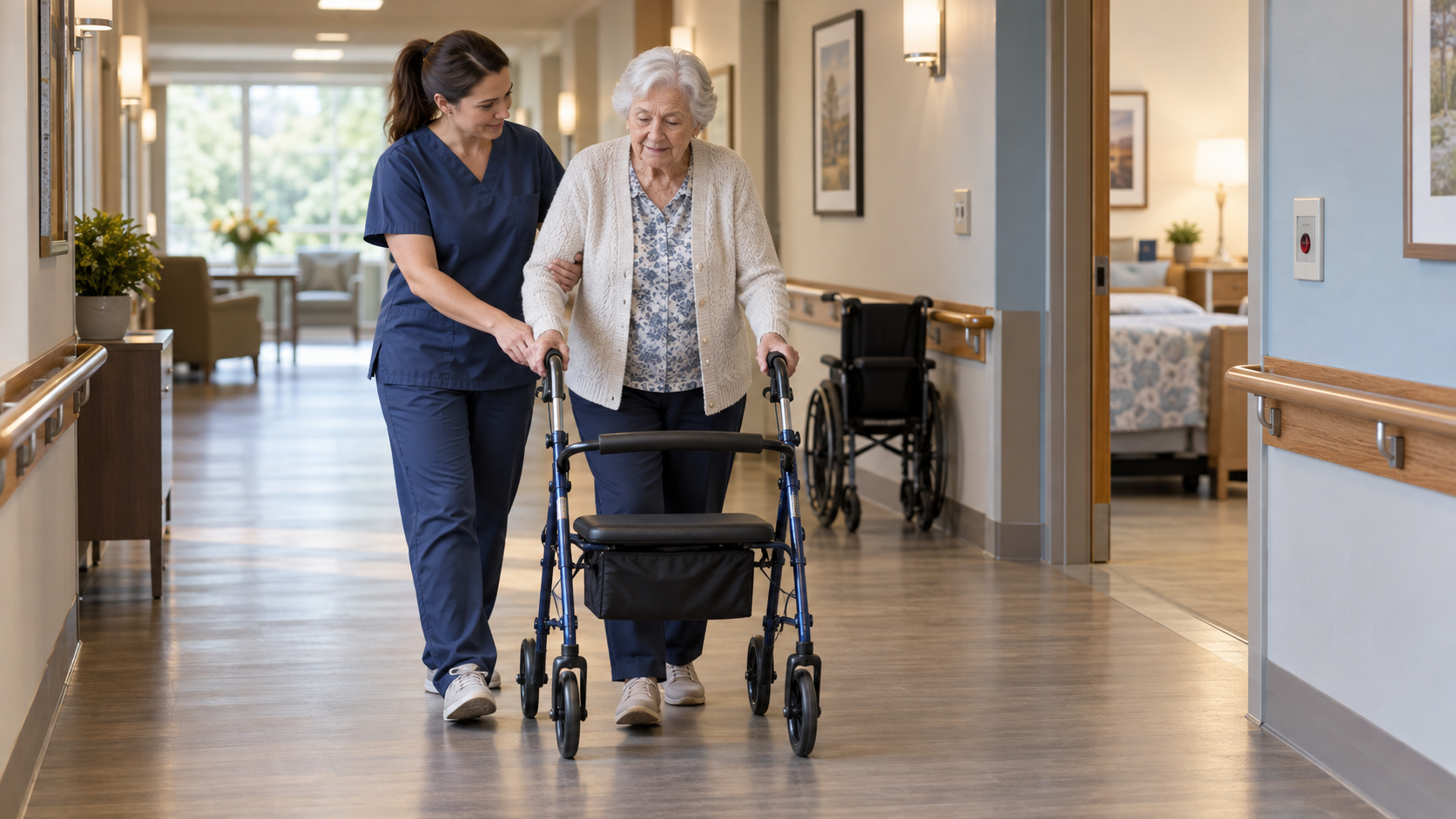
Many nursing home residents need assistance when standing, transferring from a bed to a wheelchair, walking to the bathroom, or moving through the facility. Others may require supervision because medications, dementia, muscle weakness, poor balance, or vision problems increase their fall risk.
When adequate assistance is unavailable, residents may attempt to move on their own.
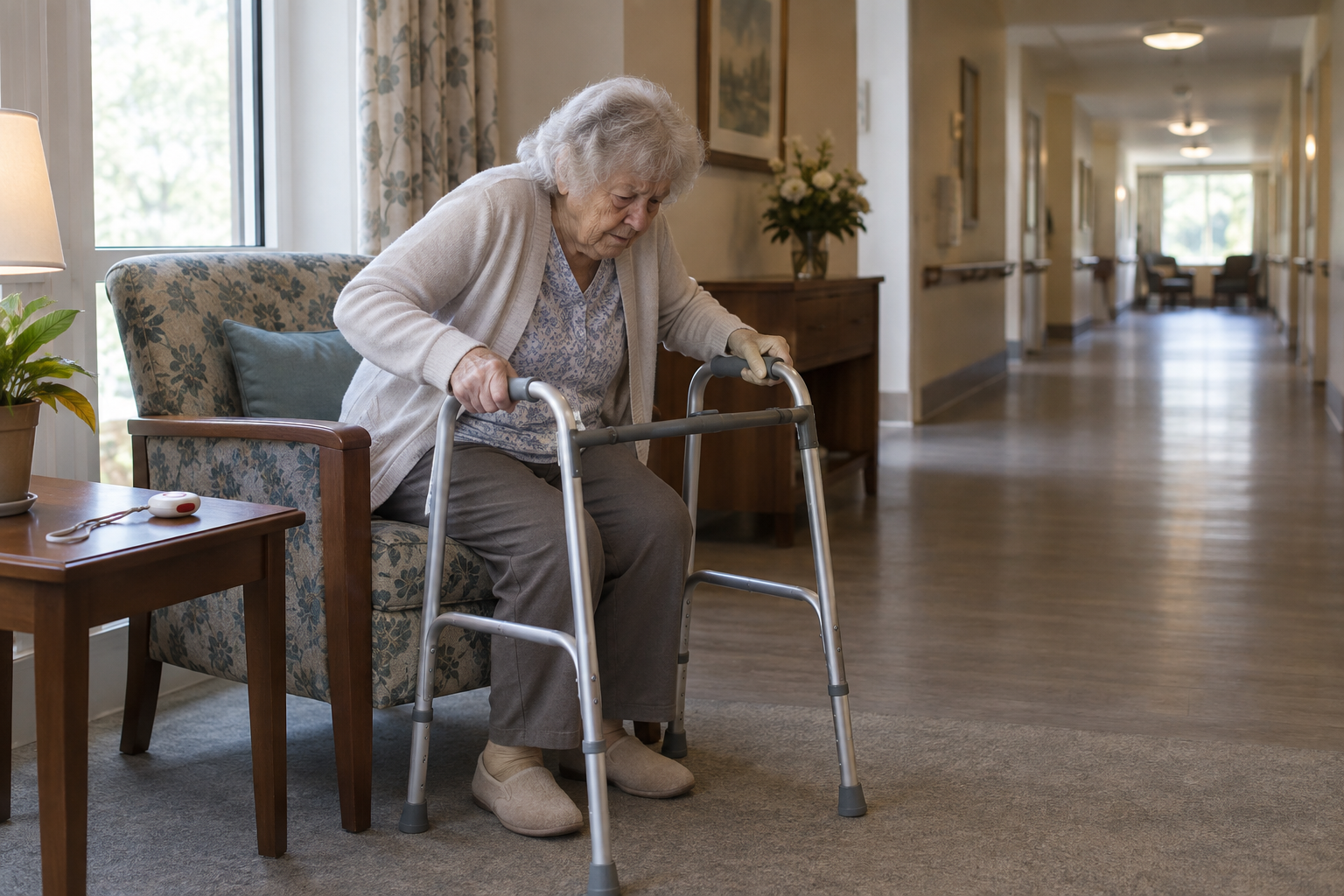
Understaffing can contribute to falls when:
- Call lights go unanswered for extended periods.
- Staff fail to assist residents with toileting.
- Residents do not receive required one-person or two-person transfer assistance.
- High-risk residents are not appropriately supervised.
- Walkways and resident rooms are not promptly cleared of hazards.
- Individual fall-prevention plans are not consistently followed.
- Employees rush transfers or mobility assistance.
A fall can cause broken hips, fractures, head injuries, traumatic brain injuries, hospitalization, decreased mobility, and other potentially life-changing complications.
2. Pressure Ulcers and Failure to Reposition Residents
Residents who spend substantial amounts of time in a bed or wheelchair may need staff to regularly reposition them and protect vulnerable areas of the skin.
When caregivers are overwhelmed, repositioning schedules can be missed or delayed. Residents may also remain in wet or soiled clothing or bedding longer than they should, further placing skin integrity at risk.
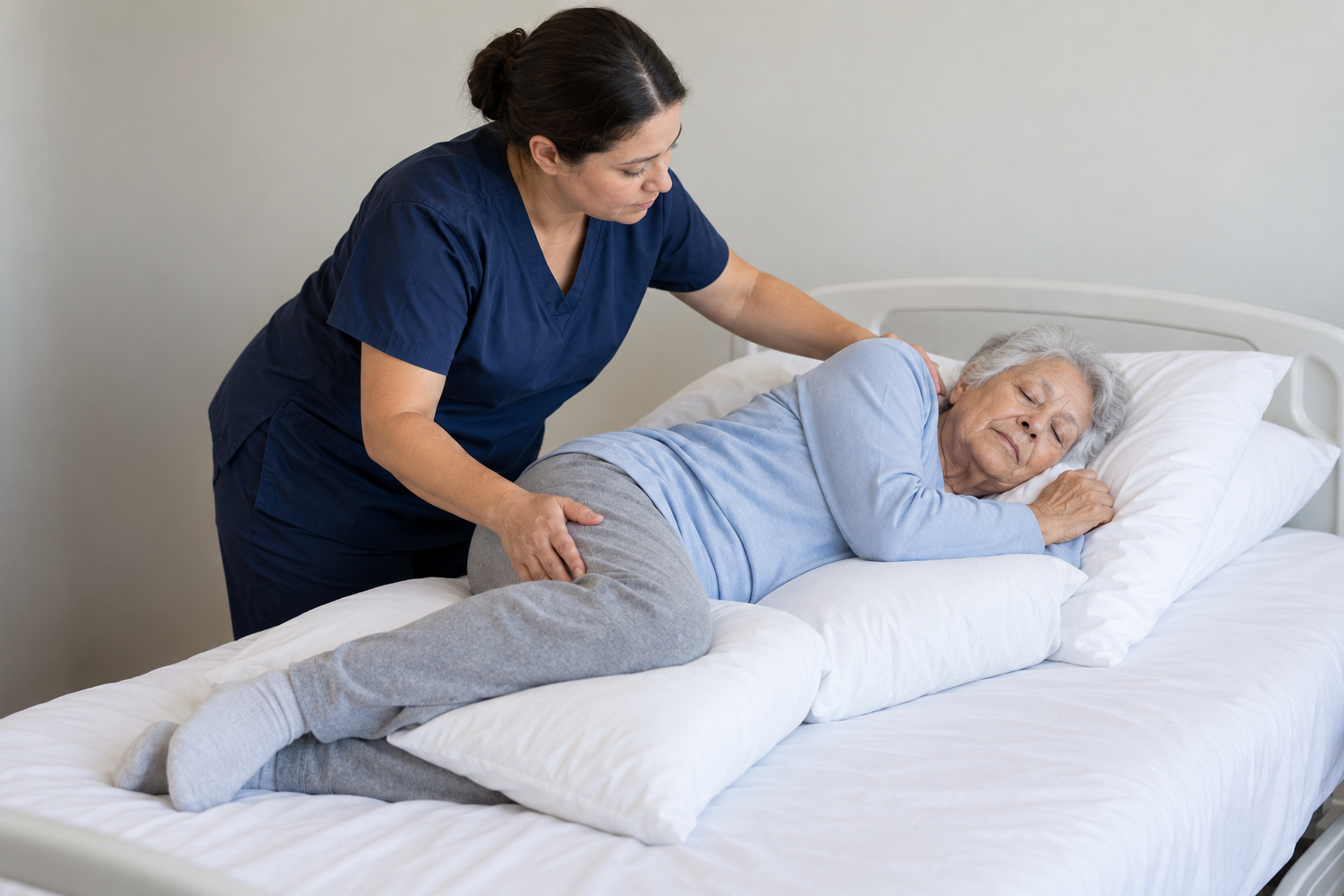
Potential consequences can include:
- Pressure ulcers or bedsores
- Skin breakdown
- Wound infections
- Increasing pain
- Tissue damage
- More intensive medical treatment
- Hospitalization in serious cases
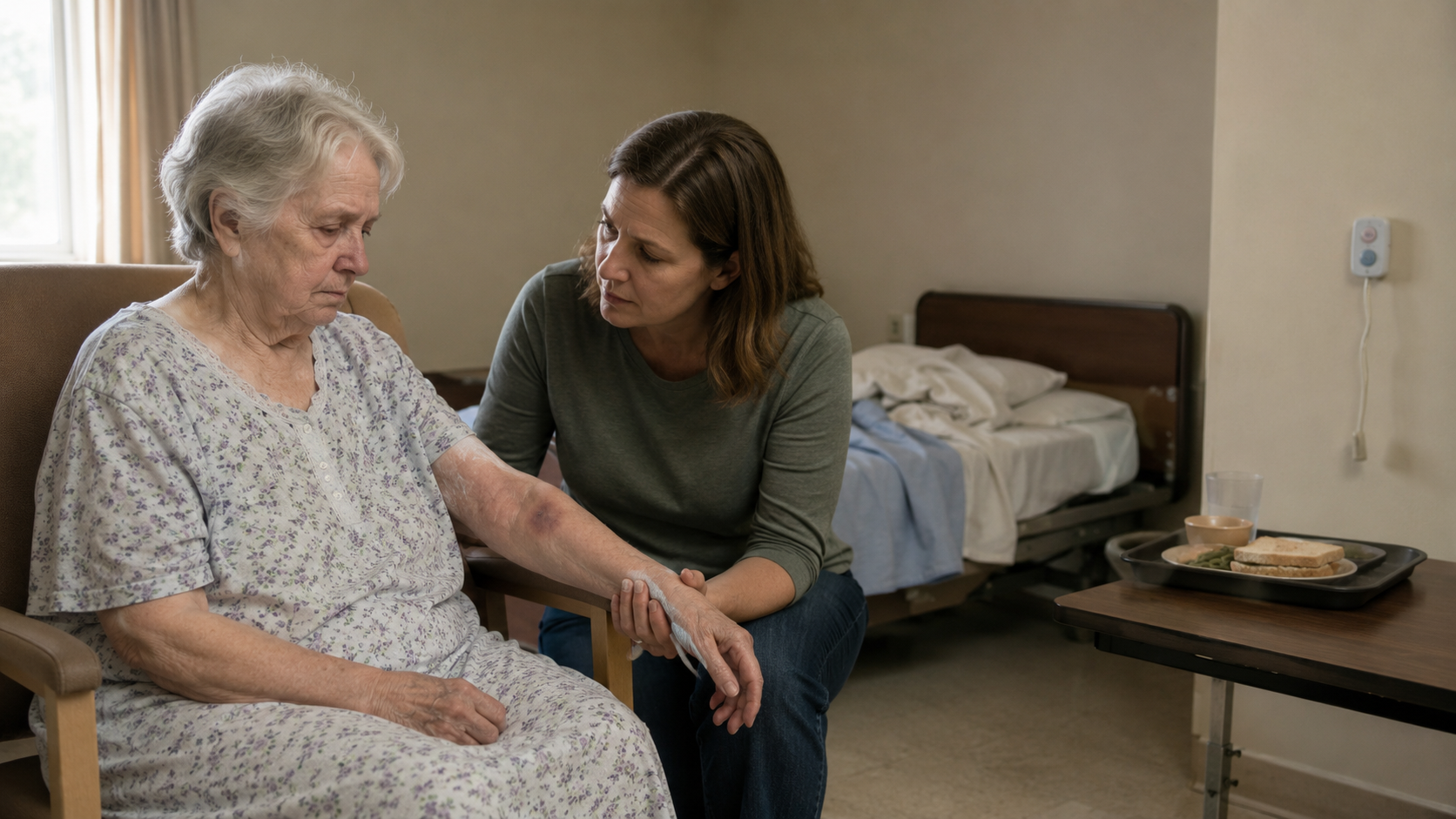
Pressure injuries should never automatically be assumed to be proof of neglect because some medically vulnerable residents can develop them despite appropriate treatment. However, unexplained or worsening pressure wounds may warrant closer investigation into whether the resident received appropriate preventative care.
3. Medication Errors and Missed Treatments
Nurses working in an understaffed facility may be responsible for administering medications and treatments to numerous residents while simultaneously responding to changing medical conditions and emergencies.
Excessive workloads can increase the opportunity for mistakes.
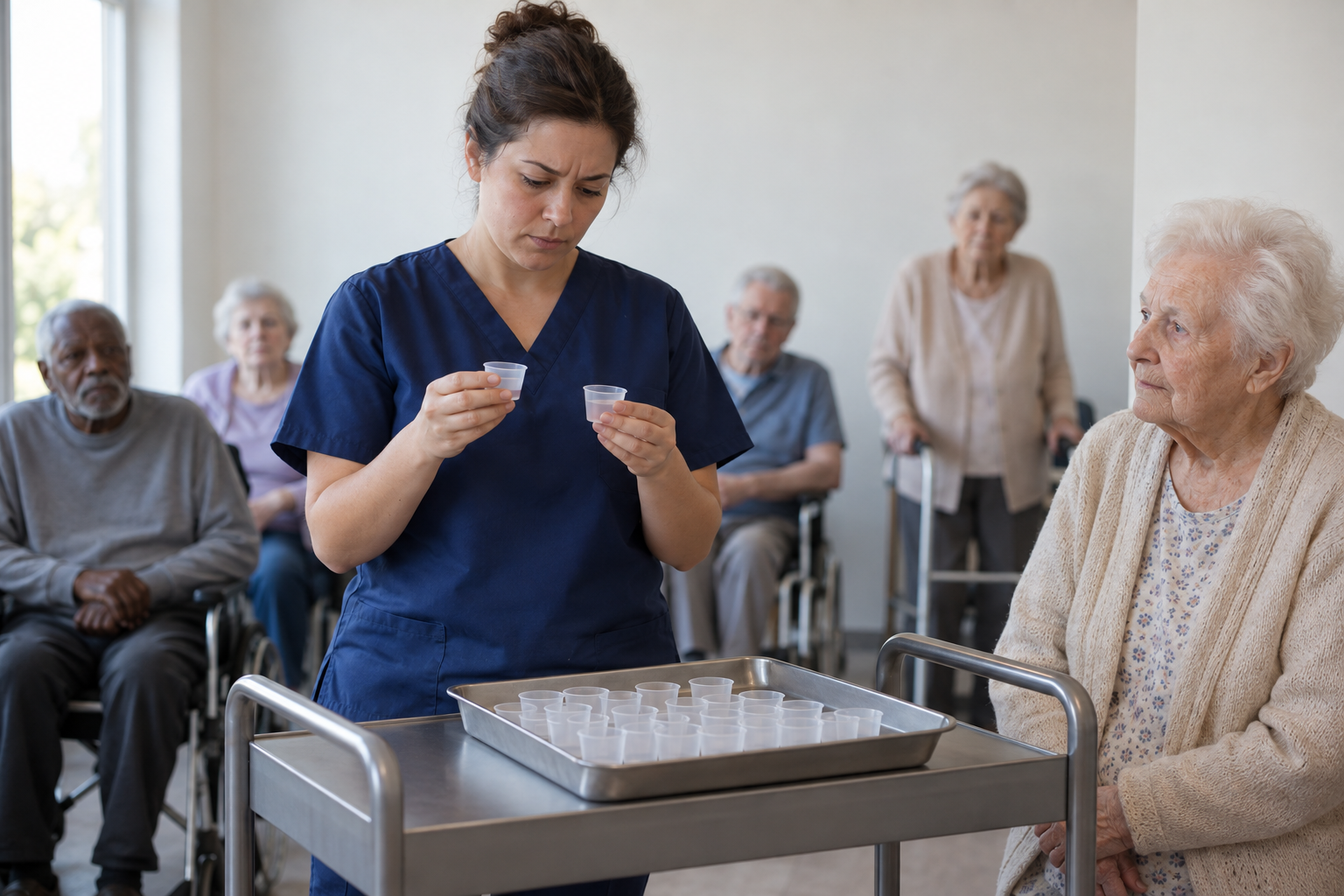
Medication-related problems may include:
- Missed doses
- Delayed medications
- Incorrect dosages
- Medication given to the wrong resident
- Failure to monitor side effects
- Failure to follow physician orders
- Delayed treatments or wound care
Medication errors can be particularly dangerous for residents managing diabetes, heart disease, infections, seizure disorders, blood pressure problems, and other serious medical conditions.
4. Dehydration and Malnutrition
Some elderly residents cannot independently obtain food or water. Others have dementia, swallowing difficulties, limited mobility, poor appetite, or medical conditions that require staff to closely monitor their nutrition and hydration.
In understaffed nursing homes, caregivers may lack adequate time to assist residents through meals or continually encourage fluids.

Warning signs may include:
- Unexplained weight loss
- Dry mouth or cracked lips
- Weakness
- Increased confusion
- Reduced appetite
- Changes in urination
- Frequent dehydration
- Meals repeatedly left untouched
Nutrition and hydration require more than simply placing a tray in front of a resident. When a care plan indicates that someone needs feeding assistance, supervision, or monitoring, staff must have enough time to actually provide that care.
5. Poor Hygiene and Incontinence Care
Residents deserve clean clothing, clean bedding, bathing assistance, oral care, toileting assistance, and other basic personal care.
Understaffing can lead employees to prioritize immediate medical problems while postponing tasks considered less urgent. Unfortunately, repeatedly delaying hygiene and incontinence care can have serious physical and emotional consequences.
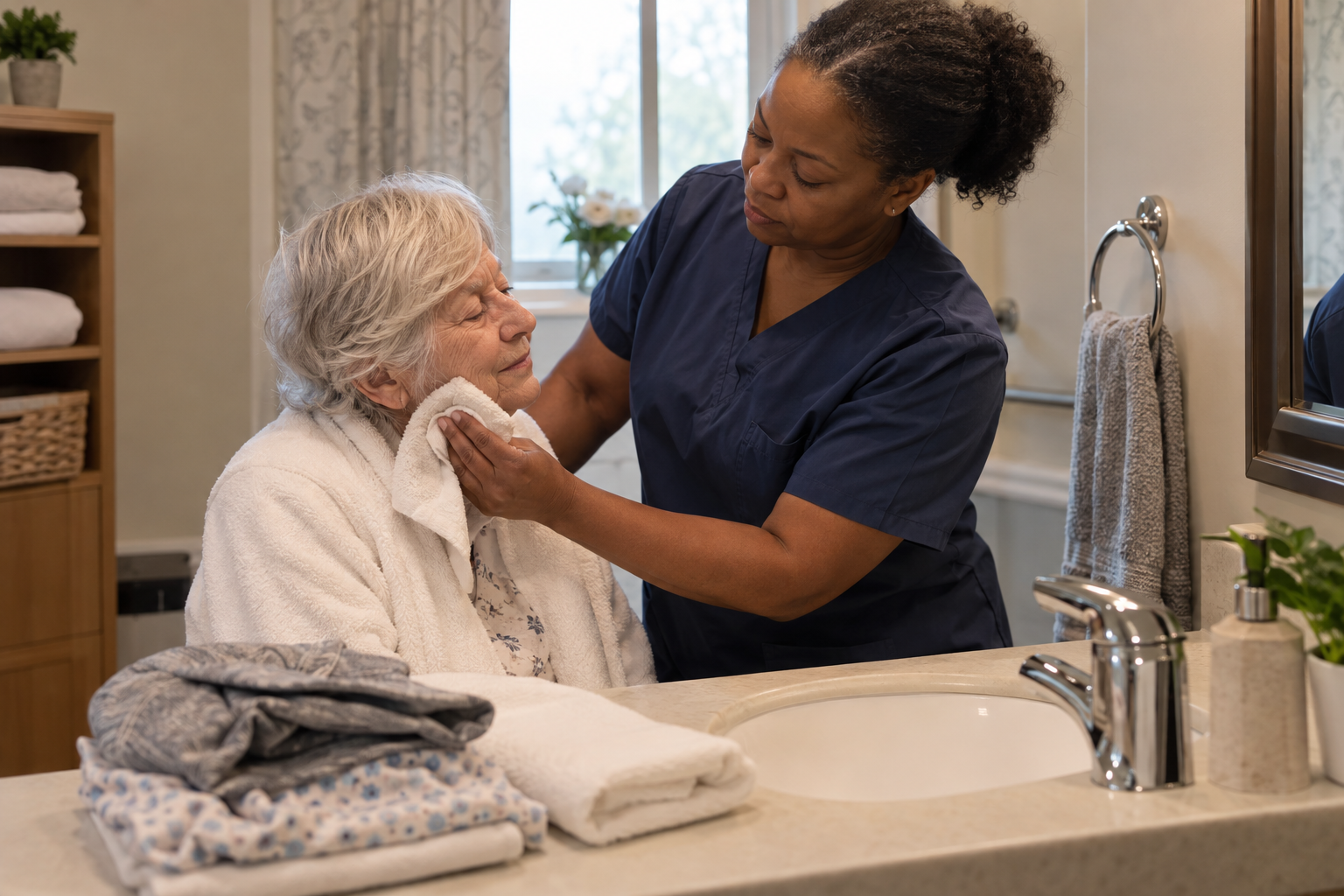
Residents who remain in soiled clothing or bedding may experience skin irritation, infections, pressure injuries, discomfort, embarrassment, and loss of dignity.
Frequent poor hygiene should therefore not simply be dismissed as an unavoidable part of living in a nursing home.
6. Delayed Responses to Medical Emergencies
Changes in an elderly resident's health can occur quickly.
A sudden change in behavior, difficulty breathing, fever, weakness, confusion, chest pain, altered consciousness, or abnormal vital signs may signal a serious medical problem requiring prompt evaluation.
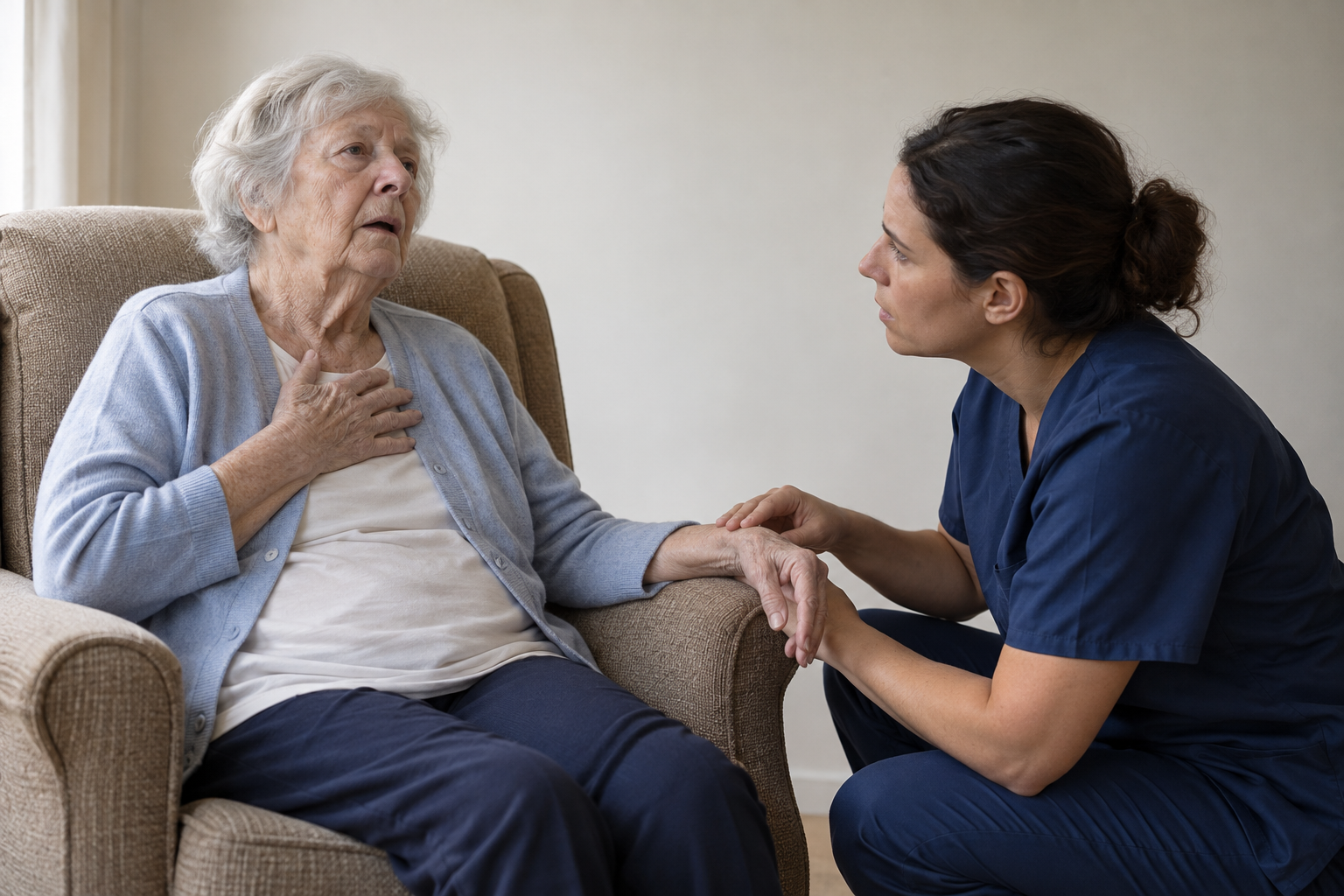
When employees are stretched too thin, warning signs may go unnoticed or concerns may not be escalated quickly enough. Delayed recognition of a medical emergency can potentially allow a treatable condition to become significantly more severe.
Understaffing may also reduce the amount of time caregivers spend directly interacting with each resident, making it harder to notice gradual changes from the resident's normal condition.
7. Increased Risk of Wandering and Elopement
Residents living with Alzheimer's disease, dementia, or other cognitive impairments may require extensive supervision.
Some residents are at risk of wandering into unsafe parts of a facility or leaving the property entirely. Nursing homes should identify residents with known wandering or elopement risks and implement appropriate safety measures based on their individual needs.
When too few caregivers are available, a resident may leave a supervised area without being noticed.
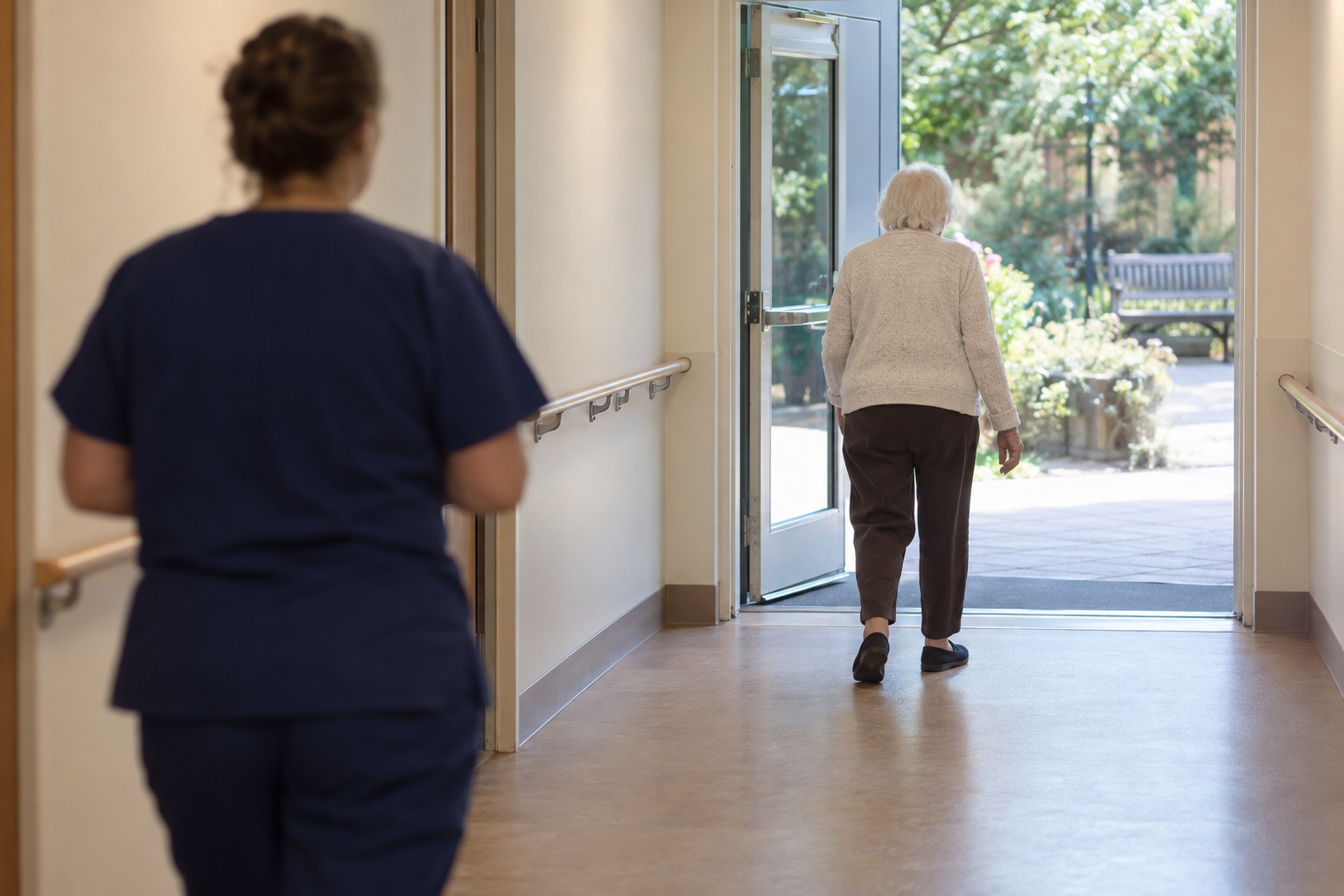
Potential dangers can include:
- Falls
- Traffic accidents
- Exposure to extreme temperatures
- Becoming lost
- Entering unsafe areas
- Delayed medical care
A wandering or elopement incident may raise important questions about staffing, supervision, security procedures, and whether the facility followed the resident's care plan.
8. Greater Potential for Abuse to Go Undetected
Understaffing can also create circumstances in which abuse or mistreatment is less likely to be noticed.
When employees have limited time to interact with residents, they may fail to recognize changes in behavior, unexplained injuries, fearfulness, or signs that another caregiver or resident is causing harm.
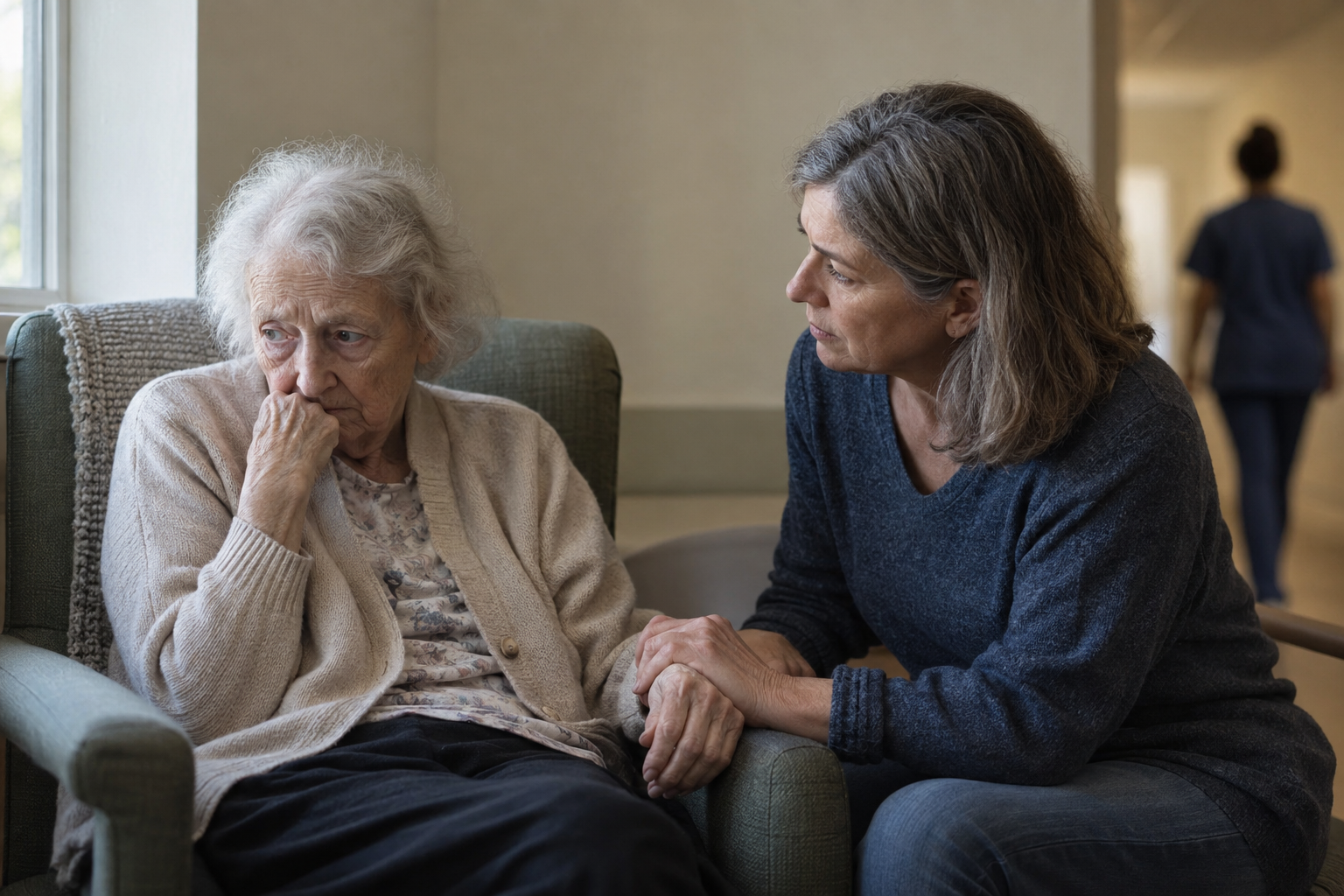
Overworked employees may also experience significant fatigue and stress. While staffing shortages never excuse abusive behavior, poor staffing practices can contribute to an unsafe organizational environment where supervision and accountability suffer.
Families should take unexplained injuries, abrupt behavioral changes, fear of particular employees, or unusual withdrawal seriously.
9. Increased Infection Risks
Preventing infection in a nursing home requires consistent attention to hygiene, wound care, toileting, cleaning, medical treatments, and changes in resident health.
When staff members are rushed, important infection-control practices or routine care tasks may not receive the attention they require.
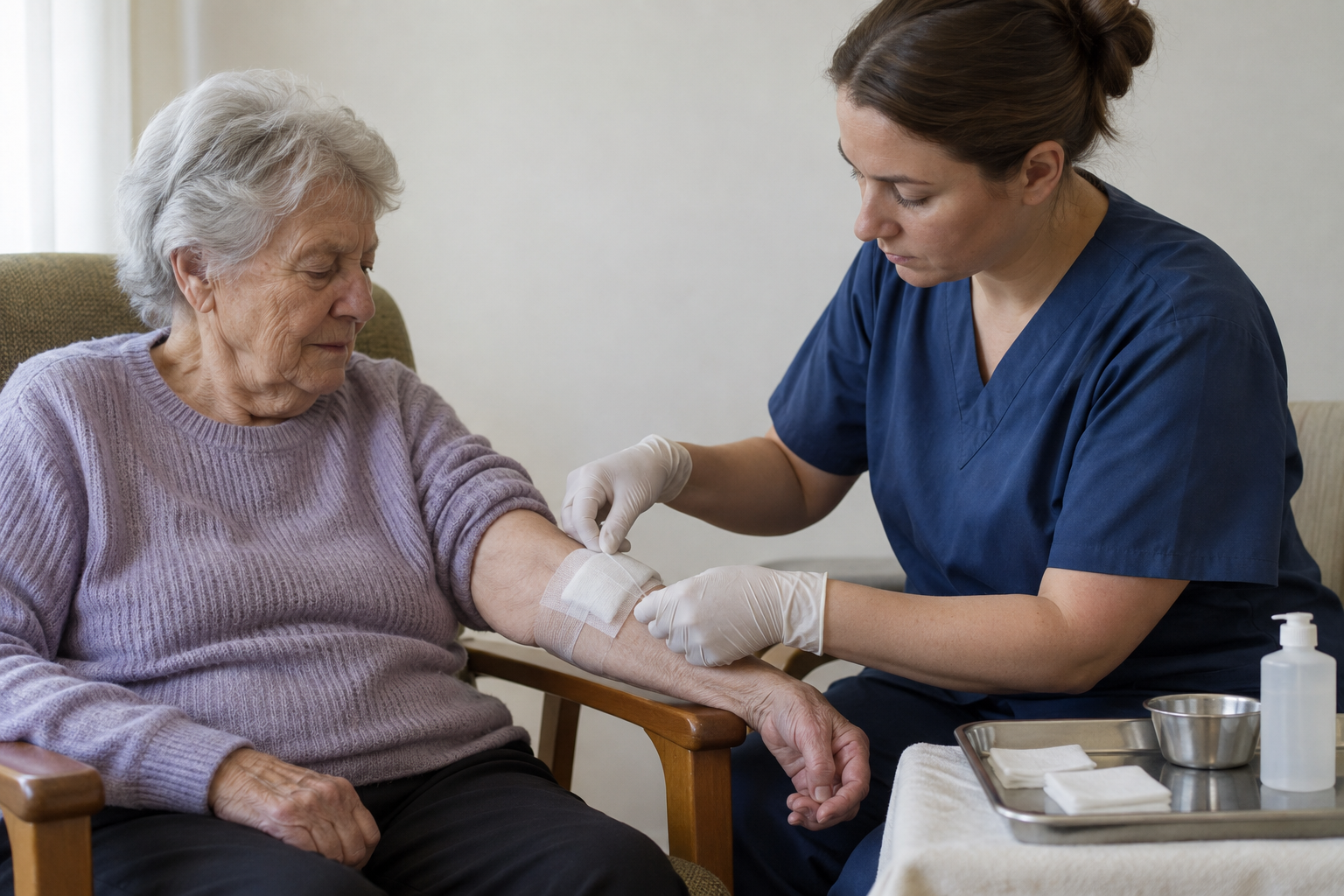
Residents may be particularly vulnerable because many nursing home populations include individuals with weakened immune systems, chronic illnesses, open wounds, catheters, or other medical conditions that increase susceptibility to infection.
A delayed response to an infection can also allow a resident's health to deteriorate before appropriate treatment begins.
10. Emotional Neglect and Social Isolation
Not every consequence of understaffing in nursing homes is immediately visible.
Residents need more than medication, meals, and basic medical treatment. Human interaction and emotional support can have an important role in their quality of life.
When employees are constantly rushing between residents, meaningful conversation and personal attention may disappear. Residents may spend long periods alone and could become increasingly withdrawn, distressed, lonely, or socially isolated.
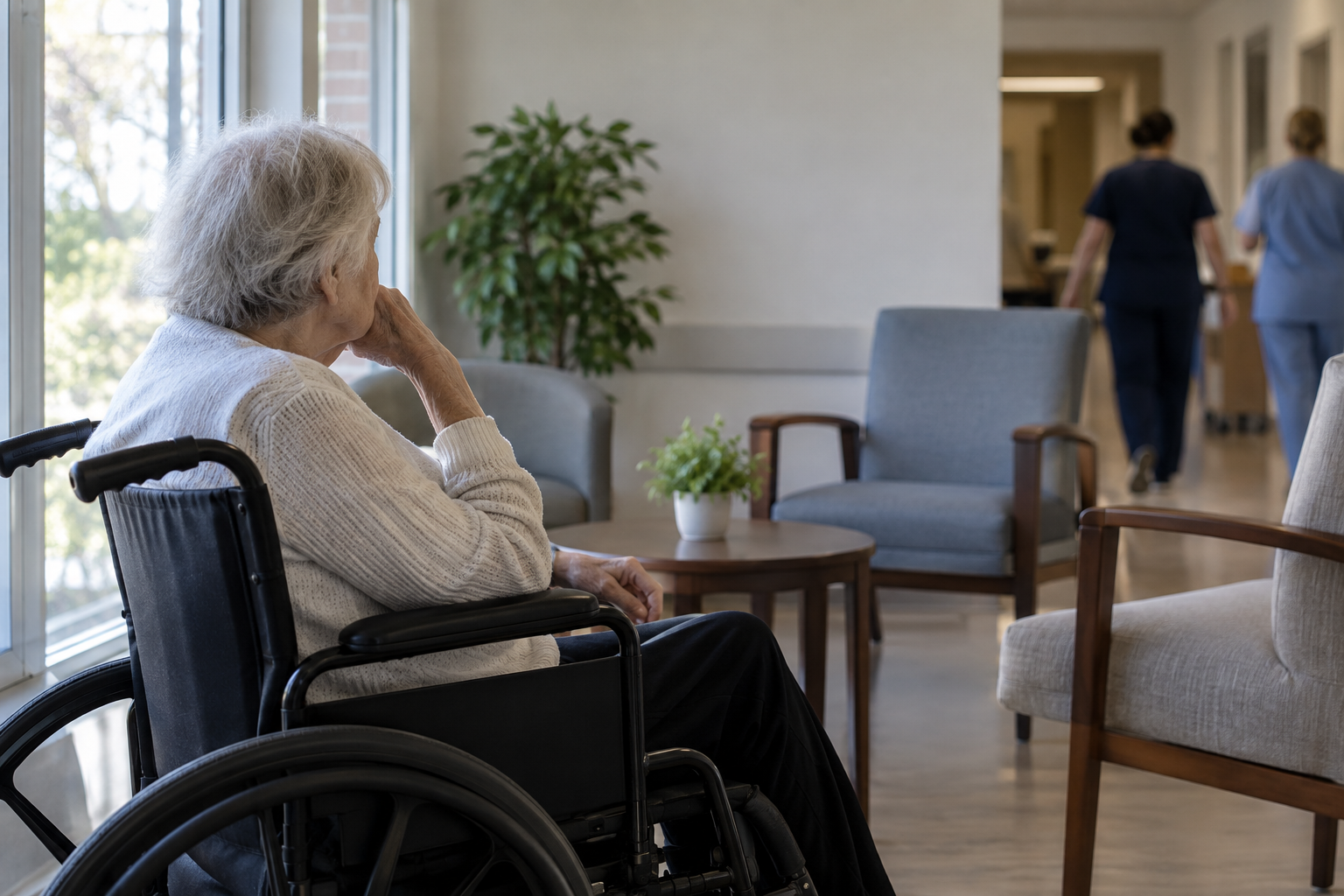
Families may notice changes such as:
- Increased sadness or anxiety
- Unusual withdrawal
- Loss of interest in activities
- Fearfulness
- Changes in sleeping patterns
- Sudden reluctance to communicate
Changes in emotional well-being can have many possible causes, but they should not be ignored.
Common Warning Signs of Understaffed Nursing Homes
Families do not typically have access to every staffing schedule or internal facility record. However, patterns inside a nursing home can indicate that employees may be struggling to keep up with resident needs.
Potential warning signs include:
- Call lights frequently going unanswered
- Long waits for toileting or mobility assistance
- Residents appearing unwashed or wearing soiled clothing
- Staff members consistently appearing rushed or overwhelmed
- Frequent use of temporary or unfamiliar staff
- Meals sitting untouched without assistance
- Unexplained falls or recurring injuries
- Worsening bedsores
- Missed medications or medical appointments
- Poor communication with families
- Dirty resident rooms or common areas
- Residents repeatedly complaining that no one comes when they ask for help
- Significant differences in staffing during evenings, weekends, or holidays
One incident alone may not establish that a nursing home is dangerously understaffed. Repeated problems, however, can indicate a broader failure in the facility's ability to provide adequate care.
What Should Families Do If They Suspect Nursing Home Understaffing?
If you believe insufficient staffing is affecting a loved one's health or safety, documenting what you observe can be extremely important.
Consider keeping detailed records of concerning incidents, including dates, times, locations, and the names of employees involved when known.
Families may also want to:
- Photograph visible injuries or unsafe conditions.
- Keep copies of relevant medical records and care plans.
- Document unanswered call lights or unusually long response times.
- Write down statements made by the resident.
- Save emails, text messages, and other communications with the facility.
- Ask administrators for explanations regarding unexplained injuries or changes in care.
- Report suspected abuse or neglect to the appropriate authorities.
- Seek emergency medical attention when necessary.
If a resident is facing immediate danger or a medical emergency, protecting the resident's safety should come before gathering evidence.
When Can Understaffing in Nursing Homes Lead to Legal Liability?
Not every staffing shortage automatically creates a successful legal claim. The central question is generally whether the facility failed to provide appropriate care and whether that failure contributed to harm.
For example, a legal investigation may examine whether a resident was known to require assistance with transfers but fell after repeatedly receiving no response to a call light. Similarly, attorneys may investigate whether inadequate staffing contributed to untreated pressure injuries, medication mistakes, dehydration, delayed medical treatment, or another preventable injury.
Evidence potentially relevant to a nursing home neglect case can include:
- Medical records
- Nursing notes
- Resident care plans
- Staffing schedules and payroll records
- Facility policies and procedures
- Incident reports
- Inspection and regulatory records
- Photographs or video
- Witness statements
- Communications between the family and facility
- Expert evaluations
A nursing home may have staffing information that a family cannot readily access on its own. An experienced nursing home abuse attorney can investigate the circumstances and determine whether staffing practices, failures to follow a care plan, inadequate supervision, or other negligent conduct contributed to a resident's injuries.
Peck Law Corporation Represents Victims of Nursing Home Abuse and Neglect Across Southern California
At Peck Law Corporation, we are based in Simi Valley, California, and represent individuals and families in elder abuse and nursing home abuse and neglect cases throughout Southern California. Our experienced elder abuse and nursing home abuse lawyers investigate injury-related cases involving neglect, inadequate supervision, falls, pressure injuries, poor medical care, and other serious harm to vulnerable residents.
We understand that families facing suspected nursing home neglect may already be dealing with medical expenses, uncertainty, and significant emotional stress. That is why we handle all injury-related cases on a contingency fee basis, meaning there are no upfront attorney fees and we are paid only if we successfully recover compensation for you. Our practice focuses on injury-related elder abuse and nursing home abuse matters; Peck Law Corporation does not handle cases involving financial abuse.
Protect Your Loved One From the Consequences of an Understaffed Nursing Home
Understaffed nursing homes can place vulnerable residents at unnecessary risk when there are not enough qualified caregivers available to provide the supervision, assistance, medical attention, and daily care residents require. Falls, pressure injuries, medication errors, dehydration, malnutrition, infections, poor hygiene, wandering incidents, and delayed emergency care can all raise questions about whether understaffing in nursing homes contributed to preventable harm.
If your loved one has been injured or neglected in a nursing home and you believe insufficient staffing may have played a role, contact Peck Law Corporation for a free legal consultation. Our elder abuse and nursing home abuse lawyers serve families throughout Southern California and can review what happened, investigate the circumstances surrounding your loved one's care, and explain the legal options that may be available.
Frequently Asked Questions
Can understaffing in nursing homes lead to neglect?
Yes, understaffing in nursing homes can contribute to neglect when residents do not receive the care, supervision, or assistance they need. Chronic staffing shortages can result in unanswered call lights, missed repositioning, delayed medical attention, and other failures in basic care.
Is nursing home understaffing considered negligence?
Understaffing alone does not automatically prove negligence, but it may contribute to a negligence claim if inadequate staffing resulted in substandard care and caused an injury. The specific circumstances, resident's needs, facility practices, and available evidence must usually be evaluated.
Can you sue a nursing home for injuries caused by understaffing?
You may be able to pursue a nursing home neglect claim if inadequate staffing contributed to a preventable injury or failure to provide appropriate care. An attorney can investigate staffing records, care plans, medical records, and other evidence to determine whether the facility may be legally responsible.
What are the warning signs of an understaffed nursing home?
Warning signs may include unanswered call lights, rushed employees, poor hygiene, dirty rooms, frequent falls, unexplained injuries, missed meals, or residents waiting long periods for assistance. Repeated problems may indicate that the facility does not have enough staff to meet residents' needs.
%20(1).avif)