.avif)
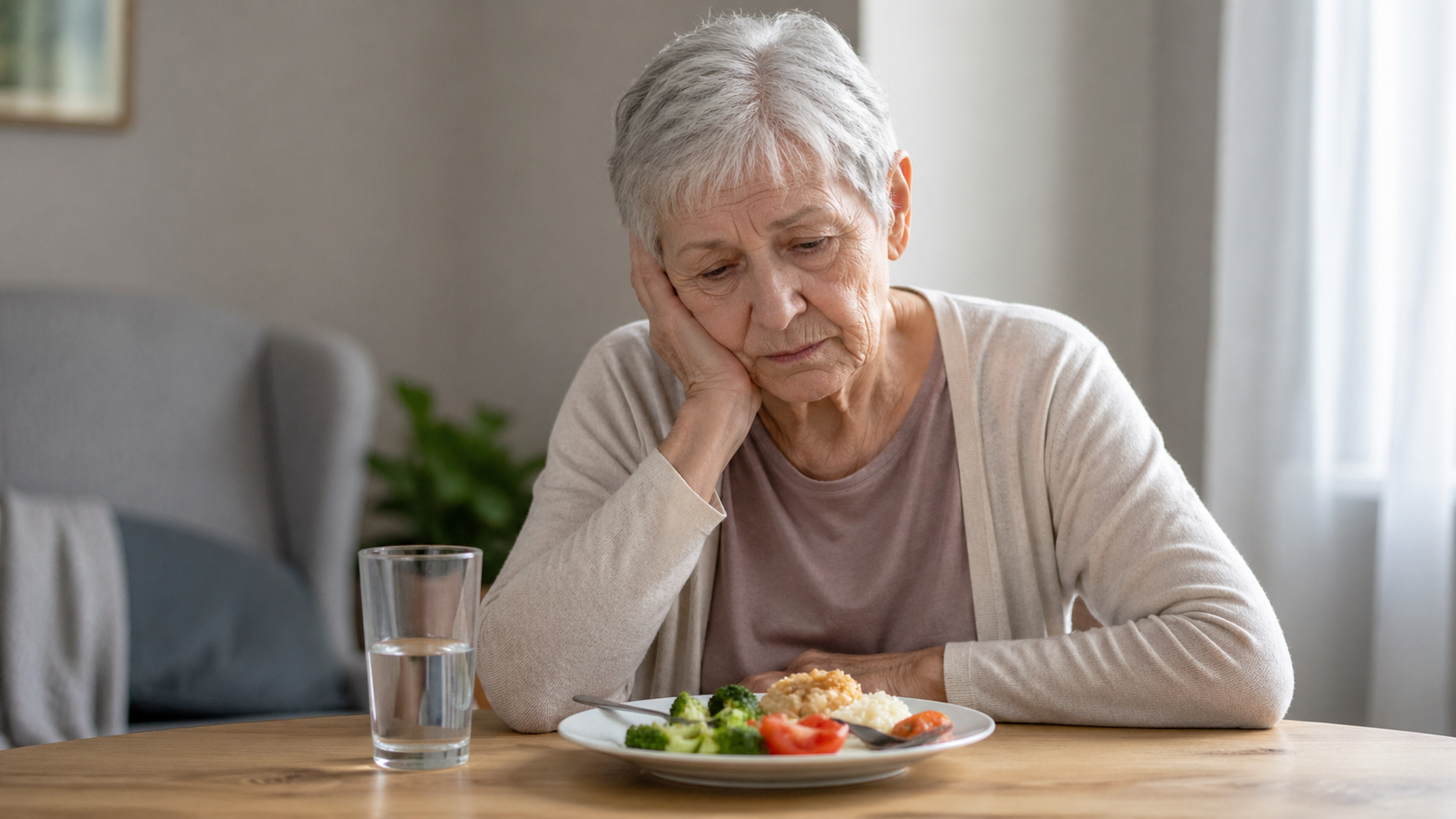
As people age, their bodies often become more vulnerable to health complications that can develop gradually and go unnoticed. Among the most serious concerns are malnutrition and dehydration, both of which can lead to severe physical and cognitive decline if not identified and treated promptly. Knowing the signs and symptoms of malnutrition and dehydration is critical for family members, caregivers, and anyone responsible for the well-being of an older adult.
In nursing homes, assisted living facilities, and other long-term care settings, the signs and symptoms of dehydration and malnutrition in the elderly can sometimes point to more than a medical issue. In some cases, they may be warning signs of neglect or elder abuse. When staff fail to provide adequate food, water, supervision, or medical attention, older adults can suffer devastating harm. This article explains what to look for, why these conditions are so dangerous, and when legal action may be appropriate.
Why Older Adults Are at Greater Risk to Malnutrition and Dehydration
Older adults face a higher risk of malnutrition and dehydration for many reasons. Aging can reduce appetite, weaken thirst signals, and make chewing, swallowing, or digesting food more difficult. Chronic illnesses, mobility limitations, medication side effects, and cognitive conditions such as dementia can also interfere with regular eating and drinking.
In a properly managed care setting, these risks should be monitored and addressed. Staff should pay close attention to nutritional intake, hydration levels, weight changes, and overall health. When they do not, the signs and symptoms of malnutrition and dehydration may worsen quickly and place the resident in serious danger.
Common Signs and Symptoms of Malnutrition and Dehydration
Recognizing the early warning signs can make a major difference. While these conditions can overlap, each has its own indicators that loved ones and caregivers should watch closely.

Signs and Symptoms of Malnutrition in Older Adults
Malnutrition happens when the body does not receive enough nutrients to function properly. In elderly individuals, this may develop slowly and become more severe over time.
Common signs of malnutrition include:
- Unexplained weight loss
- Loose-fitting clothing or visible muscle loss
- Weakness or unusual fatigue
- Frailty and reduced mobility
- Loss of appetite
- Difficulty chewing or swallowing
- Pale skin or a generally unhealthy appearance
- Frequent illness or slow recovery from infections
- Poor wound healing
- Hair thinning or brittle nails
- Confusion, irritability, or depression
These signs and symptoms of dehydration and malnutrition in the elderly can be especially concerning when they appear without a clear medical explanation or when facility staff fail to address them.
Signs and Symptoms of Dehydration in Older Adults
Dehydration occurs when a person loses more fluids than they take in. In seniors, even mild dehydration can become dangerous very quickly.
Common signs of dehydration include:
- Dry mouth or cracked lips
- Dark yellow urine or reduced urination
- Dizziness or lightheadedness
- Sunken eyes
- Headaches
- Confusion or sudden mental decline
- Rapid heartbeat
- Low blood pressure
- Constipation
- Dry skin with poor elasticity
- Weakness or lethargy
- Increased risk of falls
The signs and symptoms of malnutrition and dehydration often overlap, especially in frail elderly residents. A person who is not eating enough may also not be drinking enough, which can compound the problem and lead to hospitalization or worse.
Physical and Behavioral Changes That Should Never Be Ignored
Family members often notice subtle warning signs before a formal diagnosis is made. When visiting an older loved one in a nursing home or assisted living facility, it is important to look beyond chart notes and staff assurances.
Be alert for changes such as:
- Sudden confusion or disorientation
- Inability to stay awake or respond normally
- Rapid physical decline over a short period
- Repeated falls or collapse
- Severe weight loss
- Very little urine output
- Trouble swallowing food or fluids
- Pressure sores, bedsores, or worsening wounds
- Signs of infection paired with weakness or poor intake
- Hospitalization for preventable complications related to poor care
These warning signs may suggest more than an underlying health condition. They can also indicate that the facility is failing to provide proper care.
How Malnutrition and Dehydration May Indicate Elder Abuse or Neglect
In nursing home and assisted living settings, residents depend on staff for their most basic needs. They may need help with eating, drinking, toileting, medication management, and communication with medical providers. When facilities are understaffed, poorly managed, or careless, vulnerable residents can suffer preventable harm.
The signs and symptoms of dehydration and malnutrition in the elderly are often associated with nursing home neglect because these conditions may result from:
- Failure to provide adequate meals or water
- Ignoring dietary restrictions or medical nutrition needs
- Not assisting residents who cannot feed themselves
- Failing to monitor food and fluid intake
- Delayed medical care after symptoms appear
- Poor staffing levels or inadequate caregiver training
- Ignoring obvious weight loss, weakness, or mental decline
In some cases, residents may become dehydrated or malnourished because no one is checking on them regularly. In others, staff may intentionally disregard complaints or fail to document worsening symptoms. Either way, preventable malnutrition and dehydration can be powerful indicators of abuse or neglect in long-term care environments.

Why Prompt Action Matters
Malnutrition and dehydration can cause severe complications in older adults, including kidney issues, infections, pressure ulcers, falls, hospitalization, and even death. The longer the problem continues, the greater the risk of lasting harm.
That is why families should act quickly when they notice the signs and symptoms of malnutrition and dehydration. Ask questions, document your concerns, take photographs if appropriate, request medical evaluations, and pay attention to whether the facility gives clear and consistent answers. When staff cannot explain why a resident is deteriorating, that may be a sign that deeper neglect is occurring.
What Families Can Do if They Suspect Neglect
If you believe a loved one is showing the signs and symptoms of dehydration and malnutrition in the elderly, there are several important steps you can take:
- Seek immediate medical attention if the condition appears serious
- Document visible symptoms, dates, and conversations with staff
- Request care records and dietary or hydration logs
- Report concerns to facility administrators
- Consider filing a complaint with the appropriate state agency
- Speak with an experienced elder abuse attorney about your legal options
Taking action not only helps protect your loved one, but may also help prevent similar harm to other residents.
Peck Law Corporation: Experienced Elder Abuse and Nursing Home Abuse Lawyers in Southern California
At Peck Law Corporation, we understand how heartbreaking it is to discover that an elderly loved one may have suffered harm in a nursing home or assisted living facility. Families trust these facilities to provide attentive, compassionate care, but when that trust is broken, the consequences can be devastating. Our firm is committed to helping victims and families pursue justice when neglect, abuse, malnutrition, dehydration, falls, bedsores, or other forms of mistreatment occur.
Based in Simi Valley, Peck Law Corporation proudly serves clients throughout Southern California. We are experienced elder abuse and nursing home abuse lawyers who know how to investigate care facility failures and hold negligent parties accountable. For all injury-related cases, we work on a contingency fee basis, which means you do not pay attorney fees unless we recover compensation on your behalf. Our goal is to help families move forward with trusted legal guidance and strong advocacy during a difficult time.

Contact Peck Law Corporation for a Legal Free Consultation
If you have noticed the signs and symptoms of malnutrition and dehydration or the signs and symptoms of dehydration and malnutrition in the elderly in a loved one living in a nursing home or assisted living facility, do not ignore those warning signs. What may appear to be a health decline could actually be evidence of serious neglect or abuse.
Contact Peck Law Corporation today for a free legal consultation. Our team is here to listen, evaluate your situation, and help you understand your options. If your loved one has been harmed by nursing home neglect or elder abuse anywhere in Southern California, reach out to our Simi Valley office to discuss your case.
Frequently Asked Questions
How can I tell if an elderly loved one is not getting enough food or water in a nursing home?
Warning signs may include sudden weight loss, dry lips, poor hygiene, weakness, confusion, untouched food trays, and a lack of water within reach. If staff members cannot clearly explain these issues or the resident’s condition continues to worsen, neglect may be involved.
Why are seniors more likely to become dehydrated or malnourished?
Seniors are more vulnerable because aging can reduce appetite, dull the sense of thirst, and make it harder to chew, swallow, or prepare meals. Medical conditions, medications, mobility issues, and cognitive decline can also make it difficult for older adults to eat and drink enough each day.
What causes malnutrition in nursing home residents?
Malnutrition in nursing home residents can be caused by inadequate meal planning, failure to assist with feeding, poor monitoring, or ignoring a resident’s medical and dietary needs. Understaffing and poor training can also contribute to residents not receiving the nutrition they need.
What causes dehydration in elderly nursing home residents?
Dehydration can occur when staff do not provide enough water, fail to encourage fluid intake, or ignore signs that a resident needs help drinking. It may also result from medical neglect when symptoms such as vomiting, diarrhea, fever, or reduced urination are not addressed in time.
%20(1).avif)