Latest News & Insights

Elder abuse can take many forms, and it is not always immediately obvious when an older adult is being mistreated. While some forms of abuse may result in visible injuries, others can involve neglect, intimidation, isolation, exploitation, or failures to provide basic care. Understanding the different types of abuse in the elderly can help family members recognize concerning changes and take action when something does not seem right.

Understanding how to prove wrongful death requires looking beyond the death itself. A wrongful death case generally requires evidence connecting negligent or wrongful conduct to the resident’s death, along with evidence of the losses suffered by surviving family members. Because nursing home cases can involve extensive medical records, facility documentation, multiple caregivers, and complicated health conditions, establishing that connection may require a detailed investigation.

When families place an aging loved one in a nursing home, they expect the facility to provide a safe environment where residents are protected from preventable harm. Unfortunately, abuse in a long-term care setting does not always involve a staff member. Resident-on-resident abuse can occur when one nursing home resident physically, verbally, emotionally, or sexually harms another resident.
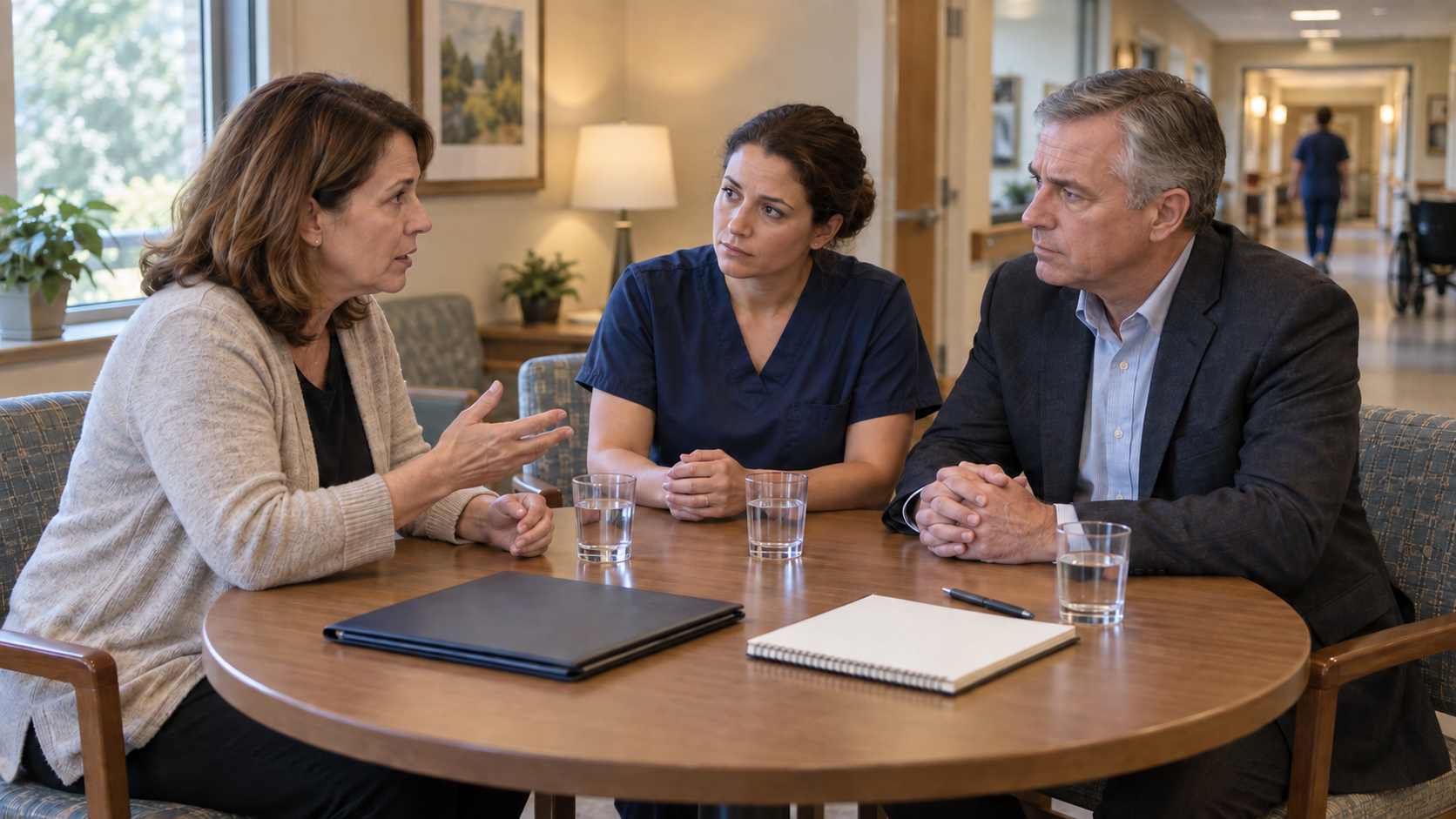
When you suspect that an elderly loved one has been abused or neglected in a nursing home, knowing what to ask facility staff can help you better understand what happened and whether the resident remains at risk. This guide reviews key questions to ask about nursing home care after suspected abuse or neglect and explains what families can do if the answers raise additional concerns.
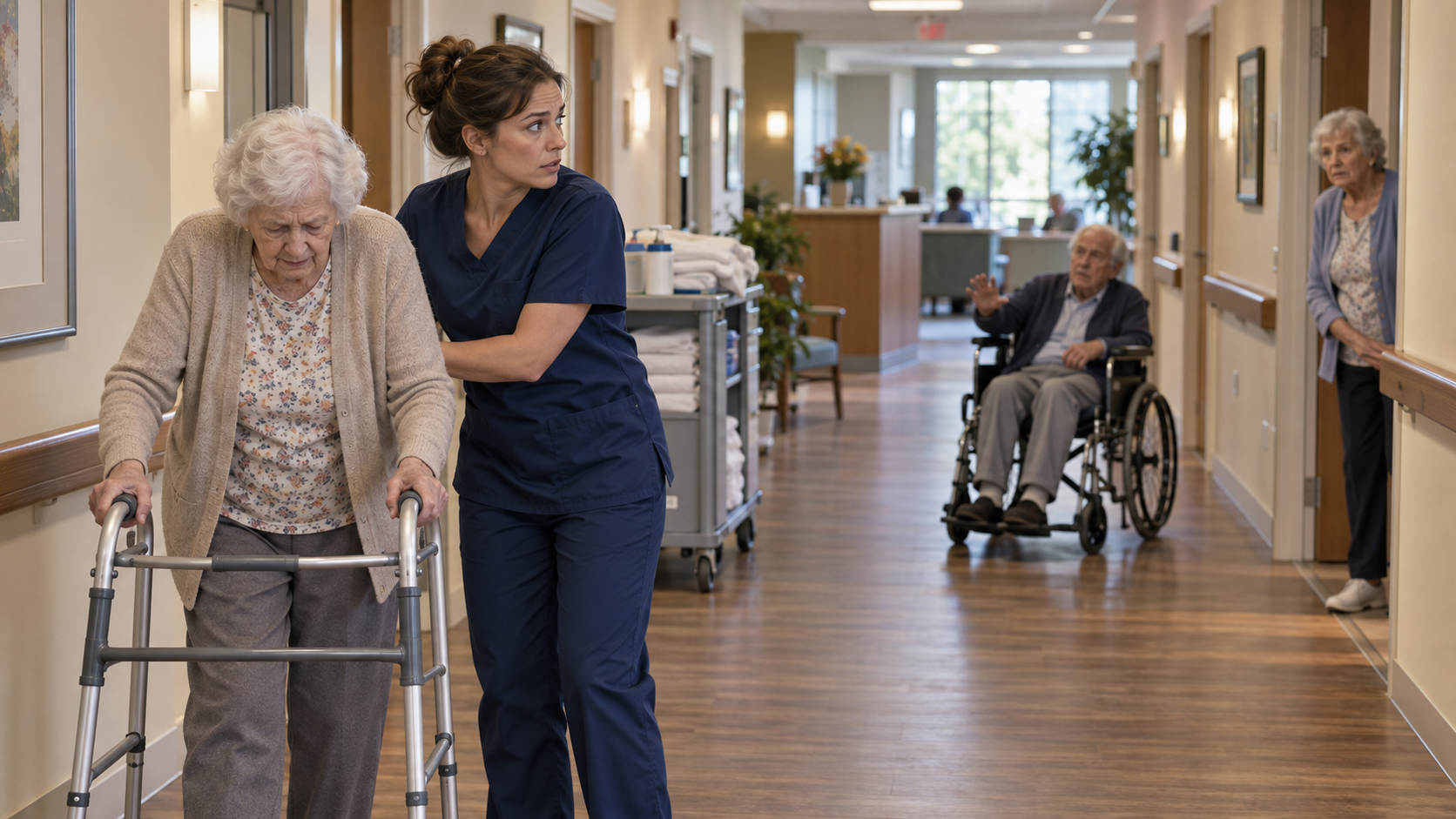
Understaffing in nursing homes is particularly concerning because many residents cannot independently protect themselves or communicate when something is wrong. A resident may depend on staff for everything from getting out of bed and using the bathroom to eating, taking medication, repositioning, and recognizing a medical emergency. Understanding how insufficient staffing can contribute to nursing home neglect can help families identify warning signs and take action when a loved one's health or safety is being compromised.
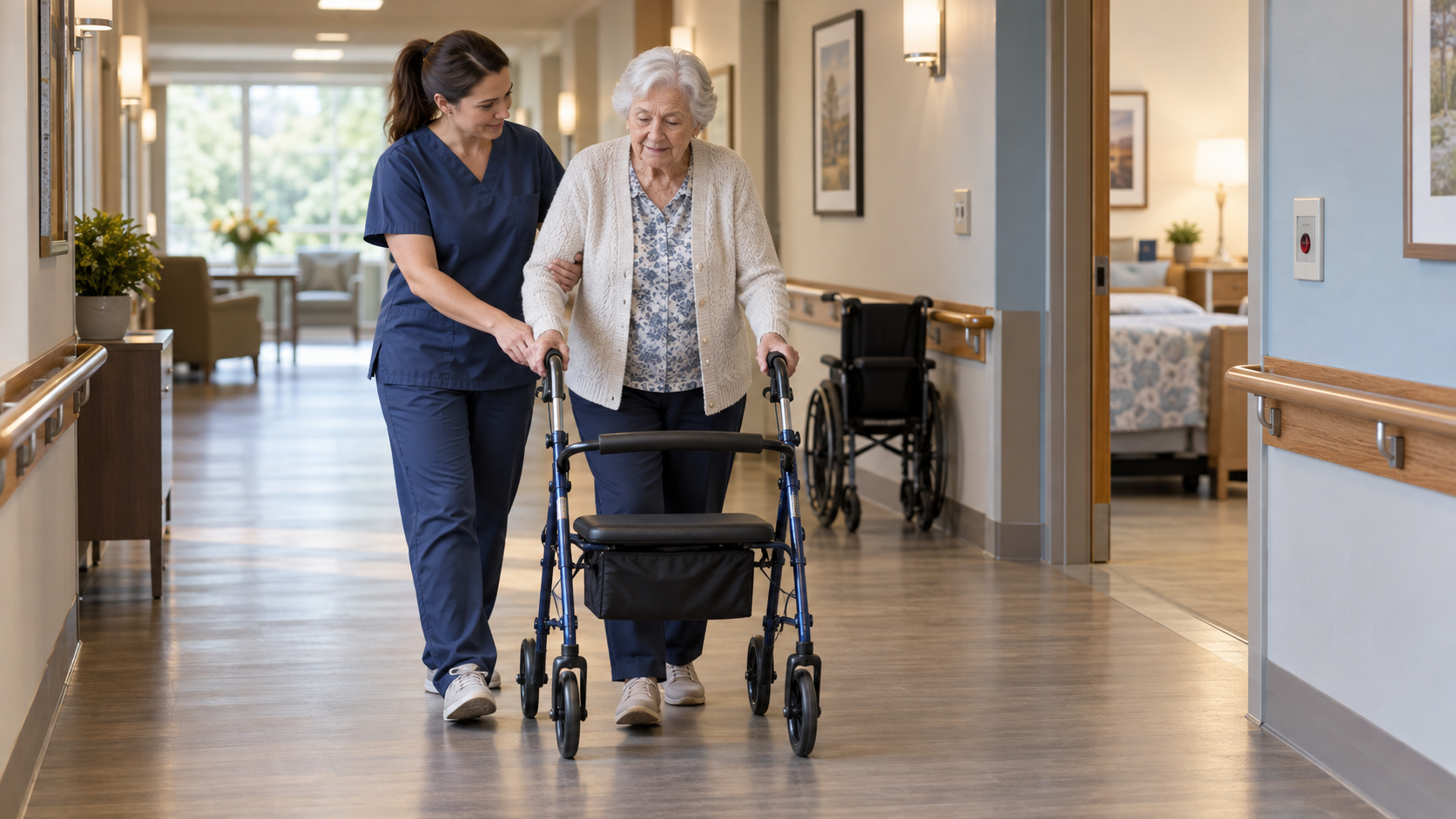
When a resident is seriously injured, families may understandably wonder whether the accident was unavoidable or whether poor care contributed to what happened. In certain circumstances, you may be able to sue a nursing home for a fall if the facility's negligence, neglect, or failure to meet its responsibilities caused or contributed to the resident's injuries.
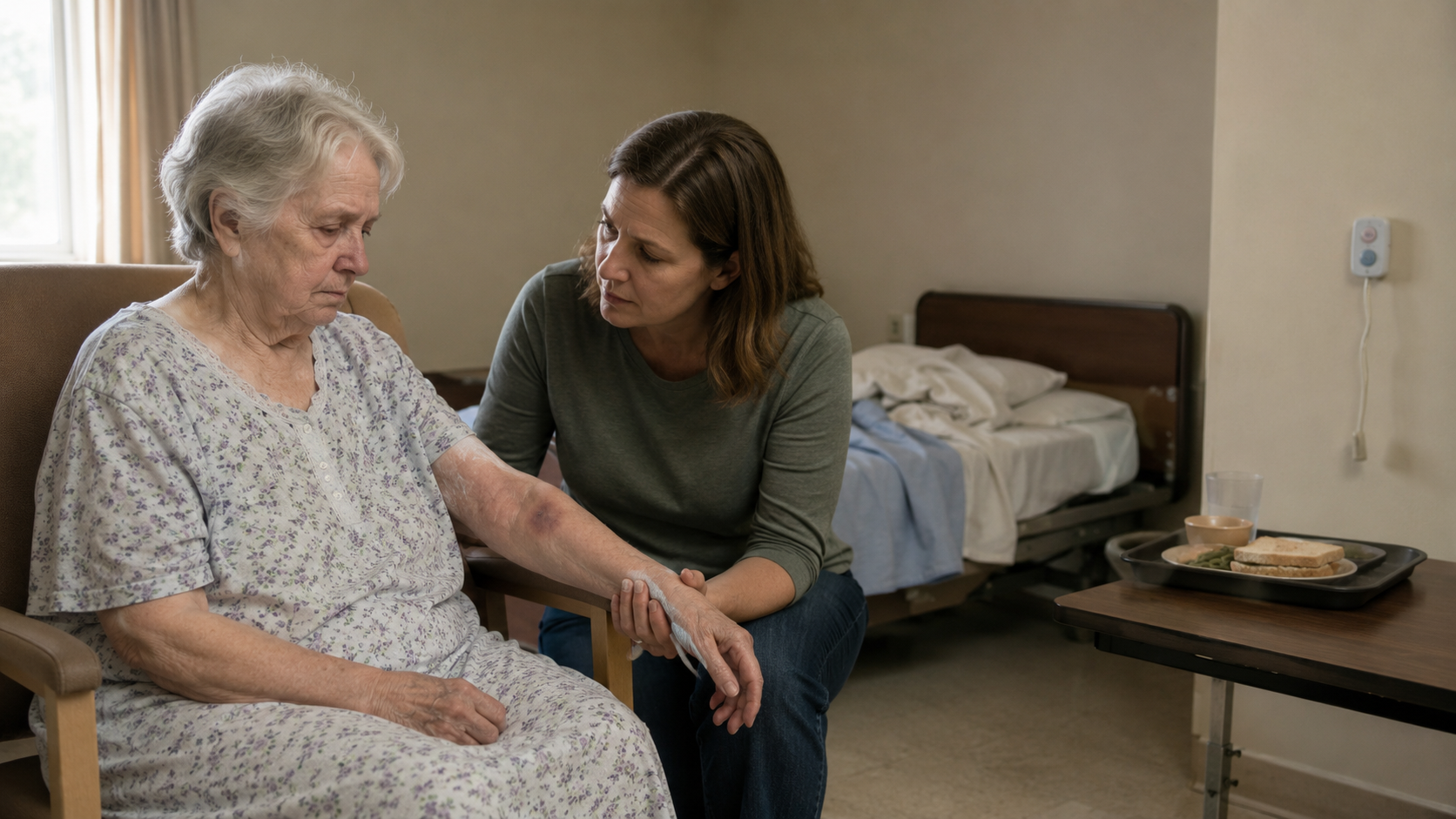
Recognizing examples of nursing home abuse can help families identify troubling changes before a resident suffers additional harm. Abuse does not always involve an obvious physical assault. It may involve intimidation, improper restraint, sexual misconduct, isolation, or deliberate mistreatment. Neglect can be equally dangerous when residents do not receive adequate supervision, hygiene assistance, nutrition, medication, mobility support, or medical attention.
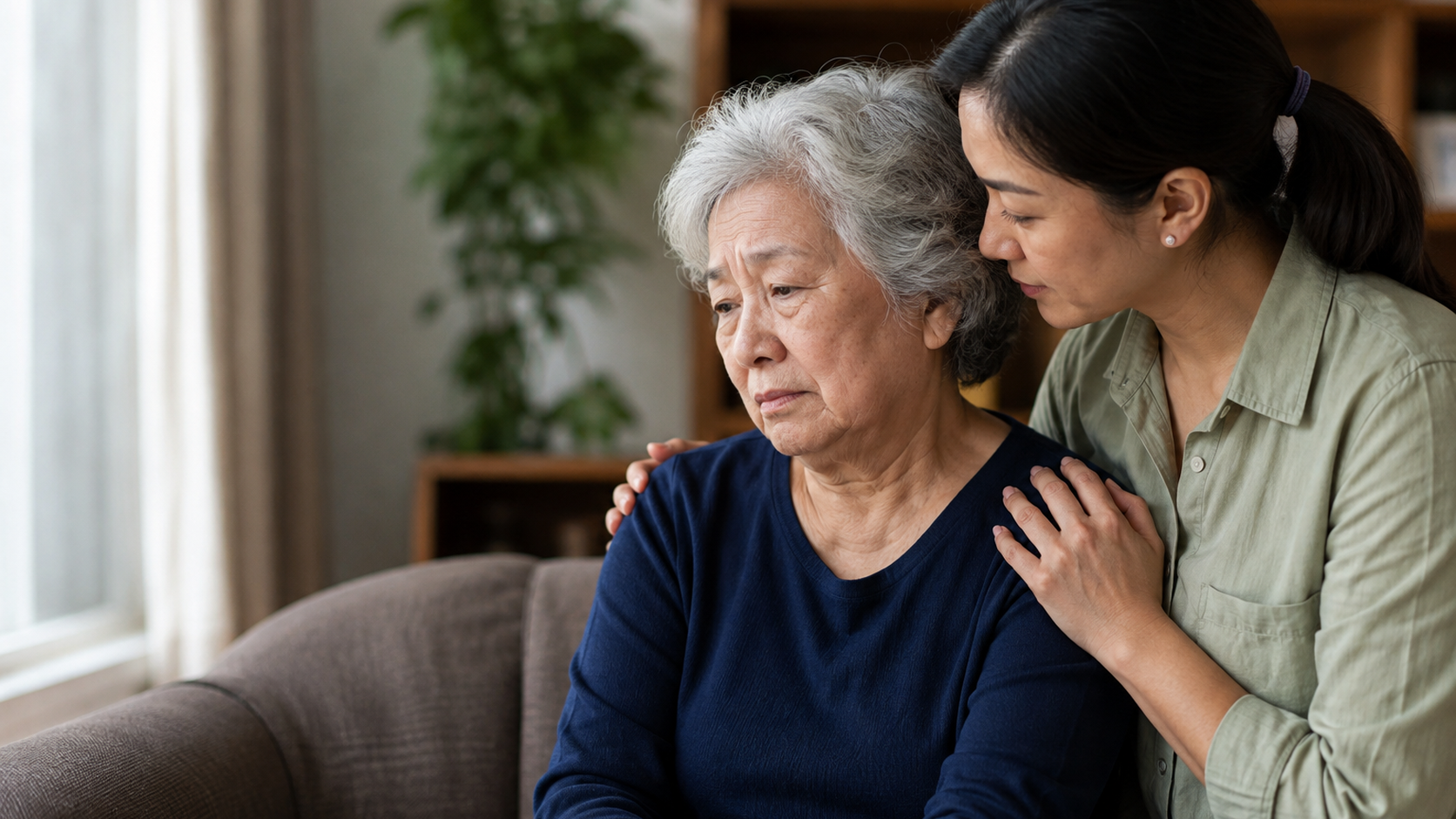
Discovering or suspecting that an older family member is being abused can leave you unsure of what to do next. Whether the mistreatment is happening at home, in an assisted living community, or in a nursing home, knowing where to report abuse of elderly adults in California can help you act quickly to protect someone who may not be able to protect themselves.
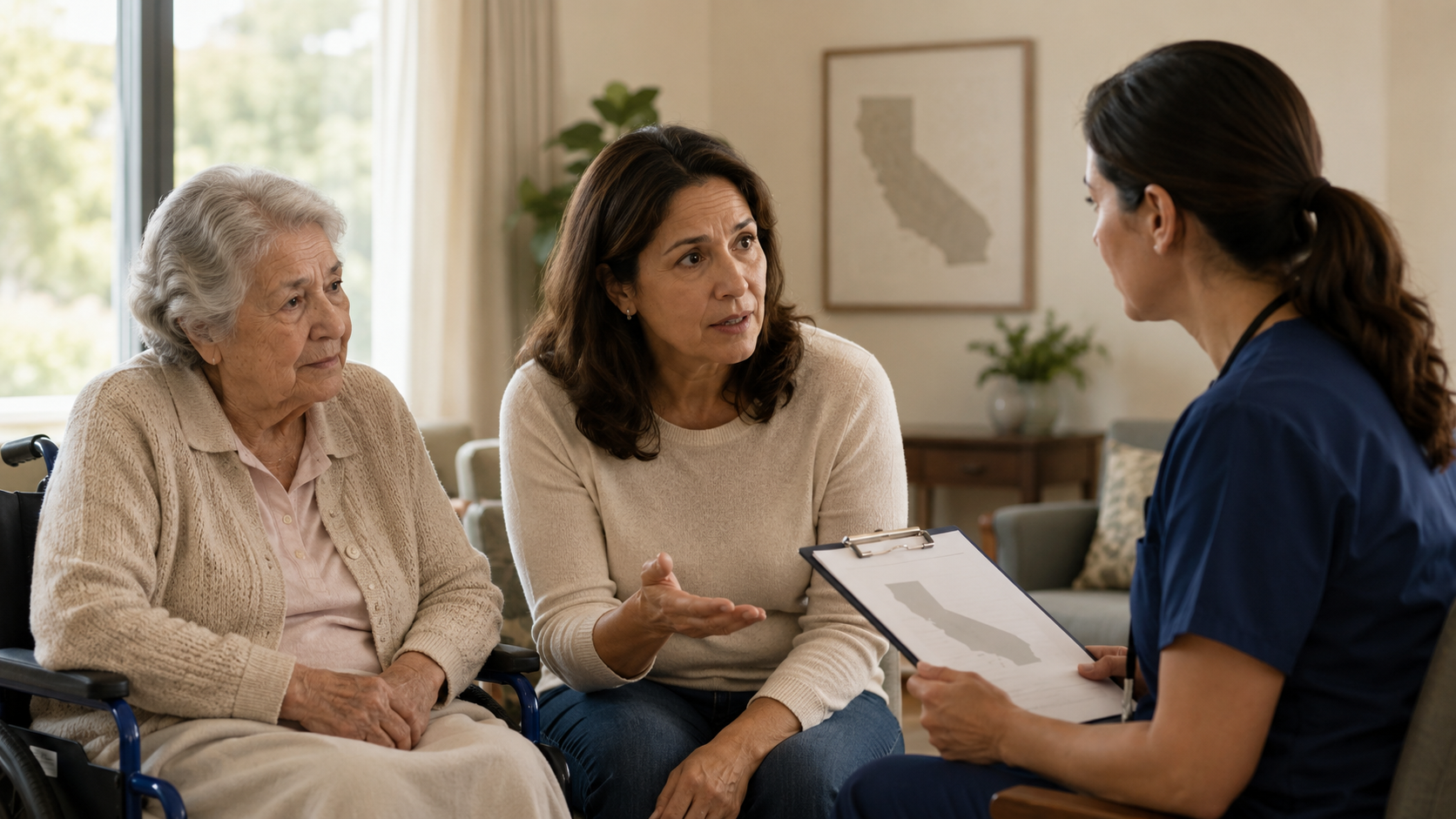
When an older adult lives in a nursing home, family members depend on the facility and its staff to provide safe, respectful, and appropriate care. Unfortunately, abuse and neglect can still occur. Knowing California’s nursing home abuse reporting requirements can help families recognize when action is necessary, understand who must make a report, and determine where suspected mistreatment should be reported.
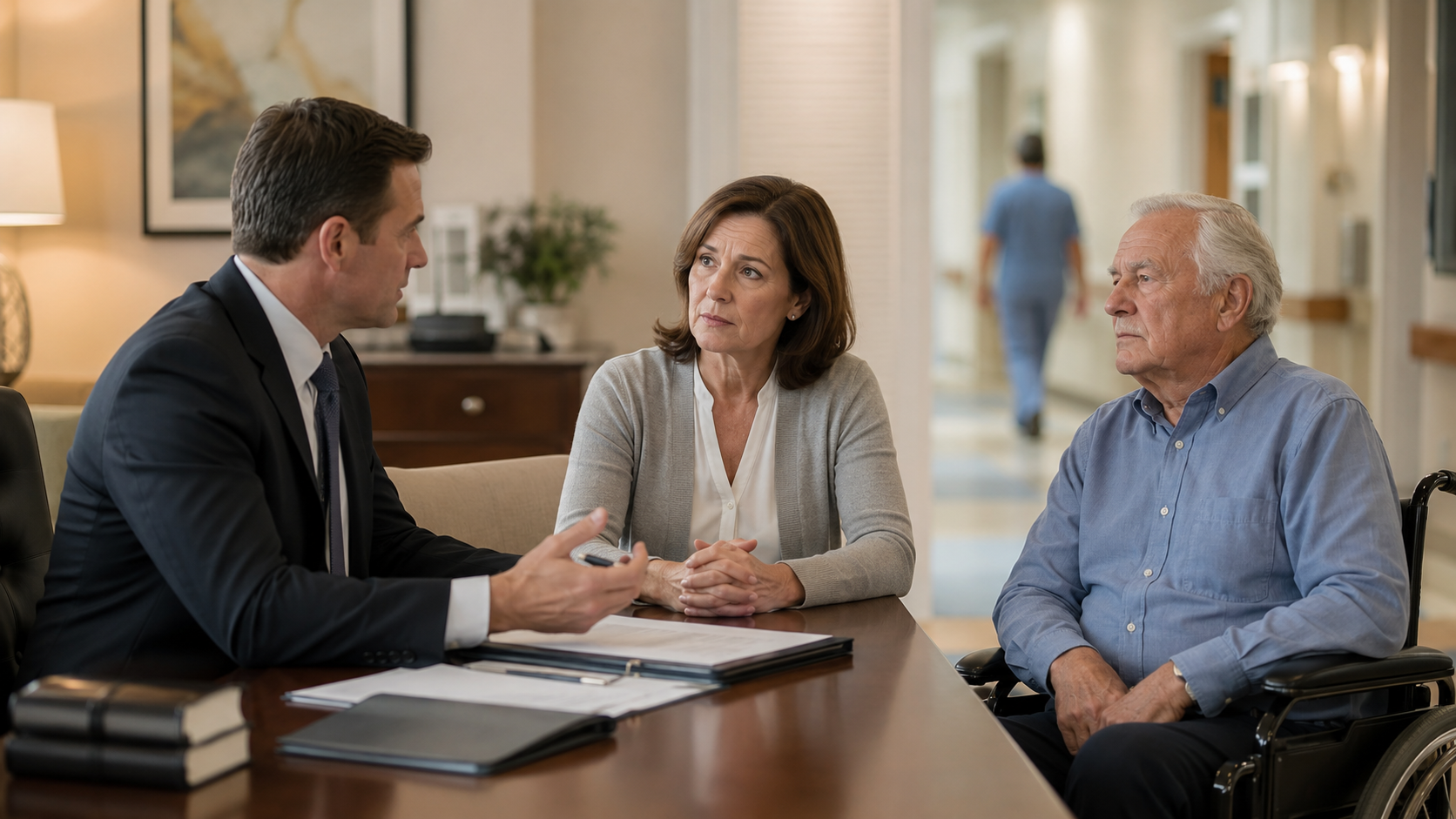
When a facility’s negligence causes harm, the resident or their family may have the right to pursue legal action. Understanding how to sue a nursing home requires more than identifying poor care. A successful claim generally requires evidence that the facility owed the resident a duty, failed to provide legally acceptable care, and caused measurable harm as a result.
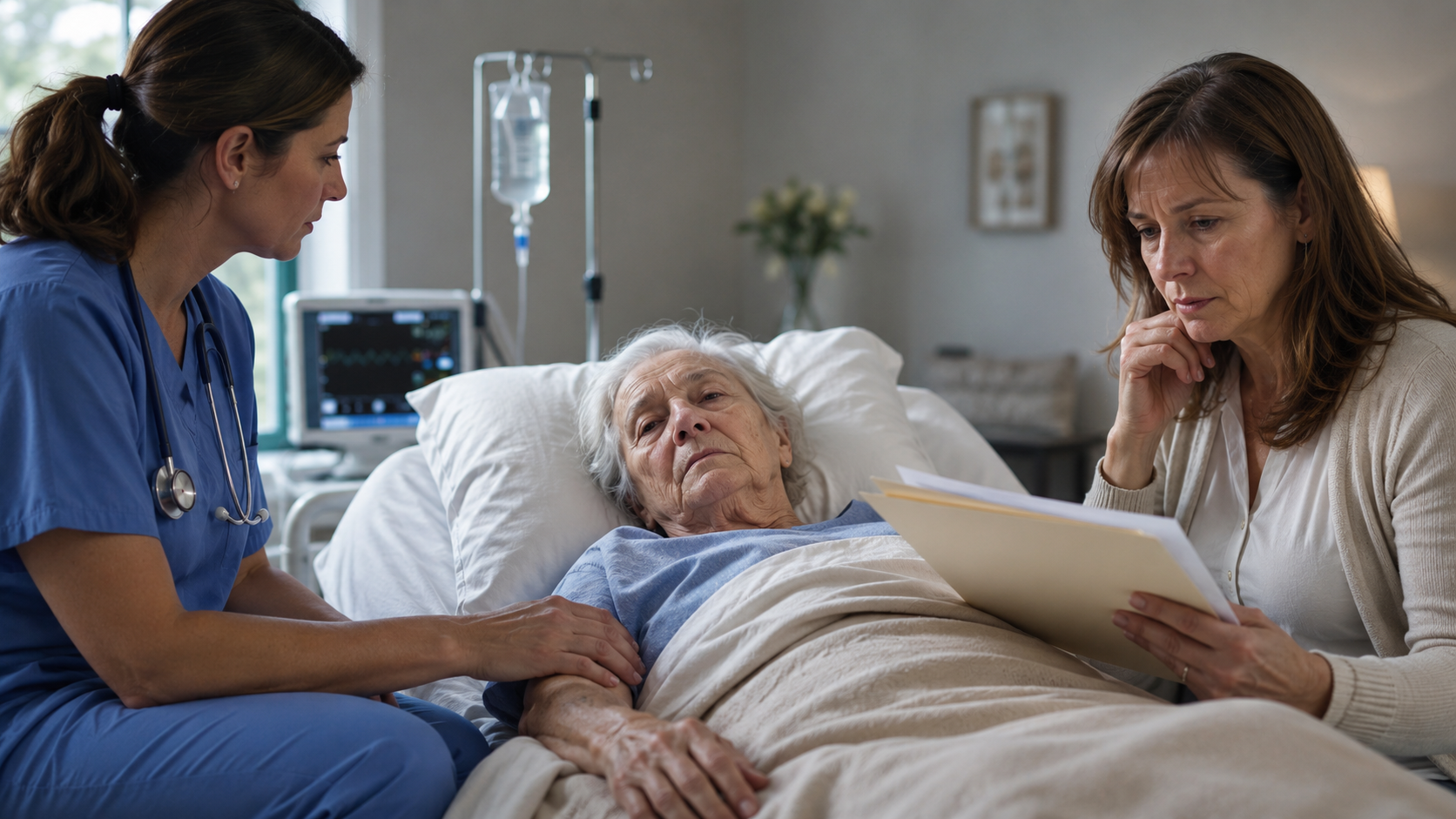
Understanding how sepsis in nursing homes develops can help families recognize dangerous changes and advocate for immediate medical attention. Families should also know the signs of sepsis in elderly residents and consider seeking legal guidance when delayed treatment, inadequate monitoring, poor hygiene, or other forms of neglect may have contributed to a serious injury or death.
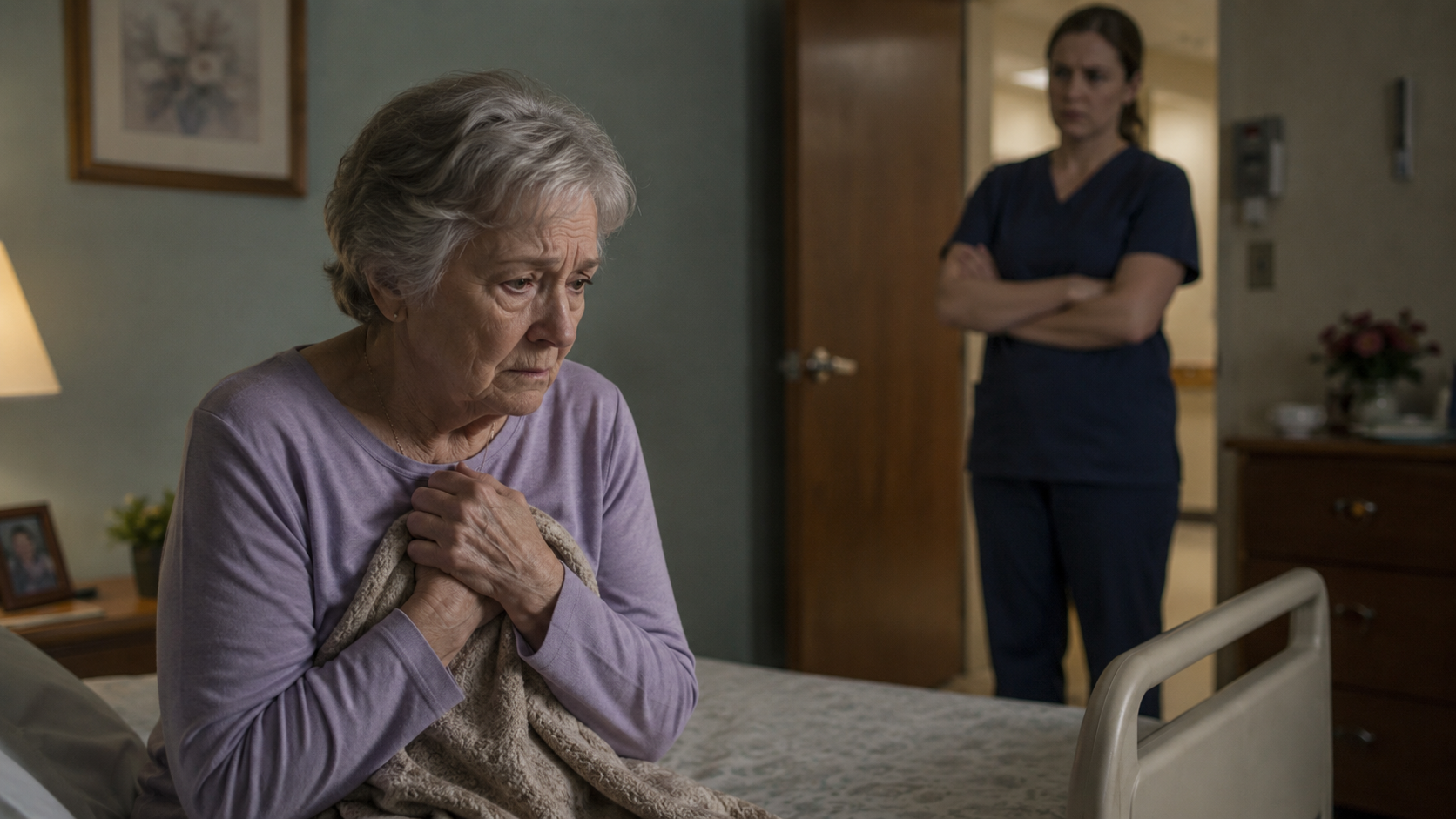
Psychological abuse can be difficult to detect because it often leaves no visible injuries. In nursing homes, harmful words, threats, humiliation, intimidation, and isolation may take place behind closed doors or be dismissed as personality conflicts. However, psychological abuse in elderly residents can cause serious emotional distress and may significantly affect their health, dignity, and quality of life.


Start Your Free Case Evaluation
With Peck Law Corp, we know what it takes to win a case and get you the settlement you deserve. Our clients enjoy working with us because they know we are efficient and offer expert-level representation.
- Completely risk-free consultation
- Fully personalized support
- No-Win, No-Fee