.avif)
Elder abuse can take many forms, and it is not always immediately obvious when an older adult is being mistreated. While some forms of abuse may result in visible injuries, others can involve neglect, intimidation, isolation, exploitation, or failures to provide basic care. Understanding the different types of abuse in the elderly can help family members recognize concerning changes and take action when something does not seem right.
Abuse may occur in an older adult's own home, an assisted living community, a nursing home, or another care setting. It can also be committed by caregivers, facility employees, family members, acquaintances, or other individuals with access to a vulnerable person. California Adult Protective Services recognizes multiple categories of elder and dependent adult abuse, including physical and sexual abuse, neglect, abandonment, isolation, financial abuse, mental suffering, abduction, and self-neglect.
Recognizing the common examples and warning signs associated with the types of abuse in the elderly may make it easier to identify potentially dangerous situations before additional harm occurs.
1. Physical Abuse of an Elderly Person

What it involves: Physical elder abuse generally involves the intentional or inappropriate use of physical force that causes pain, injury, impairment, or other bodily harm. It can range from obvious acts of violence to improper restraint or inappropriate medication practices.
Common examples may include:
- Hitting, slapping, kicking, pushing, or shoving
- Pinching, scratching, or grabbing
- Burning or otherwise intentionally causing injury
- Using physical restraints improperly
- Unnecessarily confining a resident
- Improperly overmedicating or undermedicating someone
- Handling an older person roughly during transfers or personal care
California Adult Protective Services specifically identifies behaviors such as hitting, kicking, burning, dragging, and over- or undermedicating as examples of physical abuse.
Warning signs may include:
- Unexplained bruises, cuts, burns, or welts
- Fractures, sprains, or dislocations without a reasonable explanation
- Repeated injuries or emergency room visits
- Marks that could indicate inappropriate restraints
- Flinching, fearfulness, or anxiety around particular caregivers
- Conflicting explanations about how an injury occurred
An injury does not automatically establish abuse. However, repeated unexplained injuries or explanations that do not appear consistent with the nature of the injury deserve careful attention.
2. Sexual Abuse of an Elderly Person
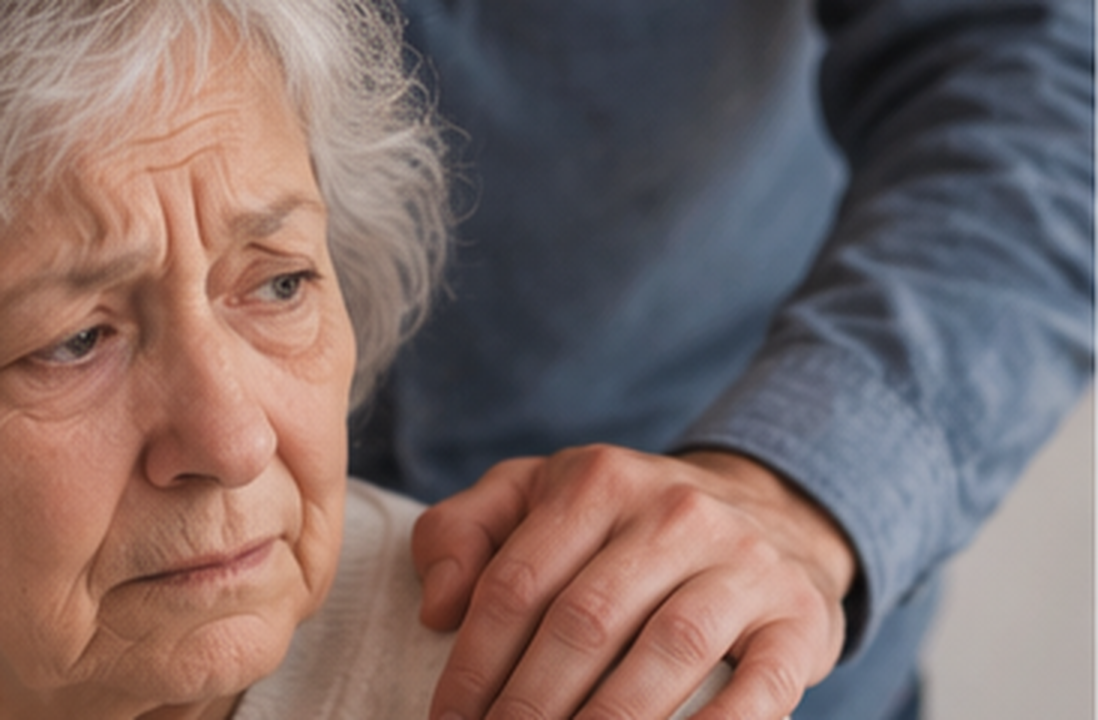
What it involves: Sexual elder abuse involves unwanted sexual contact, sexual activity without valid consent, sexual exploitation, or forcing an elderly individual to participate in or observe sexual conduct. Older adults with dementia, cognitive impairment, communication difficulties, or significant physical disabilities may be particularly vulnerable.
Common examples may include:
- Unwanted touching or sexual contact
- Sexual assault or battery
- Forcing an individual to undress
- Taking sexual photographs without consent
- Sexual exploitation
- Forcing someone to view sexually explicit material
- Sexual activity involving a person who cannot legally or meaningfully consent
California Adult Protective Services includes unwanted sexual contact, sexual exploitation, and forced viewing of pornography among examples of sexual abuse.
Warning signs may include:
- Unexplained bruising around sensitive areas
- Torn, stained, or bloody clothing
- Unexplained sexually transmitted infections
- Pain, bleeding, or injuries involving genital areas
- Sudden fear around a particular individual
- Withdrawal, anxiety, agitation, or other abrupt behavioral changes
Because some victims may be unable or afraid to report what occurred, families should take unexplained physical and behavioral changes seriously.
3. Emotional or Psychological Elder Abuse
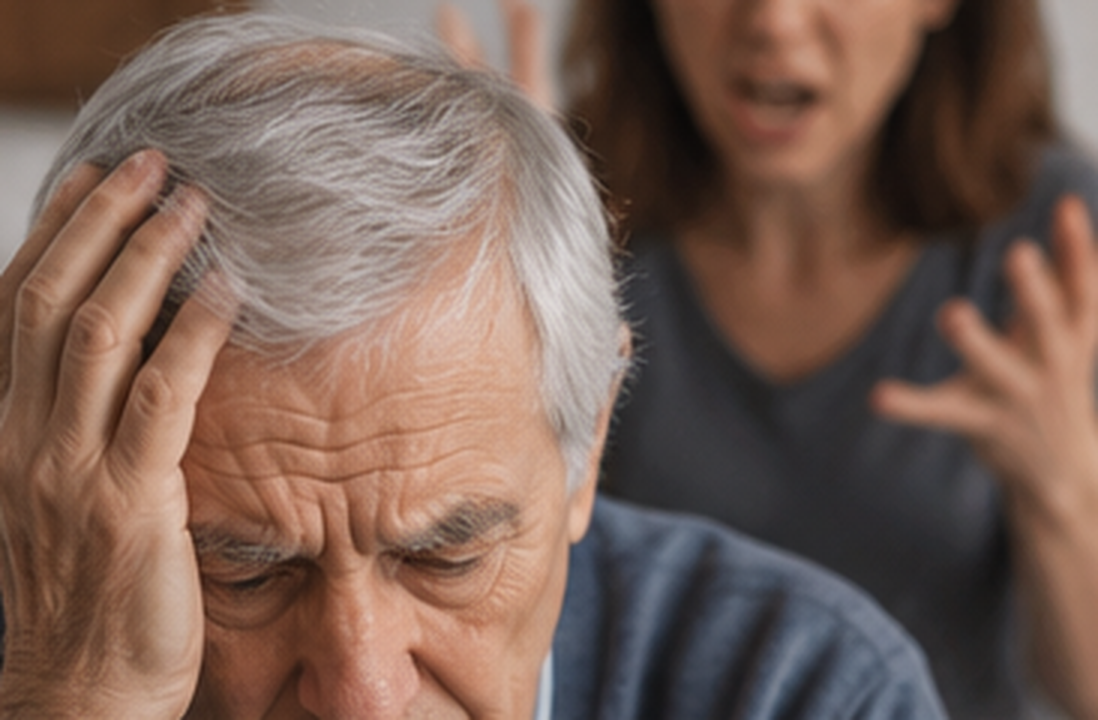
What it involves: Emotional or psychological abuse occurs when someone uses words, threats, humiliation, intimidation, manipulation, or other behavior to cause an elderly individual fear or mental suffering. Unlike many forms of physical abuse, psychological mistreatment may leave no visible injuries.
Common examples may include:
- Yelling, insulting, or belittling an elderly person
- Threatening physical harm
- Humiliating or ridiculing a resident
- Intimidating an individual into compliance
- Treating an older adult like a child
- Threatening to withhold care or necessities
- Deliberately frightening or manipulating someone
California Adult Protective Services describes mental suffering as conduct that can include verbal assaults, threats, and causing fear.
Warning signs may include:
- Sudden withdrawal or depression
- Unusual fearfulness or nervousness
- Reluctance to speak around a caregiver
- Changes in sleeping or eating habits
- Increased agitation or emotional distress
- Rocking, mumbling, or other unusual coping behaviors
- A sudden change in personality or social interaction
Psychological abuse may develop gradually, making changes in an older person's behavior especially important for family members to monitor.
4. Elder Neglect
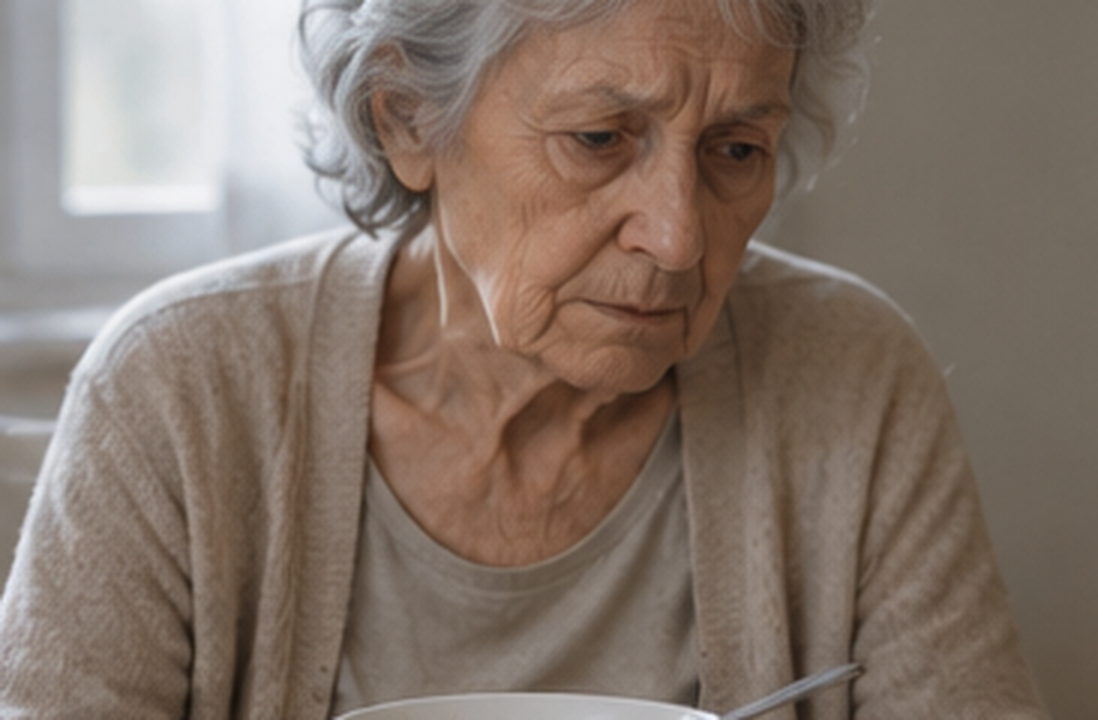
What it involves: Neglect occurs when a caregiver or facility responsible for an elderly person's wellbeing fails to provide necessary care. Unlike intentional physical abuse, neglect often involves harmful omissions rather than direct acts of violence.
Common examples may include:
- Failing to provide adequate food or water
- Failing to maintain proper hygiene
- Leaving soiled clothing or bedding unchanged
- Failing to administer necessary medications
- Ignoring medical symptoms or injuries
- Failing to reposition residents who are at risk for pressure injuries
- Providing inadequate supervision
- Leaving dangerous environmental conditions uncorrected
California Adult Protective Services describes neglect as failing to provide necessary food, clothing, shelter, or health care when the responsible individual has the means to do so.
Warning signs may include:
- Dehydration or malnutrition
- Poor personal hygiene
- Bedsores or pressure injuries
- Untreated infections or injuries
- Significant unexplained weight loss
- Dirty clothing, bedding, or living areas
- Frequent falls or preventable accidents
- Missed medications or medical appointments
In nursing homes and assisted living facilities, repeated failures involving supervision, nutrition, hygiene, medication, or medical attention may indicate broader problems with the care being provided.
5. Abandonment of an Elderly Person

What it involves: Elder abandonment generally occurs when someone who has assumed responsibility for an elderly individual's care deserts or willfully leaves that person without necessary support. It can occur in homes, hospitals, public locations, or residential care environments.
Common examples may include:
- Leaving a dependent older adult alone without arranging care
- Deserting an elderly person at a hospital or public location
- Moving away while leaving a dependent family member without assistance
- Failing to return for someone who requires ongoing care
- A responsible caregiver deliberately ending care without making safe alternative arrangements
California defines abandonment in the elder abuse context as desertion by someone who has assumed responsibility for providing care under circumstances in which a reasonable person would continue providing that care.
Warning signs may include:
- An elderly individual being found alone and confused
- Lack of access to medications, food, or basic necessities
- A caregiver suddenly disappearing
- Missed medical care because no caregiver is available
- An elderly person reporting that they have been left without assistance
- No responsible individual being available despite an established caregiving arrangement
Abandonment can quickly become dangerous when an elderly person depends on others for medication, mobility, meals, hygiene, or medical care.
6. Isolation of an Elderly Person
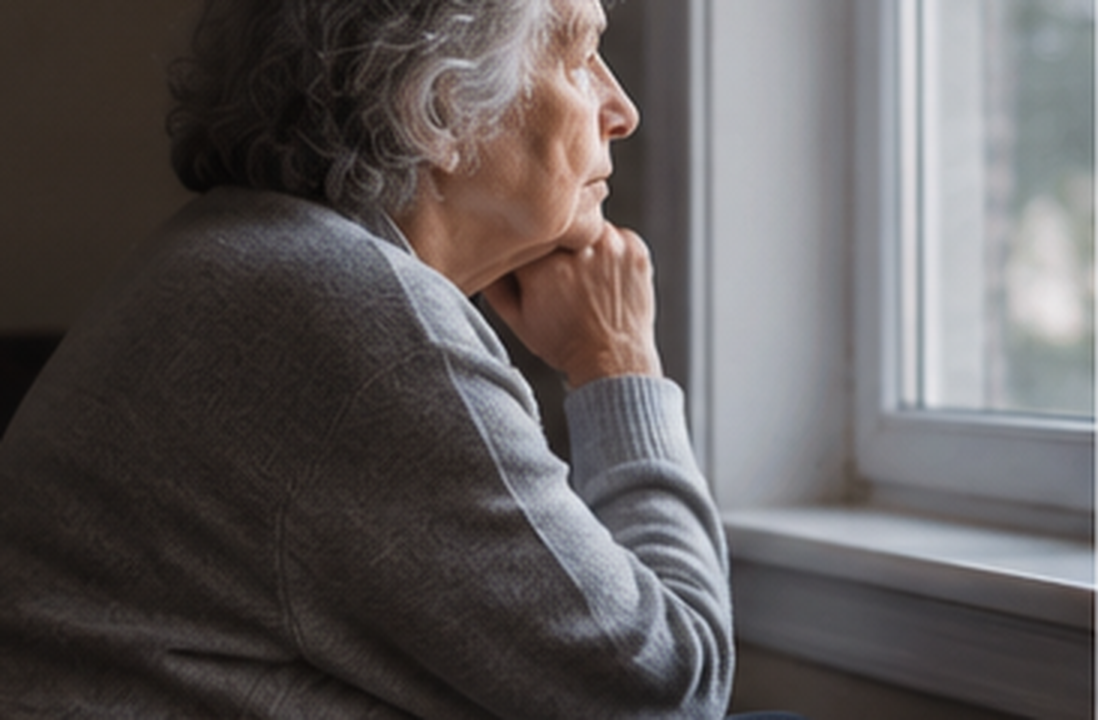
What it involves: Isolation can become a form of elder abuse when someone deliberately prevents an elderly individual from communicating with family members, friends, or other people without a legitimate reason. Isolation may also be used to conceal other forms of mistreatment.
Common examples may include:
- Refusing to allow family members to visit
- Preventing telephone calls
- Withholding mail or messages
- Controlling who an elderly person can speak with
- Keeping a resident confined unnecessarily
- Telling family members that the elder does not want contact when that is untrue
- Monitoring conversations to discourage the elder from speaking openly
California Adult Protective Services specifically identifies preventing someone from receiving mail, telephone calls, or visitors as examples of isolation.
Warning signs may include:
- Sudden difficulty contacting a loved one
- Unexplained restrictions on visitation
- A caregiver insisting on being present during every conversation
- Family messages repeatedly going unanswered
- An older adult appearing afraid to communicate freely
- Sudden withdrawal from normal social activities
Reasonable restrictions may sometimes be necessary for legitimate health or safety reasons, but unusual or unexplained efforts to prevent contact should not simply be ignored.
7. Abduction of an Elderly Person
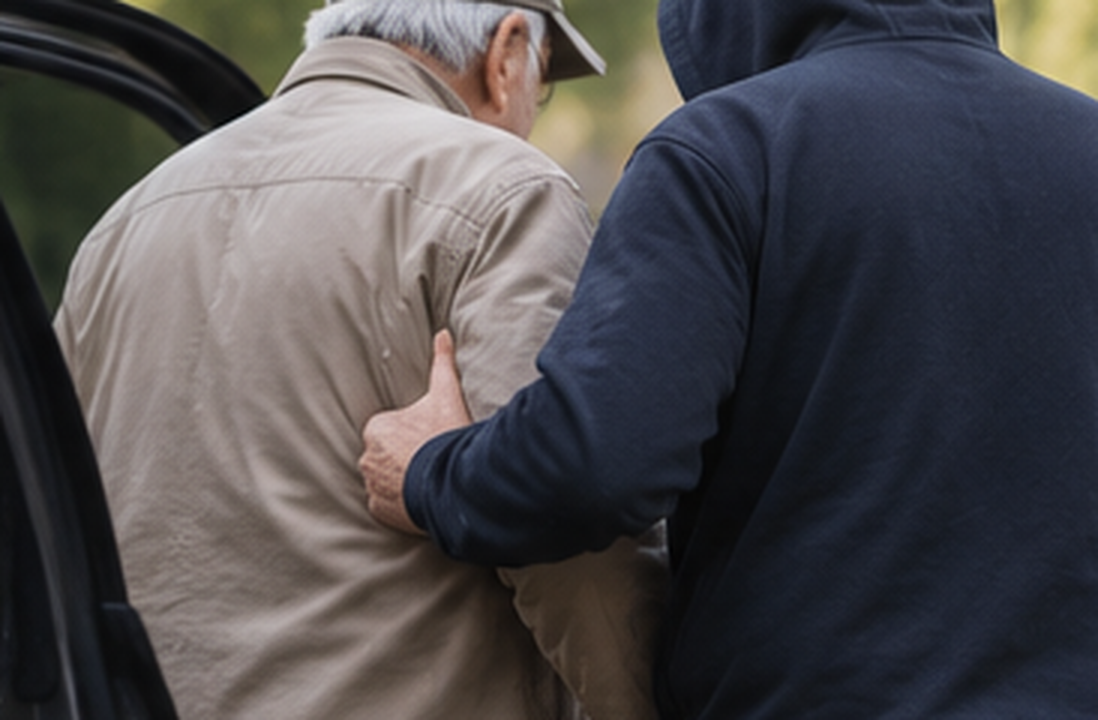
What it involves: Under California elder abuse law, abduction has a more specific meaning than simply moving someone from one location to another. It can involve taking an elder or dependent adult out of California and preventing that individual from returning to the state.
Common examples may include:
- Taking an elderly person out of California against their will
- Preventing an elder from returning to California
- Using manipulation or coercion to move a vulnerable adult out of state
- Restricting transportation or communication after an unauthorized move
- Moving someone to interfere with access to family members or established care
California Adult Protective Services identifies removal from California and restraint from returning to the state as examples of elder or dependent adult abduction.
Warning signs may include:
- A sudden, unexplained relocation
- Family members being unable to determine an elder's location
- Abrupt disruption of established medical care
- An older adult expressing a desire to return home but being prevented from doing so
- A caregiver refusing to provide information about the elder's whereabouts
- Sudden loss of contact following an out-of-state move
Situations involving suspected abduction can raise immediate safety and legal concerns and may require prompt intervention.
8. Financial Elder Abuse
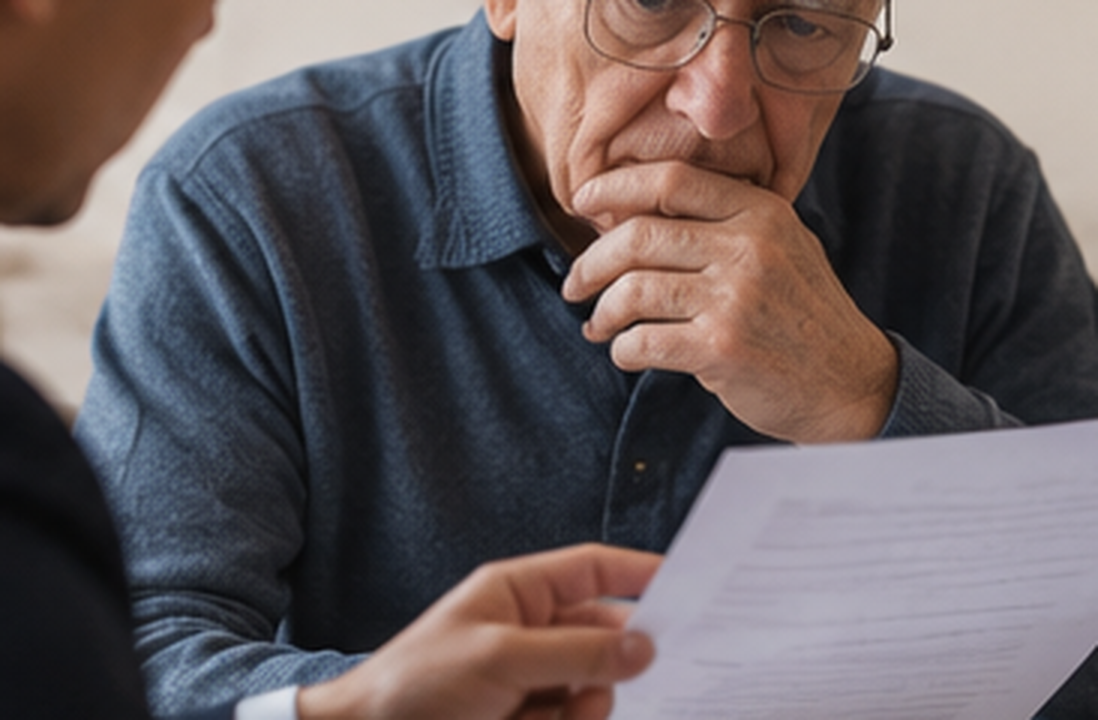
What it involves: Financial abuse involves the improper or unauthorized use of an elderly person's money, property, accounts, identity, or other assets. It can be committed by caregivers, relatives, acquaintances, professionals, or strangers.
Common examples may include:
- Stealing cash or personal property
- Misusing bank accounts or credit cards
- Forging signatures
- Coercing someone to transfer property
- Fraudulently changing financial or legal documents
- Identity theft
- Using an elder's money for someone else's benefit without authorization
California Adult Protective Services lists theft, misuse of funds or property, extortion, duress, and fraud as examples of financial abuse.
Warning signs may include:
- Unexplained withdrawals or transfers
- Missing money or valuables
- Sudden changes in spending habits
- Unpaid bills despite adequate financial resources
- Signatures that appear unusual
- Unexpected changes involving property or financial arrangements
- A previously uninvolved individual suddenly controlling the elder's finances
Financial abuse is an important category to recognize when discussing the different types of abuse in the elderly. However, as discussed below, Peck Law Corporation focuses on injury-related elder abuse and nursing home abuse matters and does not handle financial abuse cases.
9. Elder Self-Neglect
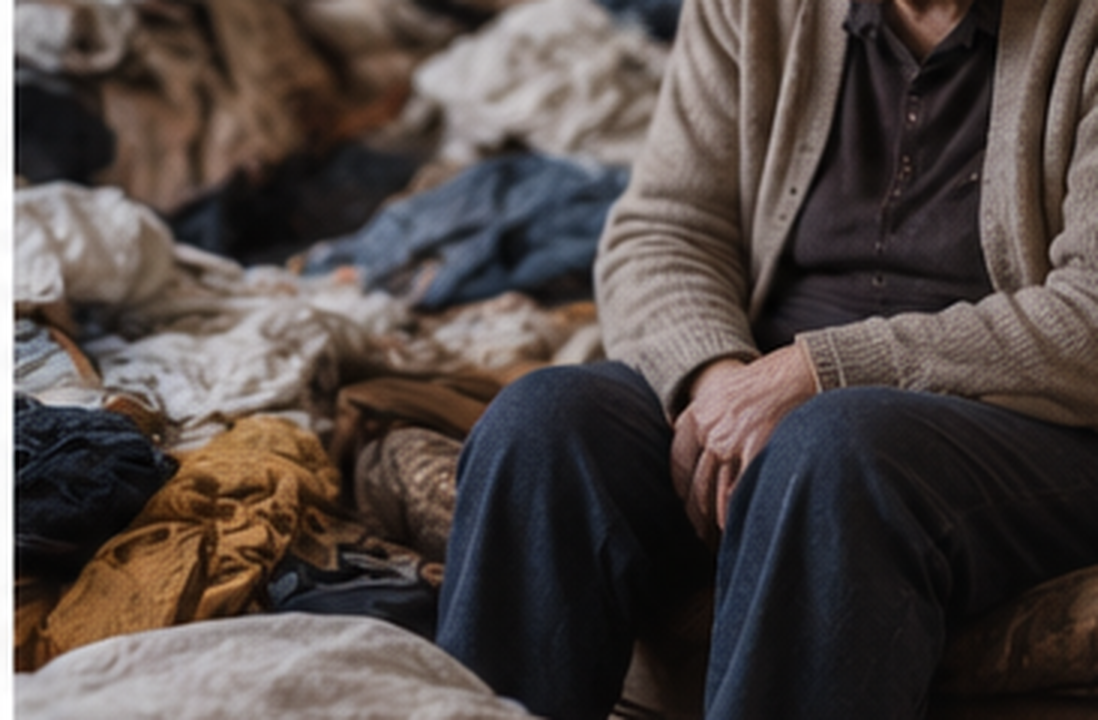
What it involves: Self-neglect differs from caregiver neglect because the failure to meet essential needs is not caused by another person's misconduct. Instead, an elderly individual may become unable to adequately care for their own health, nutrition, hygiene, housing, or safety.
Common examples may include:
- Failing to eat or drink adequately
- Not taking prescribed medications
- Living in seriously unsafe or unsanitary conditions
- Neglecting personal hygiene
- Failing to obtain necessary medical treatment
- Being unable to maintain utilities or essential household needs
- Remaining in an environment that presents significant safety hazards
California Adult Protective Services identifies self-neglect as failing to provide necessary food, clothing, shelter, or health care for oneself.
Warning signs may include:
- Severe decline in personal hygiene
- Malnutrition or dehydration
- Unsafe or extremely unsanitary living conditions
- Untreated medical problems
- Confusion about medications
- Inability to perform essential daily activities
- Increasing difficulty managing everyday needs
Self-neglect does not necessarily mean another person has committed abuse, but it can still indicate that an elderly individual urgently needs additional care or protective assistance.
Elder Abuse Can Involve More Than One Type of Mistreatment
The categories above do not always occur independently. An elderly individual experiencing one form of mistreatment may simultaneously be experiencing several others.
For example, a caregiver who physically intimidates an elderly person may also prevent that individual from contacting family members. A nursing home resident who is neglected may experience malnutrition, untreated wounds, psychological distress, and preventable physical injuries at the same time. Someone experiencing sexual abuse may also be threatened or isolated to prevent disclosure.
Families should therefore consider the overall pattern rather than focusing exclusively on one symptom. Multiple unexplained changes occurring together may provide important context.
What to Do If You Notice Warning Signs of Elder Abuse
When something appears wrong, documenting concerns can help preserve important information. Families do not necessarily need to determine exactly what happened before raising legitimate questions about an elderly person's safety.
Consider documenting:
- Photographs of visible injuries or unsafe conditions
- Dates and descriptions of concerning incidents
- Changes in physical or emotional condition
- Names of caregivers or staff members involved
- Medical records and care plans
- Written communications with a facility
- Explanations provided for injuries or unusual events
- Relevant emails, text messages, and other correspondence
Peck Law Corporation also recommends preserving records and documenting changes when families suspect nursing home abuse or neglect.
If an elderly person appears to be in immediate danger, emergency assistance should be sought promptly. Suspected mistreatment can also be reported to appropriate authorities, such as Adult Protective Services or agencies responsible for oversight of long-term care facilities.
Peck Law Corporation Helps Elder Abuse Victims Across Southern California
At Peck Law Corporation, we are based in Simi Valley, California, and represent individuals and families throughout Southern California in cases involving elder abuse, nursing home abuse, and nursing home neglect. Our experienced elder abuse and nursing home abuse lawyers investigate circumstances involving serious physical injuries, neglect, inadequate supervision, psychological harm, unsafe care, and other injury-related mistreatment of vulnerable older adults.
We understand that families dealing with suspected abuse may already be facing medical bills, uncertainty, and difficult questions about the care their loved one received. Peck Law Corporation handles all injury-related cases on a contingency fee basis, meaning there are no upfront attorney fees and our firm is paid only if compensation is successfully recovered. Our practice focuses on injury-related elder abuse and nursing home abuse matters; we do not handle cases involving financial abuse.
Contact Peck Law Corporation for a Free Legal Consultation
Understanding the types of abuse in the elderly is an important first step toward recognizing when an older family member may be in danger. Physical abuse, sexual abuse, psychological mistreatment, neglect, abandonment, isolation, abduction, and other forms of harm can have devastating consequences, particularly when an elderly person depends on others for everyday care.
If you believe a loved one has suffered injury-related elder abuse or nursing home abuse, you do not have to determine what happened on your own. Contact Peck Law Corporation today for a free legal consultation. Our experienced Southern California elder abuse lawyers can review the circumstances, explain your legal options, investigate potential wrongdoing, and help pursue accountability when negligent caregivers or facilities have caused harm. For injury-related matters, there are no upfront attorney fees—we work on contingency and are paid only if we successfully recover compensation for you.
Frequently Asked Questions
What are the main types of abuse in the elderly?
The main types of abuse in the elderly can include physical abuse, sexual abuse, emotional or psychological abuse, neglect, abandonment, isolation, abduction, financial abuse, and self-neglect. Some situations may involve more than one form of mistreatment at the same time.
What is the most common type of elder abuse?
The most common form can vary depending on the setting and how abuse is reported, but neglect is a major concern in nursing homes, assisted living facilities, and private caregiving situations. Neglect may involve failures to provide adequate food, hygiene, medication, supervision, medical attention, or other essential care.
What should I do if I suspect an elderly loved one is being abused?
If your loved one is in immediate danger, seek emergency assistance right away. You may also document injuries and conditions, preserve relevant medical records and communications, report suspected abuse to the appropriate authorities, and speak with an experienced elder abuse attorney about your options.
Who can help with an elder abuse case in Southern California?
Peck Law Corporation is based in Simi Valley and represents clients throughout Southern California in injury-related elder abuse and nursing home abuse cases. Families who suspect a loved one has been harmed can contact the firm for a free legal consultation.
%20(1).avif)