.avif)
Losing a loved one in a nursing home is devastating under any circumstances. When that death may have been caused by neglect, abuse, unsafe conditions, poor supervision, or a facility’s failure to provide proper care, families are often left with grief, anger, and urgent questions about what to do next.
A wrongful death in nursing home care may give surviving family members the right to pursue legal action against the nursing home, staff members, management company, medical providers, or other responsible parties. A nursing home wrongful death claim can help families seek accountability, uncover what happened, and pursue compensation for the losses caused by preventable misconduct.
This guide explains how wrongful death claims involving nursing home abuse work in California, what families should do after a suspicious death, and how an experienced elder abuse attorney can help.
What Is a Wrongful Death in Nursing Home Care?
A wrongful death occurs when a person dies because of another party’s wrongful act, neglect, or misconduct. In the nursing home setting, this may involve a facility’s failure to protect a resident from harm, provide necessary care, respond to medical needs, prevent injuries, or maintain a safe environment.
A wrongful death in nursing home care is not limited to obvious physical abuse. Many cases involve neglect that develops over time, such as untreated infections, malnutrition, dehydration, medication errors, or failure to prevent falls.
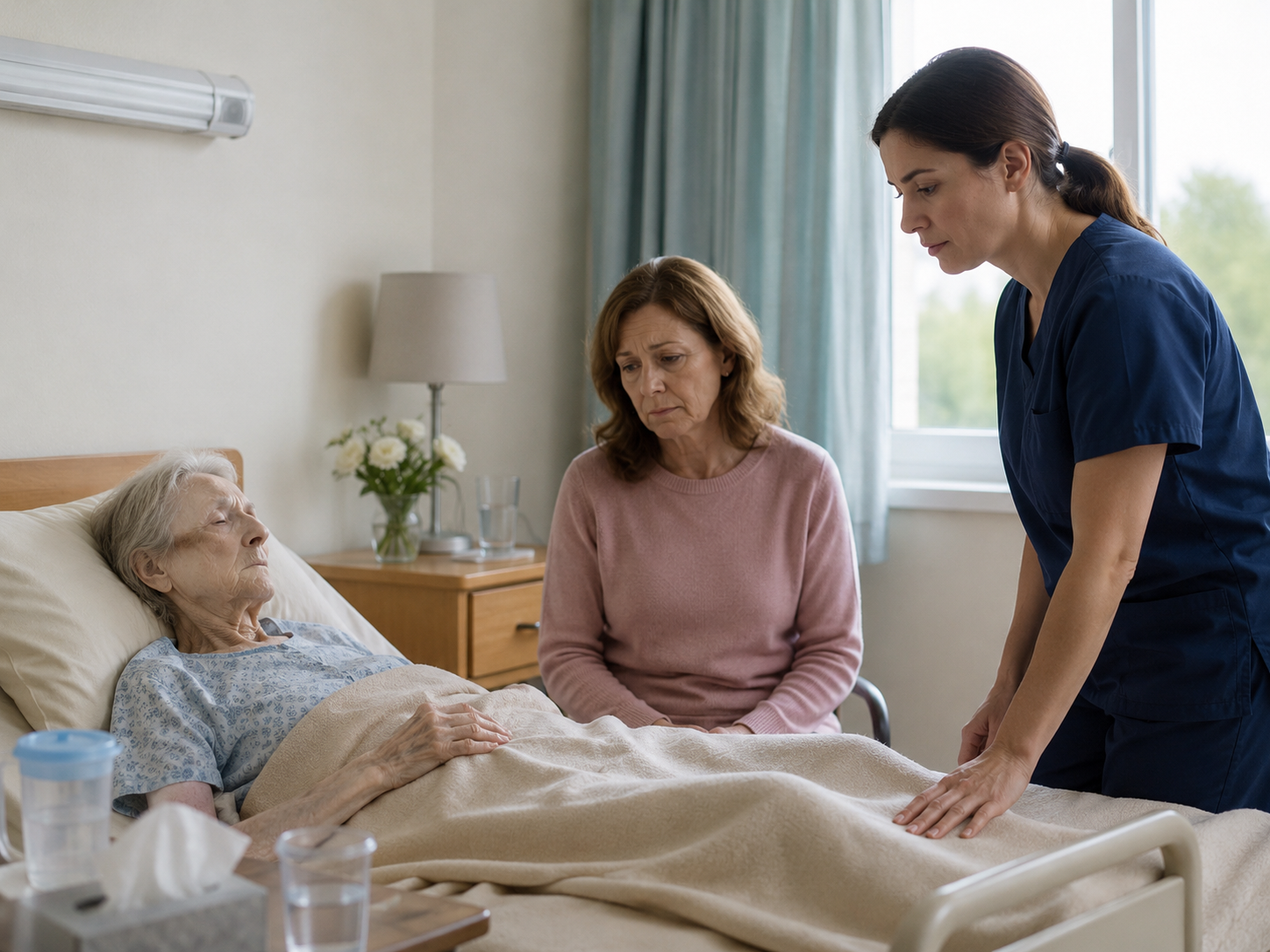
Common examples of nursing home misconduct that may lead to wrongful death include:
- Failure to prevent serious falls
- Untreated bedsores or pressure ulcers
- Dehydration or malnutrition
- Medication errors or missed medications
- Failure to monitor a resident after a known medical change
- Inadequate staffing or poor supervision
- Delayed emergency care
- Physical abuse by staff, residents, or third parties
- Failure to prevent choking, wandering, elopement, or infection
- Ignoring signs of pain, illness, injury, or decline
When a resident dies under suspicious circumstances, the issue is often not just one mistake. Many nursing home wrongful death cases involve a pattern of neglect, understaffing, poor training, ignored warning signs, or management failures.
Warning Signs That a Nursing Home Wrongful Death May Have Involved Abuse or Neglect
Families do not always know right away whether a loved one’s death was preventable. Nursing homes may offer vague explanations, avoid answering questions, or describe the death as “natural” even when there were serious care concerns.
Potential warning signs of a nursing home wrongful death case may include:
- The facility gives inconsistent explanations about what happened.
- Your loved one had unexplained bruises, fractures, wounds, or injuries.
- Staff failed to notify the family about a major health change.
- Your loved one developed severe bedsores, infections, or sepsis.
- The resident lost significant weight or appeared dehydrated.
- The death occurred after a fall, choking incident, medication error, or wandering episode.
- Medical records do not match what staff told the family.
- The nursing home delayed calling 911 or transferring the resident to a hospital.
- Staff seemed rushed, unavailable, poorly trained, or unable to answer basic questions.
- The facility has a history of complaints, citations, or staffing problems.
Not every death in a nursing home is wrongful. However, when something feels wrong, families should take their concerns seriously and speak with an attorney who understands elder abuse and nursing home neglect cases.
Who Can File a Wrongful Death Claim in California?
California law limits who may bring a wrongful death claim. In many cases, eligible parties may include the deceased person’s surviving spouse, domestic partner, children, or certain other heirs. If there are no surviving children or direct heirs, other people who would be entitled to inherit under California intestate succession laws may have the right to bring the claim.
A personal representative of the deceased person’s estate may also bring a wrongful death action on behalf of eligible survivors.
Because family relationships, estate issues, adult children, stepchildren, dependent minors, and other circumstances can complicate who has the right to file, families should get legal guidance before assuming who may or may not bring a claim.
How Long Do Families Have to File a Nursing Home Wrongful Death Claim?
In California, wrongful death claims are generally subject to a two-year statute of limitations. This means eligible family members usually have two years from the date of death to file a lawsuit.
However, the deadline can vary depending on the facts. For example, cases involving medical negligence, government entities, delayed discovery, elder abuse allegations, or overlapping survival claims may involve different procedural rules or notice requirements.
Families should not wait to speak with a lawyer. Evidence can disappear quickly, staff members may leave the facility, records may become harder to obtain, and surveillance footage may be overwritten. Acting early gives your attorney a better chance to preserve important evidence and investigate what happened.
What to Do After a Suspected Wrongful Death in Nursing Home Care
After a suspicious death in a nursing home, families are often overwhelmed. The following steps can help protect your loved one’s memory, preserve evidence, and prepare for a possible legal claim.
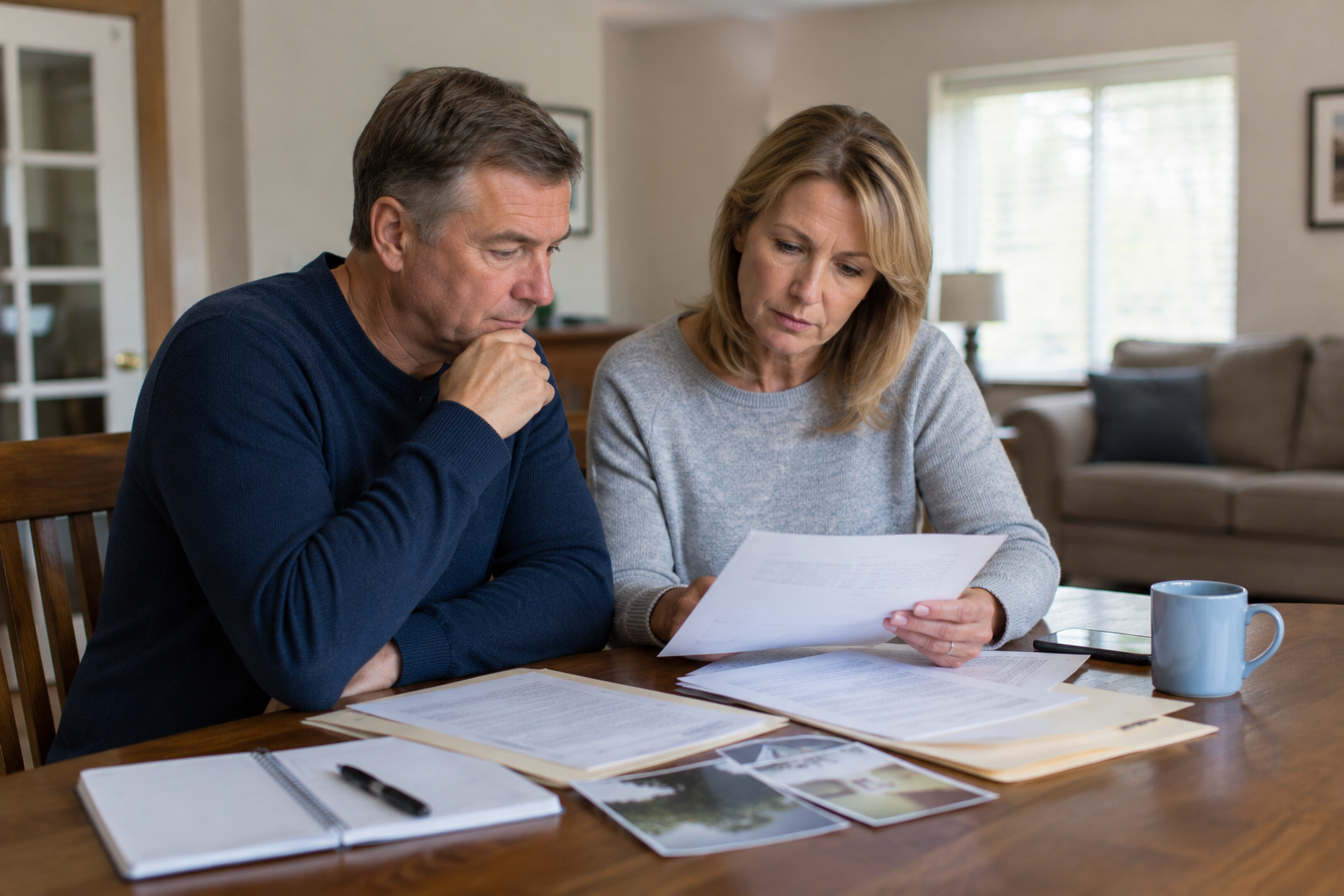
1. Write Down What You Know
As soon as possible, document the timeline of events. Include dates, names, conversations, symptoms, injuries, hospital visits, and anything unusual you noticed before your loved one’s death.
Helpful details may include:
- When your loved one’s condition changed
- Who notified you and what they said
- Whether the nursing home delayed contacting you
- Names of staff members involved in care
- Prior complaints about neglect, abuse, falls, wounds, or medication issues
- Photos, text messages, emails, voicemails, or written notes
Even small details may become important later.
2. Request Medical and Facility Records
Records can help show whether the nursing home followed the care plan, monitored your loved one properly, responded to warning signs, and documented changes in condition.
Important records may include:
- Nursing home chart notes
- Care plans
- Medication administration records
- Fall risk assessments
- Wound care records
- Nutrition and hydration logs
- Incident reports
- Hospital records
- Death certificate
- Hospice records, if applicable
- Staffing records, if obtainable through litigation
- Prior complaints or inspection information
An attorney can help determine which records are needed and whether the facility’s documentation contains gaps, inconsistencies, or red flags.
3. Preserve Photos and Physical Evidence
Photos can be powerful evidence in a nursing home wrongful death case. Families should preserve any photos showing injuries, bruising, wounds, bedsores, poor hygiene, unsafe conditions, or changes in appearance.
Do not alter, delete, or edit photos. Save the originals, including timestamps if available.
4. Avoid Giving Recorded Statements Without Legal Advice
The nursing home, insurance company, or risk management representative may contact family members after the death. They may sound sympathetic, but their goal may be to limit liability.
Before giving a recorded statement, signing documents, or accepting any explanation from the facility, speak with an attorney. What you say early in the process can affect the case later.
5. Contact a California Nursing Home Abuse Lawyer
An experienced nursing home abuse lawyer can investigate whether the death resulted from abuse, neglect, medical negligence, understaffing, or another preventable failure. Legal counsel can also help preserve evidence, identify responsible parties, consult experts, and handle communications with the facility and insurance companies.
What Must Be Proven in a Nursing Home Wrongful Death Case?
To pursue a successful nursing home wrongful death claim, the family generally must show that the responsible party’s conduct caused or contributed to the resident’s death.
The specific legal theory may depend on the facts, but the case often involves proving:
- The nursing home or care provider owed the resident a duty of care.
- The facility or provider failed to meet that duty.
- The failure caused or contributed to the resident’s death.
- Surviving family members suffered legally recognized losses.
In elder abuse cases, the evidence may also need to show more than ordinary negligence. Some claims require proof of reckless neglect, physical abuse, abandonment, oppression, fraud, or malice. This is one reason nursing home death cases should be reviewed by attorneys who understand both wrongful death law and California elder abuse law.
Common Causes of Wrongful Death in Nursing Home Abuse Cases
Many wrongful death cases involving nursing homes arise from preventable hazards or repeated failures in care. Some of the most common causes include the following.

Falls and Fractures
Falls are one of the most common causes of serious injury in nursing homes. While not every fall is preventable, facilities must assess fall risks, supervise residents, use appropriate safety interventions, and update care plans when conditions change.
Bedsores, Infection, and Sepsis
Severe bedsores can be a sign of neglect, especially when a resident needed help repositioning, bathing, eating, or receiving wound care. Untreated pressure ulcers can become infected and may lead to sepsis, a life-threatening condition.
A nursing home wrongful death claim may arise when staff failed to prevent, detect, treat, or escalate care for pressure injuries.
Dehydration and Malnutrition
Residents who cannot feed themselves, swallow safely, or communicate their needs are especially vulnerable. Nursing homes must monitor food and fluid intake, address weight loss, and notify physicians and families when a resident’s condition declines.
Death related to dehydration or malnutrition may suggest understaffing, poor monitoring, or failure to follow the care plan.
Medication Errors
Medication errors can be fatal, especially for elderly residents with complex health conditions. Errors may include giving the wrong medication, incorrect dosage, missed doses, dangerous drug interactions, or failure to monitor side effects.
Choking and Aspiration
Residents with swallowing problems may need modified diets, supervision while eating, or special precautions. A wrongful death in nursing home care may occur when staff ignore choking risks, provide the wrong food texture, or leave a high-risk resident unsupervised during meals.
Wandering and Elopement
Some residents have dementia, memory loss, or confusion that places them at risk of wandering away from safe areas. Nursing homes must take appropriate steps to prevent elopement, especially when a resident is known to be at risk.
Fatal injuries may occur when a resident exits the facility, falls, is exposed to extreme temperatures, enters traffic, or goes missing.
What Compensation May Be Available in a Nursing Home Wrongful Death Claim?
A wrongful death claim is designed to compensate eligible surviving family members for the losses they suffer because of their loved one’s death. Depending on the facts, compensation may include both financial and non-financial losses.
Potential damages may include:
- Funeral and burial expenses
- Loss of financial support
- Loss of household services
- Loss of love, companionship, comfort, care, assistance, protection, affection, society, and moral support
- Other damages allowed under California law
Some cases may also involve a related survival action. A survival claim is different from a wrongful death claim because it belongs to the deceased person’s estate and may address certain losses the resident suffered before death. Depending on the circumstances, elder abuse claims may also allow additional remedies, including attorney’s fees and costs when the legal standard is met.
The value of a nursing home wrongful death claim depends on the evidence, cause of death, family relationship, available insurance, responsible parties, and applicable legal limits.
Wrongful Death, Elder Abuse, and Medical Negligence: Why the Legal Theory Matters
A death in a nursing home may involve several overlapping legal issues. The case may be based on wrongful death, elder abuse, negligence, medical malpractice, or a combination of claims.
This distinction matters because different legal theories may affect:
- Who can bring the claim
- What damages may be available
- Whether enhanced elder abuse remedies apply
- Whether medical malpractice rules apply
- What experts are needed
- What deadlines or procedural requirements may control the case
For example, a case involving reckless neglect by a nursing facility may be handled differently from a case involving a medical provider’s professional negligence. An attorney can evaluate the facts and determine the strongest legal path forward.
How a Nursing Home Wrongful Death Claim Can Help Families Seek Justice
No legal claim can replace a loved one. However, a nursing home wrongful death case can serve several important purposes.
A claim may help families:
- Find out what really happened
- Hold negligent facilities accountable
- Expose unsafe staffing or care practices
- Recover compensation for the harm caused
- Encourage safer care for other residents
- Protect vulnerable elders from similar neglect
For many families, the case is about more than money. It is about accountability, answers, and making sure their loved one’s suffering is not ignored.
How an Attorney Investigates a Wrongful Death in Nursing Home Care
A thorough investigation may include reviewing records, interviewing witnesses, consulting medical experts, evaluating the facility’s history, and analyzing whether the nursing home followed required standards of care.
An attorney may investigate:
- Whether the facility followed the resident’s care plan
- Whether staff properly assessed fall, wound, nutrition, hydration, or choking risks
- Whether the facility had enough trained staff
- Whether the nursing home delayed emergency treatment
- Whether records were altered, incomplete, or inconsistent
- Whether prior complaints or citations show similar problems
- Whether corporate policies placed profits over resident safety
Nursing homes and insurance companies often have legal teams protecting their interests. Families should have an advocate protecting theirs.
Peck Law Corporation Helps Families After Nursing Home Wrongful Death in Southern California
Peck Law Corporation is based in Simi Valley and represents clients throughout Southern California. Our elder abuse and nursing home abuse lawyers help families pursue justice when a loved one has been harmed or killed because of neglect, abuse, or unsafe care in a nursing facility.
We understand how painful and confusing these cases can be. Families often come to us after receiving unclear answers from a nursing home, noticing signs of neglect, or feeling that something about their loved one’s death was not right. Our team can review the facts, explain your legal options, and help determine whether you may have a wrongful death claim.
Peck Law Corporation handles injury-related cases on a contingency fee basis. That means you do not pay attorney’s fees unless we recover compensation for you. Please note that our firm does not handle cases involving financial abuse. Our work focuses on injury-related elder abuse, nursing home abuse, neglect, and wrongful death matters.
Contact Peck Law Corporation for a Free Legal Consultation
If your loved one died after suspected abuse or neglect in a California nursing home, you deserve answers. A wrongful death in nursing home care should be taken seriously, and your family should not have to face the facility or its insurance company alone.
Contact Peck Law Corporation today for a free legal consultation. Our nursing home abuse lawyers serve clients across Southern California and are ready to review your case, explain your legal options, and help you determine whether a nursing home wrongful death claim may be the right path toward justice.
Frequently Asked Questions
Who can file a nursing home wrongful death claim in California?
In California, a wrongful death claim is typically filed by the deceased person’s surviving spouse, domestic partner, children, or other eligible heirs. In some cases, a personal representative of the estate may also bring the claim on behalf of the appropriate family members.
What are common causes of wrongful death in nursing homes?
Common causes include falls, untreated infections, sepsis, pressure ulcers, medication errors, choking, dehydration, malnutrition, physical abuse, and failure to supervise residents. Many nursing home wrongful death cases also involve understaffing, poor training, or failure to follow a resident’s care plan.
How long do I have to file a wrongful death claim against a nursing home in California?
California wrongful death claims are generally subject to a two-year filing deadline from the date of death. However, certain facts can affect the timeline, so families should speak with a lawyer as soon as possible to avoid missing an important deadline.
What compensation may be available in a nursing home wrongful death case?
Compensation may include funeral and burial expenses, loss of financial support, loss of household services, and loss of love, companionship, comfort, care, assistance, and moral support. Some cases may also involve related survival or elder abuse claims depending on what happened before the resident’s death.
%20(1).avif)