.avif)

Sepsis is a life-threatening medical emergency that can occur when the body has an extreme response to an existing infection. Nursing home residents may be particularly vulnerable because advanced age, chronic health conditions, weakened immune systems, limited mobility, and recent medical procedures can make it harder to fight infections. When facility staff fail to recognize, report, or properly respond to an infection, a resident’s condition may deteriorate rapidly.
Understanding how sepsis in nursing homes develops can help families recognize dangerous changes and advocate for immediate medical attention. Families should also know the signs of sepsis in elderly residents and consider seeking legal guidance when delayed treatment, inadequate monitoring, poor hygiene, or other forms of neglect may have contributed to a serious injury or death.
What Is Sepsis?
Sepsis occurs when an infection triggers a dangerous chain reaction throughout the body. Without fast treatment, it can cause tissue damage, organ failure, septic shock, and death. Infections that lead to sepsis commonly begin in the lungs, urinary tract, skin, or gastrointestinal tract.
Sepsis is not simply a severe infection. It is the body’s potentially life-threatening response to that infection. A resident may initially have a localized condition, such as a urinary tract infection or infected pressure sore, before the infection spreads or produces a systemic response.
People age 65 and older are among those at increased risk of developing sepsis. Residents with diabetes, kidney disease, lung disease, weakened immune systems, open wounds, feeding tubes, urinary catheters, or recent hospitalizations may face additional risk.
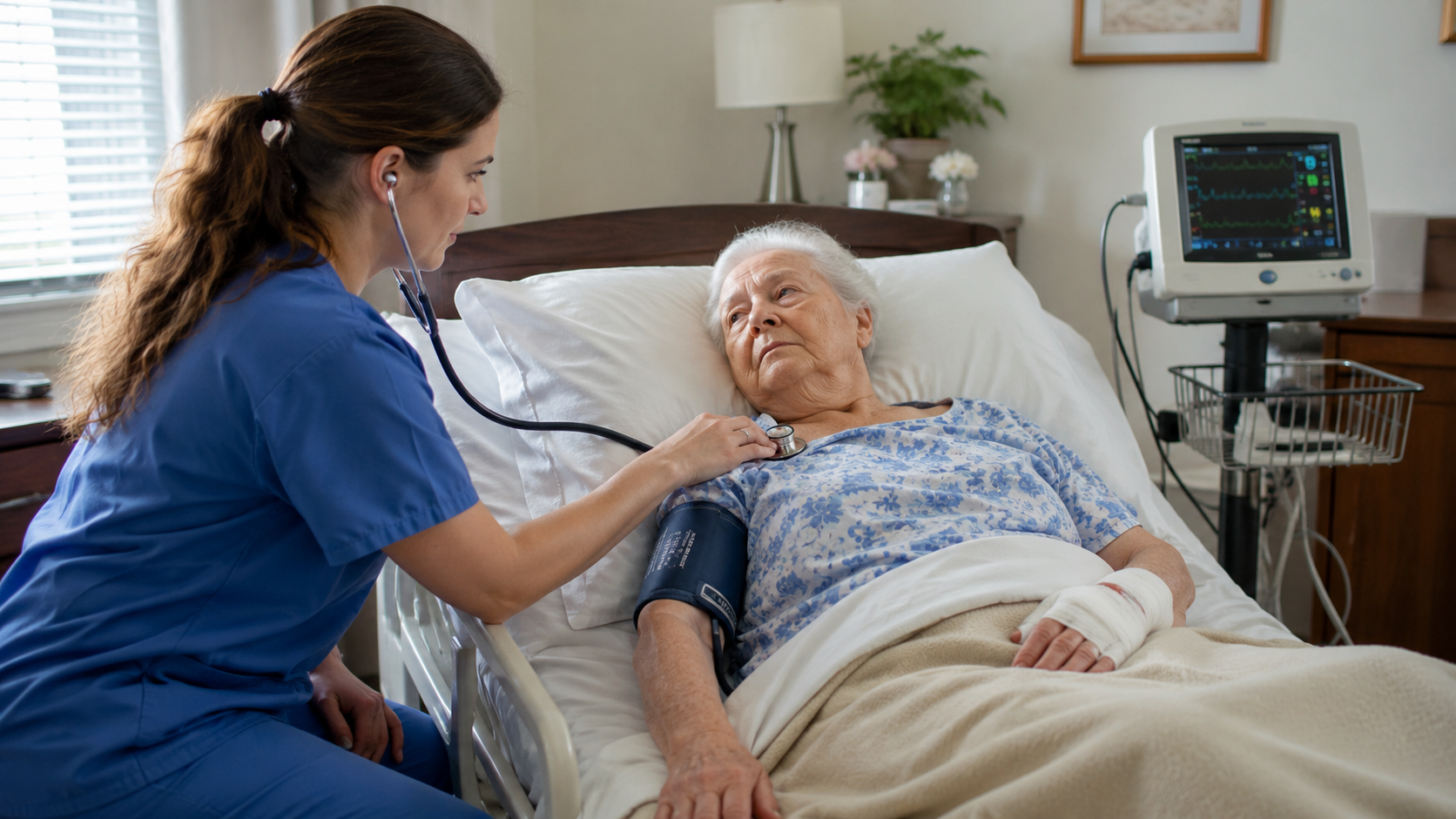
How Sepsis in Nursing Homes Can Begin With an Untreated Infection
Many infections are treatable when staff identify them early and arrange appropriate medical care. Problems arise when symptoms are overlooked, poorly documented, inadequately monitored, or dismissed as a normal part of aging.
A typical progression may involve the following:
- An infection develops. A resident develops pneumonia, a urinary tract infection, a wound infection, or another illness.
- Early symptoms go unnoticed or unreported. Staff may fail to recognize changes in appetite, mental status, temperature, breathing, urine output, or skin condition.
- The resident does not receive timely evaluation. A physician or nurse practitioner may not be contacted, necessary testing may be delayed, or the resident may not be transferred to a hospital.
- The infection worsens. Bacteria or other pathogens continue to spread, and the resident’s health declines.
- The body develops an extreme response. The infection triggers sepsis, potentially leading to organ dysfunction, septic shock, or death.
A delayed response can be especially dangerous for an elderly resident whose condition may change quickly. The CDC advises acting fast when an infection is not improving or is getting worse because early recognition and treatment are critical.
Common Infections That Can Lead to Sepsis in Nursing Homes
Almost any infection can potentially lead to sepsis. However, several types of infection are particularly relevant in nursing home settings.
Urinary Tract Infections
Urinary tract infections, or UTIs, are common among older adults. Risk may be higher for residents who use urinary catheters, experience incontinence, have difficulty emptying their bladder, or depend on staff for hygiene.
Possible UTI symptoms include:
- Pain or burning during urination
- Frequent or urgent urination
- Cloudy, dark, bloody, or unusually strong-smelling urine
- Lower abdominal or back pain
- Fever or chills
- New confusion, agitation, or unusual behavior
- Reduced appetite or weakness
Facility staff should not automatically assume that confusion or lethargy is caused by dementia. A sudden mental-status change may require prompt medical assessment.
Pneumonia and Other Respiratory Infections
Pneumonia is another significant source of infection among nursing home residents. Residents who have swallowing difficulties, limited mobility, chronic lung disease, or weakened immune systems may be particularly susceptible.
Warning signs may include:
- Coughing
- Shortness of breath
- Rapid or labored breathing
- Chest pain
- Fever or chills
- Low oxygen levels
- Fatigue or unusual weakness
- Confusion or reduced alertness
A resident with aspiration risk may develop pneumonia after food, saliva, liquid, or vomit enters the lungs. Staff should follow swallowing precautions and care-plan instructions designed to reduce this risk.
Infected Pressure Ulcers
Pressure ulcers, also called pressure sores or bedsores, develop when prolonged pressure damages the skin and underlying tissue. Residents who cannot reposition themselves need regular assistance, skin inspections, moisture management, adequate nutrition, and appropriate wound care.
An untreated pressure ulcer may become infected and progress into deeper tissue, bone, or the bloodstream. Signs of infection may include:
- Increasing redness or swelling
- Warm skin around the wound
- Pus or unusual drainage
- A foul odor
- Worsening pain
- Fever or chills
- Black or dying tissue
- Rapid wound deterioration
A pressure sore is not merely a skin problem. Once infected, it can become a source of sepsis and other serious complications.
Surgical-Site and Post-Hospital Infections
Residents returning from a hospital may have surgical wounds, intravenous lines, drains, or other areas that require careful monitoring. Staff should follow discharge instructions, administer prescribed medications, document changes, and promptly report concerning symptoms.
Failure to monitor a surgical wound or follow a post-hospital care plan can allow an infection to worsen before medical intervention occurs.
Catheter-Associated Infections
Urinary and intravenous catheters create pathways through which germs may enter the body. Catheters should be used only when medically necessary and managed according to infection-control practices.
Potential concerns include:
- Improper insertion or maintenance
- Inadequate hand hygiene
- Failure to clean catheter equipment
- Delayed catheter removal
- Obstructed drainage
- Failure to recognize cloudy urine, fever, pain, or mental-status changes
Skin and Soft-Tissue Infections
Cuts, tears, burns, surgical wounds, fungal infections, and other skin injuries may become infected without proper cleaning and treatment. Residents with diabetes, poor circulation, fragile skin, or limited mobility may have difficulty healing.
Staff should document skin conditions, protect wounds, provide ordered treatment, and monitor whether an affected area is improving or deteriorating.
Signs of Sepsis in Elderly Nursing Home Residents
The signs of sepsis in elderly residents may be obvious, subtle, or mistaken for other medical conditions. Families and caregivers should pay attention to any sudden or unexplained decline.
Potential warning signs include:
- Fever, shivering, or feeling unusually cold
- Sweaty or clammy skin
- Rapid heart rate
- Rapid breathing or shortness of breath
- Extreme pain or discomfort
- New confusion, disorientation, or difficulty communicating
- Unusual sleepiness or difficulty waking
- Sudden weakness or inability to stand
- Low blood pressure
- Reduced urine output
- Pale, gray, blotchy, or discolored skin
- A feeling that the resident is seriously unwell
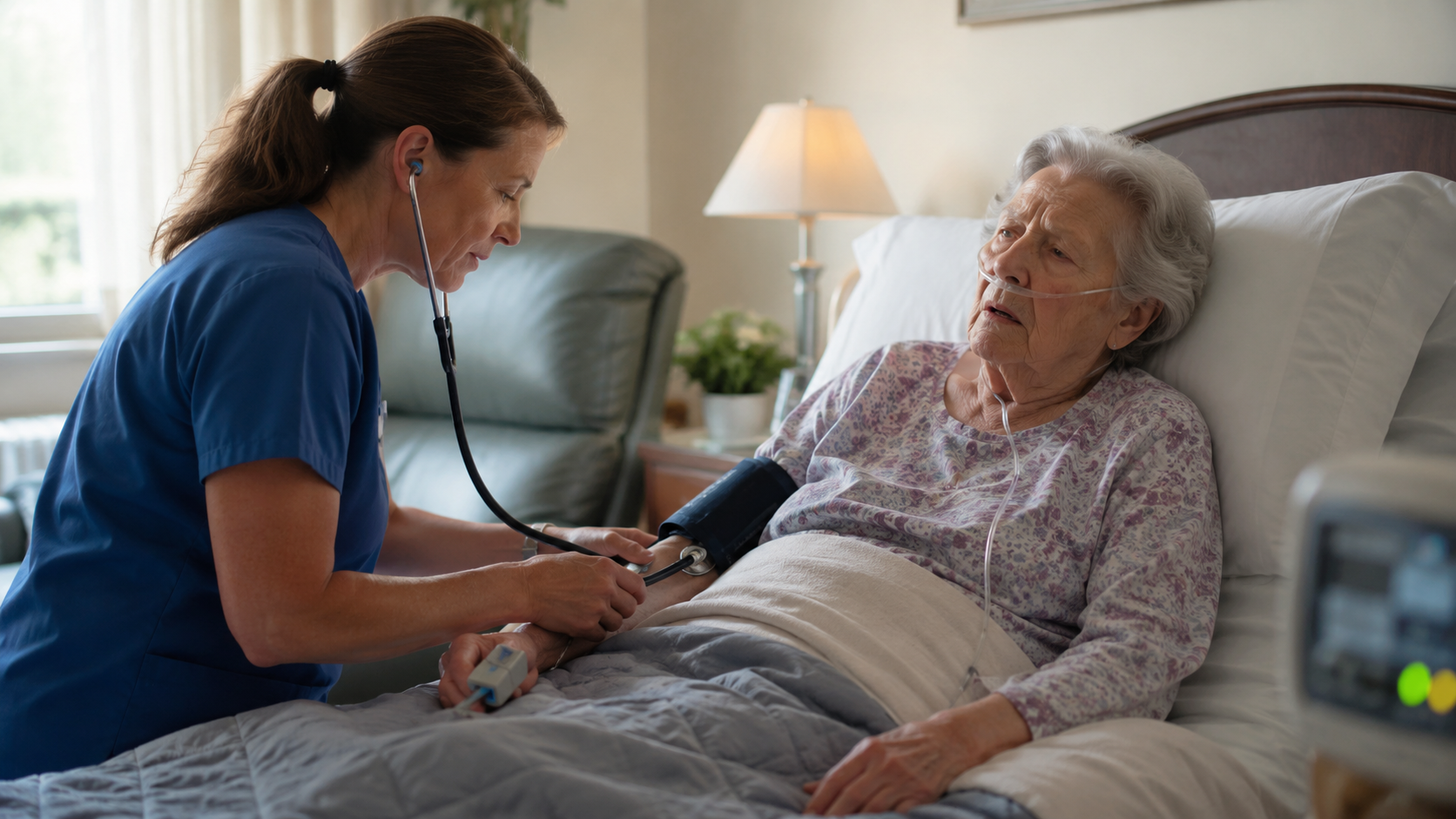
A resident does not need to display every symptom to have sepsis. Fever may also be absent in some elderly or immunocompromised patients. Because symptoms can overlap with pneumonia, dehydration, medication reactions, stroke, or other conditions, healthcare professionals typically use physical findings, laboratory tests, and the resident’s clinical history to evaluate suspected sepsis.
Nursing Home Failures That May Allow an Infection to Worsen
The presence of sepsis does not automatically prove that a nursing home was negligent. Some infections progress despite appropriate care. Legal concerns may arise, however, when preventable care failures allowed an infection to develop, spread, or remain untreated.
Examples may include:
Inadequate Monitoring
Residents with wounds, catheters, respiratory symptoms, recent procedures, or known infections may require frequent assessment. Inadequate monitoring can result in missed changes in temperature, breathing, blood pressure, mental status, oxygen levels, or urine output.
Failure to Notify a Physician
Nursing staff may need to notify a physician or other qualified provider when a resident’s condition materially changes. A delay in communication can postpone testing, medication adjustments, emergency treatment, or hospitalization.
Medication Errors
A resident may not receive prescribed antibiotics on time, may receive the wrong dose, or may miss multiple doses. Staff might also fail to monitor the resident’s response or report that treatment is not working.
Poor Wound Care
Neglecting pressure-relief measures, wound cleaning, dressing changes, nutrition, hydration, or specialist referrals can allow a wound to deepen and become infected.
Unsanitary Conditions
Inadequate handwashing, improper equipment cleaning, contaminated linens, poor catheter care, or failure to follow isolation precautions may contribute to the development or spread of infection.
Federal nursing home guidance emphasizes the need for facility-wide infection-prevention and control programs that include surveillance, investigation, prevention, control, and reporting.
Understaffing or Inadequate Training
When too few qualified staff members are responsible for too many residents, routine care and monitoring may be delayed. Insufficiently trained employees may also fail to recognize infection symptoms, follow care plans, maintain hygiene, or respond appropriately to an emergency.
Failure to Transfer a Resident for Emergency Care
A nursing home should not delay necessary emergency treatment because of administrative inconvenience, staffing problems, or an attempt to manage a condition beyond the facility’s capabilities. A resident showing possible signs of sepsis may require immediate hospital evaluation.
What Families Should Do When They Suspect Sepsis
When a resident appears seriously ill, the immediate priority is medical care—not collecting evidence or debating responsibility with facility personnel.
Families should take the following steps:
Request Emergency Medical Assistance
Ask the facility to arrange immediate evaluation or call 911 when symptoms indicate a medical emergency. Clearly state that the resident has an infection or suspected infection and may be showing signs of sepsis.
Communicate Recent Changes
Tell emergency personnel about:
- Known infections
- Recent hospitalizations or procedures
- Wounds or pressure ulcers
- Catheters or feeding tubes
- Recent antibiotic use
- Changes in mental status
- Abnormal vital signs
- Missed medications
- The approximate time symptoms began
Ask Questions About the Source of Infection
Once the resident is receiving appropriate care, ask healthcare providers what infection may have caused the sepsis and whether there are concerns about delayed treatment.
Document What You Observed
Write down dates, symptoms, conversations, names of staff members, requests for care, and the facility’s responses. Preserve photographs of visible wounds or unsanitary conditions when they can be taken lawfully and without interfering with treatment.
Evidence That May Be Important in a Nursing Home Sepsis Case
A legal review may involve medical, staffing, and facility records. Relevant evidence can include:
- Nursing notes
- Physician orders
- Medication-administration records
- Infection and antibiotic records
- Vital-sign logs
- Laboratory and culture results
- Wound-care documentation
- Skin assessments
- Hospital and emergency-room records
- Care plans
- Dietary and hydration records
- Staffing schedules
- Incident reports
- Photographs or videos
- Text messages and emails
- Statements from visitors, roommates, or employees
- State inspection and complaint records
Families should avoid altering original photographs, discarding medication information, or posting detailed allegations on social media. An attorney can help determine what records should be requested and how evidence may be preserved.
When Sepsis in Nursing Homes May Support Legal Action
A nursing home sepsis case generally requires more than proof that the resident developed an infection. The evidence must be examined to determine whether the facility or another care provider failed to meet an applicable standard of care and whether that failure contributed to the resident’s harm.
Potential legal concerns may include:
- Failing to prevent avoidable infections
- Ignoring symptoms of an existing infection
- Failing to monitor a deteriorating resident
- Delaying physician notification
- Failing to administer ordered medication
- Providing inadequate wound or catheter care
- Failing to follow a care plan
- Delaying emergency transfer
- Failing to maintain appropriate infection-control practices
- Inadequate staffing, supervision, or training
Depending on the circumstances, recoverable damages may relate to medical expenses, pain and suffering, disability, additional care needs, or other losses. When sepsis results in a resident’s death, qualifying family members may also wish to ask an attorney whether a wrongful death or related claim should be investigated.
Every case is different. A poor outcome alone does not establish neglect, and legal responsibility should be evaluated based on medical records, timelines, expert review, and the facts surrounding the resident’s care.
How Peck Law Corporation Can Help With Nursing Home Infection Cases
Peck Law Corporation is based in Simi Valley and represents clients throughout Southern California in matters involving elder abuse, nursing home abuse, neglect, and serious resident injuries. Our attorneys can investigate cases involving nursing home infections, infected pressure ulcers, delayed treatment, inadequate monitoring, medication failures, and sepsis that may have resulted from substandard care.
We can review medical records, examine the nursing home’s documentation, assess when symptoms were first observed, determine how staff responded, and work with qualified professionals when expert analysis is needed. Peck Law Corporation handles injury-related cases on a contingency-fee basis, meaning attorney fees are generally collected only if compensation is recovered. We do not handle cases involving financial elder abuse.

Contact Peck Law Corporation for a Free Legal Consultation
Sepsis can progress quickly, and the consequences of an untreated nursing home infection may be devastating. When a facility fails to recognize warning signs, follow a resident’s care plan, provide proper infection control, or arrange timely medical treatment, the resident and family deserve clear answers.
If your loved one developed sepsis after an infection was ignored or inadequately treated in a Southern California nursing home, contact Peck Law Corporation. Our experienced elder abuse and nursing home abuse lawyers can evaluate what happened, explain your legal options, and determine whether the facility may be held accountable. Contact Peck Law Corporation today to arrange a free legal consultation about your nursing home infection or sepsis case.
This article is intended for general informational purposes and does not constitute medical or legal advice. Call 911 or seek immediate emergency assistance when sepsis is suspected. Consult a qualified attorney for advice about a specific legal matter.
Frequently Asked Questions
What are the most common signs of sepsis in elderly residents?
Common signs of sepsis in elderly residents include confusion, rapid breathing, a fast heart rate, fever, chills, clammy skin, extreme weakness, and reduced urine output. Some older adults may not develop a high fever, so any sudden physical or mental decline should be taken seriously.
How quickly can sepsis develop?
Sepsis can develop rapidly, sometimes within hours after an infection begins to worsen. Because elderly residents may have weakened immune systems or multiple health conditions, prompt medical evaluation is essential when symptoms appear.
What infections commonly cause sepsis in nursing homes?
Urinary tract infections, pneumonia, infected pressure sores, catheter-related infections, surgical wounds, and skin infections can all lead to sepsis. Almost any untreated infection can become dangerous if it spreads or triggers a severe response throughout the body.
How long do families have to file a nursing home sepsis claim?
Legal deadlines vary depending on the type of claim, the parties involved, and when the injury was discovered. Families should speak with a qualified nursing home abuse attorney promptly to avoid missing an applicable deadline.
%20(1).avif)