.avif)

Psychological abuse can be difficult to detect because it often leaves no visible injuries. In nursing homes, harmful words, threats, humiliation, intimidation, and isolation may take place behind closed doors or be dismissed as personality conflicts. However, psychological abuse in elderly residents can cause serious emotional distress and may significantly affect their health, dignity, and quality of life.
Families should pay close attention to changes in a resident’s mood, behavior, communication, and relationships with caregivers. Recognizing the signs of psychological abuse in elderly nursing home patients can help families intervene, protect their loved ones, report suspected mistreatment, and explore their legal options.
What Is Psychological Abuse in Elderly Nursing Home Residents?
Psychological abuse, sometimes called emotional or mental abuse, involves conduct that intentionally causes fear, emotional pain, distress, humiliation, or mental suffering. It may involve a single serious incident or an ongoing pattern of mistreatment.
California’s elder abuse laws recognize abuse as including isolation and other treatment that results in mental suffering. Abuse can also include depriving an elder of goods or services necessary to prevent physical harm or mental suffering.
Examples of psychological abuse in elderly nursing home patients may include:
- Yelling, swearing, or speaking aggressively
- Insulting, mocking, or humiliating a resident
- Threatening punishment, abandonment, or physical harm
- Ignoring a resident’s requests for assistance
- Treating an adult resident like a child
- Preventing contact with family members or friends
- Using fear to force compliance
- Blaming residents for their care needs
- Intentionally embarrassing residents in front of others
- Threatening to withhold food, medication, mobility aids, or personal care
- Moving or hiding personal belongings to create confusion
- Giving a resident the silent treatment as punishment
Psychological abuse may be committed by staff members, administrators, contractors, other residents, or visitors. In some cases, it occurs alongside physical abuse, neglect, improper restraint, or other forms of nursing home mistreatment.
Why Psychological Abuse Can Be Difficult to Identify
Unlike physical abuse, psychological abuse does not always produce bruises, fractures, or other immediately observable injuries. A resident may also be afraid to report what happened because the alleged abuser controls access to food, medication, hygiene assistance, transportation, or communication with family members.
Other residents may have dementia, communication impairments, hearing loss, or medical conditions that make it difficult to describe the abuse clearly. Families and nursing home employees may mistakenly attribute emotional changes to aging, cognitive decline, grief, medication, or an existing mental health condition.
This is why families should evaluate the resident’s overall circumstances rather than dismissing a warning sign in isolation. A sudden behavioral change, especially when combined with fear of a particular caregiver or unexplained restrictions on family contact, deserves careful attention.
Common Signs of Psychological Abuse in Elderly Patients
The warning signs of psychological abuse vary from person to person. Some residents become unusually quiet and withdrawn, while others become angry, fearful, or agitated. The National Institute on Aging identifies depression, anxiety, withdrawal, and changes in behavior as potential indicators of emotional elder abuse.
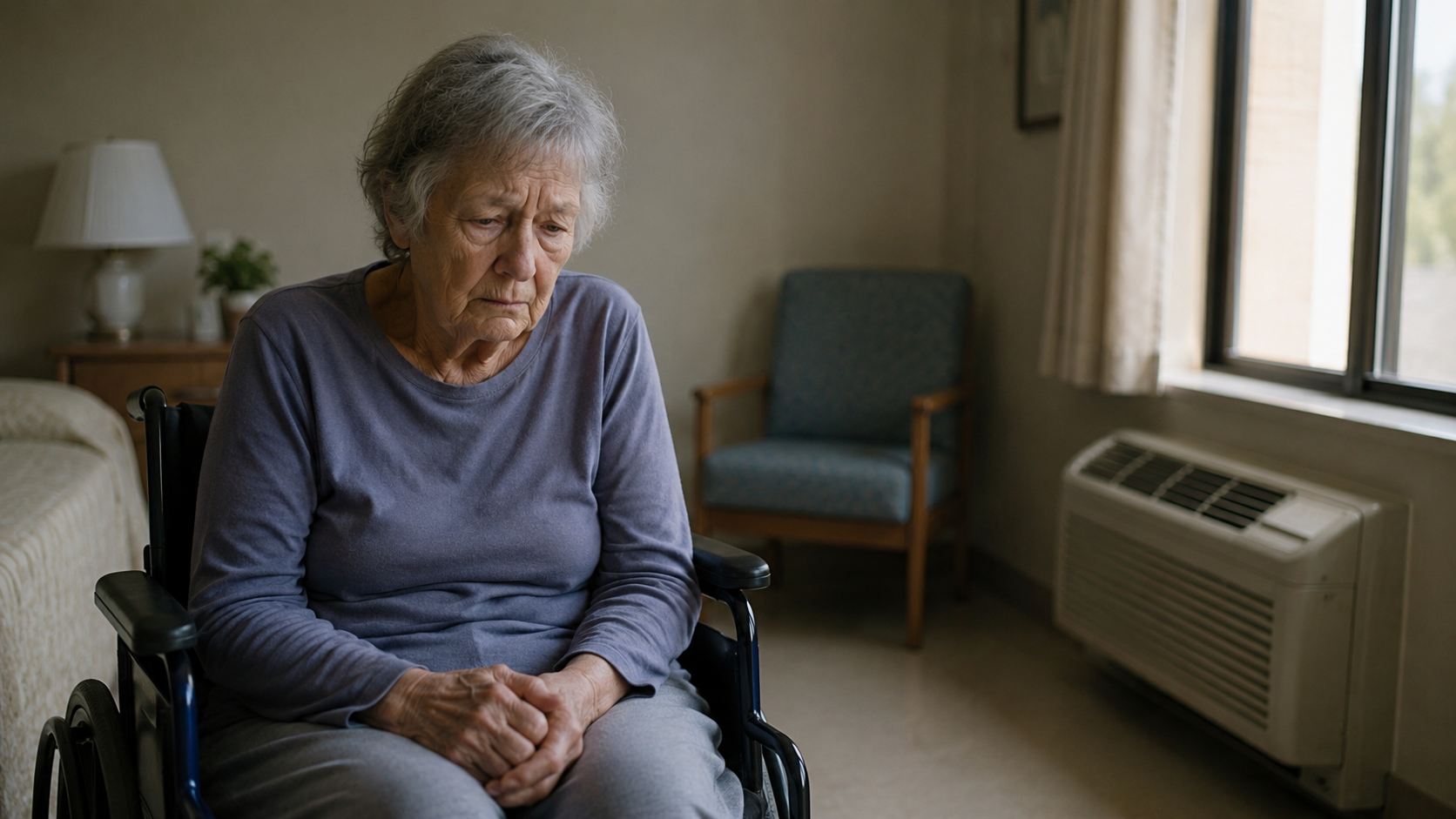
The following signs may indicate that a nursing home resident is experiencing emotional or psychological mistreatment.
Sudden Withdrawal From Family and Social Activities
A resident who previously enjoyed visits, group activities, or conversations may suddenly lose interest in social interaction. The resident may remain in their room, avoid eye contact, or stop participating in activities they once enjoyed.
Withdrawal does not automatically prove that abuse has occurred. However, it may warrant further investigation when it appears suddenly or coincides with a staffing change, conflict, unexplained fear, or restricted access to visitors.
Unexplained Fear or Anxiety
Residents experiencing psychological abuse may appear nervous, tense, or frightened. They might become visibly uncomfortable when a particular employee enters the room or repeatedly look toward a caregiver before answering questions.
Other signs of fear may include:
- Flinching when someone approaches
- Becoming silent around certain staff members
- Asking family members not to leave
- Expressing fear of punishment
- Repeatedly apologizing without a clear reason
- Appearing worried about saying the “wrong” thing
- Refusing care from a particular employee
Fear-based behavior can be especially concerning when it occurs only in the presence of one caregiver or within a particular area of the facility.
Depression or Persistent Sadness
Psychological abuse may contribute to depression, hopelessness, emotional numbness, or a loss of interest in daily life. Depression in older adults can be difficult to recognize because sadness is not always the primary symptom; some older adults instead experience emotional detachment or reduced interest in activities.
A resident may appear tearful, unusually tired, unmotivated, or indifferent to personal care. Any statements suggesting hopelessness, self-harm, or a desire to die should be treated as urgent medical and safety concerns.
Changes in Sleep or Eating Habits
Emotional distress can affect a resident’s sleeping and eating patterns. A resident may begin sleeping excessively, experience frequent nightmares, remain awake at night, or resist going to bed.
Changes in appetite may include refusing meals, eating substantially less, or losing weight without a clear medical explanation. These changes can also have medical causes, so families should request an appropriate clinical evaluation rather than assuming they are purely emotional.
Agitation, Anger, or Uncharacteristic Aggression
Not every abused resident becomes quiet or withdrawn. Some respond to psychological abuse with irritability, anger, restlessness, or aggressive behavior.
A normally calm resident may begin yelling, resisting care, throwing objects, or becoming combative. These behaviors may represent attempts to defend themselves, communicate distress, or regain a sense of control.
Rocking, Mumbling, or Repetitive Behaviors
Some residents develop repetitive behaviors when experiencing severe fear or emotional distress. They may rock back and forth, bite their nails, pull at their clothing, mumble, pace, or repeatedly ask the same question.
Repetitive behavior can also be associated with dementia and other neurological conditions. Families should therefore consider whether the behavior is new, has suddenly intensified, or appears in response to specific staff members or situations.
Low Self-Esteem and Excessive Apologizing
Residents subjected to repeated criticism, humiliation, or verbal attacks may begin to believe they are a burden. They may call themselves useless, difficult, stupid, or undeserving of care.
An abused resident may also apologize constantly for needing help with dressing, bathing, eating, toileting, or mobility. Statements such as “I cause too much trouble” or “They get angry when I ask for help” should not be ignored.
Reluctance to Speak Freely
A resident may hesitate to answer questions or change the subject whenever care conditions are discussed. They may give rehearsed responses, deny obvious problems, or insist everything is fine while appearing visibly distressed.
Families should be particularly concerned when staff members refuse to leave the room, interrupt the resident, answer questions on the resident’s behalf, or discourage private conversations.
Confusion That Becomes Worse Around Certain Caregivers
Some abusers exploit memory loss or cognitive impairment by deliberately confusing residents. They might deny previous statements, hide possessions, change routines without explanation, or falsely tell residents that family members no longer want to visit.
This behavior can resemble gaslighting, in which the abuser causes the resident to doubt their own memory and perceptions. Families may notice that the resident becomes especially disoriented, distressed, or fearful after interacting with a particular person.
Loss of Confidence or Independence
Psychological abuse may gradually destroy a resident’s confidence. The resident may stop making choices, expressing preferences, or attempting tasks they can still perform.
Caregivers may contribute to this loss of independence by belittling the resident, rushing decisions, refusing reasonable choices, or repeatedly suggesting that the resident is incapable of understanding anything.
Statements Suggesting Threats or Punishment
Residents sometimes reveal abuse indirectly. They may say that a caregiver will become angry, take away privileges, delay assistance, withhold meals, or leave them unattended if they complain.
Even vague statements should be documented and explored. A resident may minimize what happened because they fear retaliation or do not believe anyone will help.
Warning Signs in Nursing Home Staff Behavior
The conduct of nursing home staff can also provide important clues. Families should remain alert when employees:
- Insult or ridicule residents
- Speak to residents in a threatening or condescending manner
- Ignore requests for help
- Prevent residents from speaking privately with visitors
- Blame residents for staffing or workload problems
- Threaten to withhold care or privileges
- Provide inconsistent explanations for behavioral changes
- Dismiss complaints without investigating them
- Attempt to control who may visit or call the resident
- Retaliate after a resident or family member raises concerns
One rude interaction does not necessarily establish an ongoing pattern of abuse. Nevertheless, disrespectful conduct should be documented and reported because it may indicate broader problems with training, supervision, staffing, or facility culture.
Isolation as a Form of Psychological Abuse
Isolation can occur when a caregiver intentionally prevents a resident from contacting family members, friends, advocates, or other residents. It may also involve placing unreasonable restrictions on telephone calls, mail, visits, religious activities, or social participation.
An abuser may falsely tell relatives that the resident does not want visitors. Conversely, the resident may be told that family members have stopped calling or no longer care.
Isolation is particularly dangerous because it reduces outside oversight and makes other forms of abuse easier to conceal. Social isolation and loneliness can also negatively affect older adults’ physical, emotional, mental, and cognitive well-being.
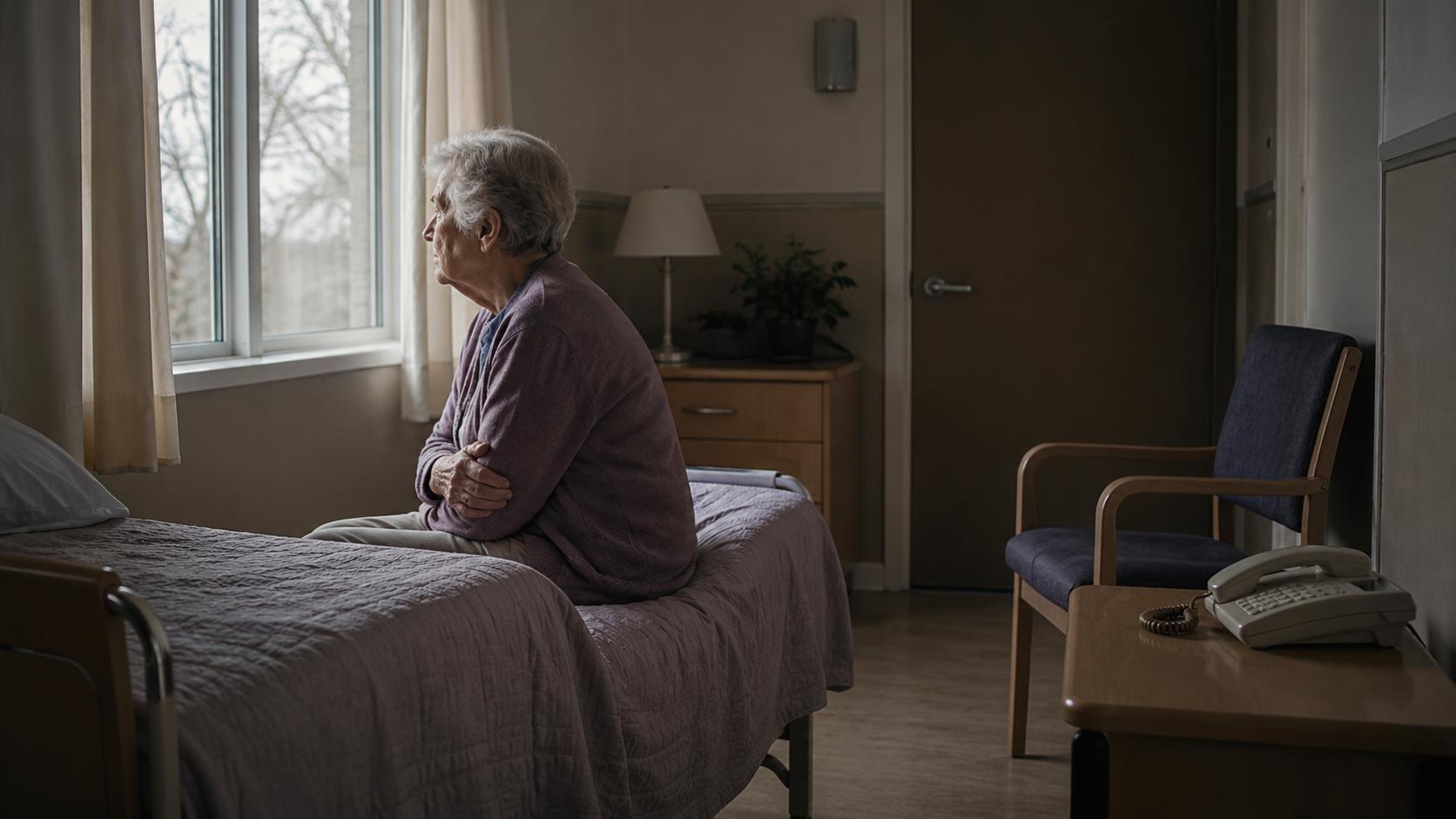
Potential Effects of Psychological Elder Abuse
Psychological abuse can have serious consequences even when no physical force is used. Depending on the resident and the duration of the mistreatment, its effects may include:
- Anxiety and panic
- Depression
- Social withdrawal
- Loss of appetite
- Sleep disturbances
- Reduced self-esteem
- Increased confusion
- Loss of trust
- Worsening behavioral symptoms
- Declining physical health
- Fear of requesting necessary care
- Thoughts of self-harm or suicide
Emotional abuse may also aggravate existing medical conditions. For example, a frightened resident may avoid asking for medication, toileting assistance, food, water, repositioning, or help getting out of bed because they fear being yelled at or punished.
What to Do If You Suspect Psychological Abuse
When a resident appears to be in immediate danger, call 911 or local law enforcement. Do not confront an alleged abuser in a way that could increase the risk of retaliation before the resident is protected.
For concerns that do not involve an immediate emergency, families can take the following steps.
Document What You Observe
Create a written timeline that includes dates, times, locations, names, statements, and behavioral changes. Record the resident’s exact words whenever possible.
Preserve relevant evidence such as:
- Photographs or videos lawfully obtained
- Emails and text messages
- Written complaints
- Care plans
- Medical records
- Medication records
- Visitor logs
- Staff names and schedules
- Facility correspondence
- Notes from family visits
- Names of potential witnesses
Detailed, contemporaneous records can help regulators, law enforcement, medical providers, and attorneys evaluate what occurred.
Request a Medical and Psychological Evaluation
A physician or mental health professional may be able to determine whether the resident’s symptoms are connected to depression, medication, illness, cognitive decline, trauma, or another cause. The evaluation may also document changes in the resident’s emotional or physical condition.
Families should request that concerns about suspected abuse be entered into the resident’s medical record. They should also retain copies of records and written recommendations.
Report the Abuse to the Appropriate Agency
California’s Long-Term Care Ombudsman Program investigates complaints involving residents of long-term care facilities. Its services are free, and complaints are treated confidentially.
For suspected abuse in a licensed nursing home, rehabilitation center, intermediate care facility, or adult day health care program, California directs individuals to contact the local Long-Term Care Ombudsman, the statewide CRISISline at 1-800-231-4024, local law enforcement, or the appropriate California Department of Public Health district office.
California also requires many care custodians, healthcare professionals, facility employees, and others responsible for elder care to report known or suspected abuse. Mandated reporters generally must make a telephone report as soon as possible and submit a written report within two working days.
Notify Facility Management in Writing
Report the concern to the nursing home administrator, director of nursing, or another appropriate supervisor. Submit the complaint in writing and retain a copy.
Ask the facility to explain:
- How it will protect the resident
- Whether the accused employee has been removed from resident contact
- How the complaint will be investigated
- Whether relevant video, records, and schedules will be preserved
- When the family will receive a response
- Whether the incident has been reported to required agencies
Nursing homes have responsibilities to investigate alleged abuse and report certain incidents to the appropriate authorities.
Consider Moving the Resident
In serious cases, transferring the resident may be necessary to protect their safety. However, families should consider medical needs, transfer requirements, available beds, payment issues, and the potential effect of relocation.
An attorney, ombudsman representative, physician, or care manager may help the family evaluate the safest course of action.
Taking Legal Action for Psychological Abuse in Elderly Residents
Families may be able to pursue legal action when a nursing home, caregiver, administrator, management company, or other responsible party causes or permits psychological harm. The available claims depend on the facts, the parties involved, the harm suffered, and applicable California law.
A nursing home abuse case may involve allegations such as:
- Elder abuse
- Negligence
- Negligent hiring or supervision
- Violation of resident rights
- Intentional infliction of emotional distress
- Failure to protect a resident
- Failure to report or investigate abuse
- Wrongful death when abuse contributes to a resident’s death
Potential compensation may address medical treatment, psychological care, pain, emotional suffering, relocation costs, and other legally recoverable losses. The exact remedies vary by case, and no result can be guaranteed.
Speaking with an elder abuse attorney can help a family understand whether the available evidence supports a claim, which parties may be responsible, and what filing deadlines may apply. Seeking advice promptly can also help preserve records, surveillance footage, staffing documents, and witness testimony before evidence disappears.
How Peck Law Corporation Helps Southern California Families
Peck Law Corporation is based in Simi Valley and represents individuals and families throughout Southern California in elder abuse and nursing home abuse matters. Our experienced attorneys help families investigate suspected mistreatment, understand their legal rights, preserve evidence, and pursue accountability from facilities and other responsible parties.
We handle injury-related cases on a contingency-fee basis, meaning clients do not pay attorney fees unless compensation is recovered. Peck Law Corporation does not handle cases involving financial abuse. Our practice focuses on injury-related elder abuse and nursing home abuse claims, including matters involving psychological harm, neglect, physical injuries, and wrongful death.
Protect Your Loved One and Speak With an Elder Abuse Attorney. Contact Peck Law Corporation Today
The signs of psychological abuse in elderly nursing home residents can be subtle, but they should never be dismissed. Sudden fear, withdrawal, depression, agitation, loss of confidence, restricted communication, and unusual reactions to caregivers may indicate that a resident is being threatened, humiliated, isolated, or emotionally harmed.
Taking prompt action can protect your loved one and prevent further mistreatment. Document your concerns, report suspected abuse to the appropriate authorities, and seek legal guidance about your family’s options. Contact Peck Law Corporation today for a free legal consultation with an experienced Southern California elder abuse and nursing home abuse attorney.
This article provides general information and does not constitute legal advice. Legal rights and reporting obligations depend on the specific circumstances of each case.
Frequently Asked Questions
What are the most common signs of psychological abuse in elderly patients?
Common signs of psychological abuse in elderly patients include sudden withdrawal, anxiety, depression, fearfulness, agitation, low self-esteem, and unusual changes in behavior. A resident may also become silent or visibly uncomfortable around a particular caregiver.
Can isolation be a form of psychological abuse in elderly residents?
Yes, deliberately preventing a resident from contacting family, friends, advocates, or other residents may be a form of psychological abuse. Isolation can increase emotional distress and make it easier for other types of nursing home abuse to remain hidden.
How should families document signs of psychological abuse in elderly residents?
Families should keep a detailed written timeline that includes dates, times, names, statements, and specific behavioral changes. They should also preserve emails, complaints, medical records, photographs, staff information, and the names of possible witnesses.
Should I report suspected psychological abuse if I am not certain it occurred?
You do not need to conduct your own investigation or prove that abuse occurred before reporting a reasonable concern. Appropriate authorities can review the allegations, interview those involved, and determine whether further action is necessary.
%20(1).avif)