.avif)
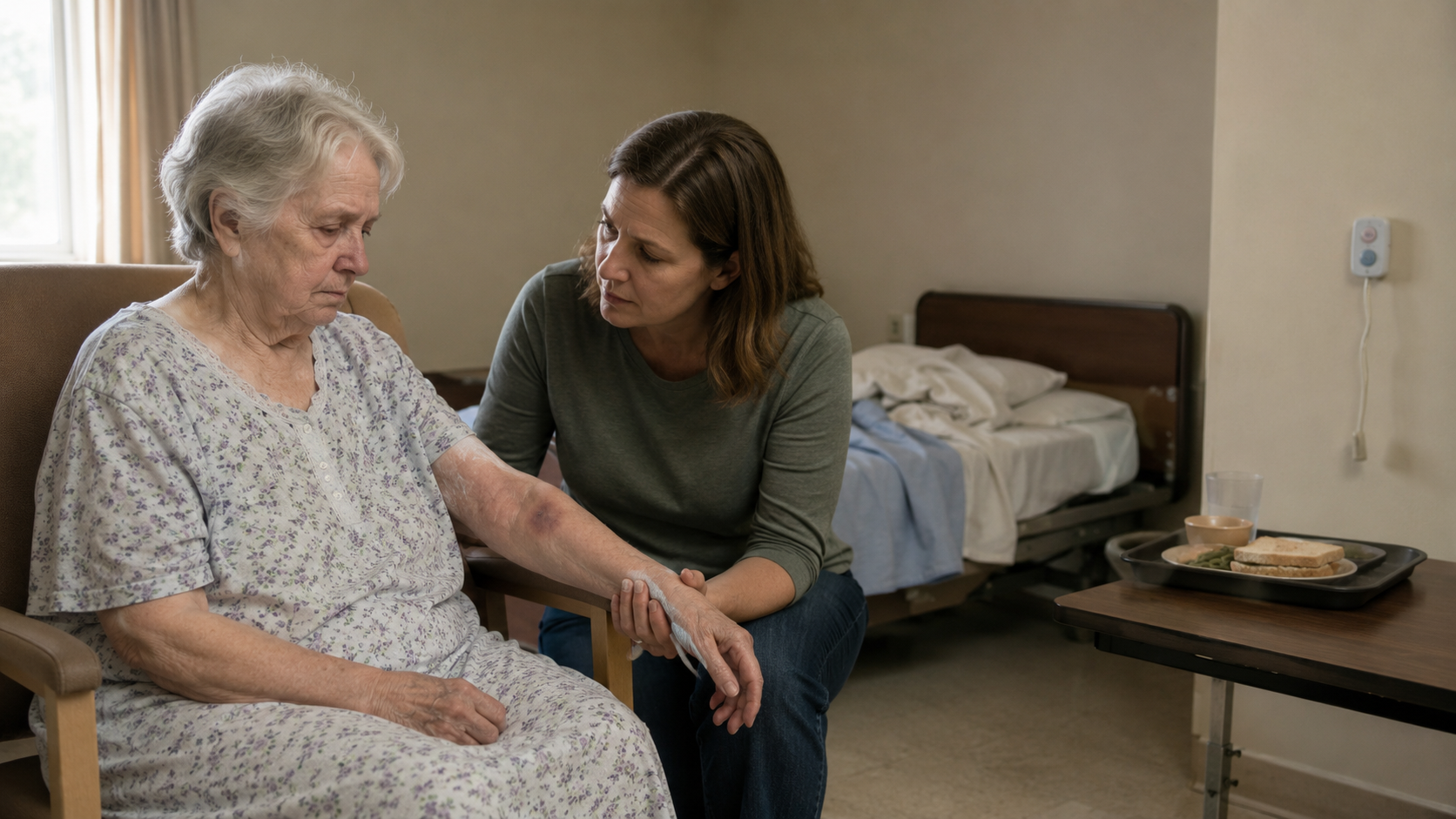
When a loved one enters a nursing home, assisted living community, or other long-term care facility, families expect that person to receive safe, attentive, and respectful care. Unfortunately, mistreatment can occur even in facilities that appear professional and well managed from the outside.
Recognizing examples of nursing home abuse can help families identify troubling changes before a resident suffers additional harm. Abuse does not always involve an obvious physical assault. It may involve intimidation, improper restraint, sexual misconduct, isolation, or deliberate mistreatment. Neglect can be equally dangerous when residents do not receive adequate supervision, hygiene assistance, nutrition, medication, mobility support, or medical attention.
Below are common examples of abuse and neglect in nursing homes, along with warning signs that family members and visitors should take seriously.
1. Hitting, Slapping, Pushing, or Other Physical Abuse
Physical abuse occurs when someone intentionally uses force that causes an older adult pain, injury, or physical harm. It can include obvious acts of violence as well as rough handling by staff members or caregivers.
Common examples may include:
- Hitting or slapping a resident
- Shoving or pushing a resident
- Kicking or striking a resident
- Pinching or grabbing a resident forcefully
- Handling a resident roughly during bathing, dressing, transfers, or repositioning
- Deliberately causing burns or other injuries
Physical abuse can sometimes be difficult to detect, particularly when a resident has communication difficulties, dementia, or another condition that makes it hard to explain what happened.
Warning Signs of Physical Abuse
Watch for:
- Unexplained bruises, cuts, burns, or scars
- Injuries in different stages of healing
- Repeated falls without a reasonable explanation
- Injuries that do not match the explanation provided by staff
- Sudden fearfulness around a particular caregiver
- Flinching or appearing anxious when someone approaches
- Unexplained emergency room visits or hospitalizations
Unexplained injuries and physical signs of punishment or restraint can be warning signs of elder abuse.
2. Improper or Excessive Use of Restraints
Another potentially serious example of nursing home abuse involves restraining a resident unnecessarily or inappropriately.
Physical restraints may prevent someone from moving freely. In other situations, medication may be improperly used to sedate or control a resident rather than to address a legitimate medical need.
Examples can include:
- Tying or securing a resident to a bed or chair without proper justification
- Using restrictive equipment improperly
- Confining a resident to a room
- Preventing a resident from getting out of bed unnecessarily
- Using medication primarily to make a resident easier to manage
- Administering excessive medication that leaves a resident unusually sedated
Warning Signs of Improper Restraint
Possible signs include:
- Bruising around the wrists or ankles
- Pressure marks
- Unusual sleepiness or confusion
- A dramatic change in alertness
- Sudden difficulty walking or communicating
- Family members being given unclear explanations for medication changes
Federal guidance recognizes unreasonable confinement and certain forms of restraint as potential forms of abuse.
3. Verbal and Emotional Abuse
Not all examples of abuse in nursing homes leave visible injuries. Emotional and psychological abuse can cause fear, humiliation, anxiety, and significant mental suffering.
This type of mistreatment may include:
- Yelling or screaming at residents
- Insulting or belittling them
- Mocking a resident's disability or cognitive impairment
- Threatening punishment
- Intimidating a resident
- Deliberately ignoring a resident as punishment
- Humiliating residents in front of others
- Threatening to withhold care, meals, medications, or privileges
Emotional abuse may be especially difficult for families to recognize because residents sometimes become afraid to discuss what is happening.
Warning Signs of Emotional or Psychological Abuse
Look for changes such as:
- Sudden withdrawal from family or activities
- Increased anxiety or agitation
- Depression or unusual sadness
- Fear of certain employees
- Rocking, mumbling, or other signs of distress
- Refusing to speak when a caregiver is present
- Changes in sleep
- A normally social resident becoming unusually quiet
Changes in behavior, withdrawal, agitation, fear, and other signs of trauma can accompany elder mistreatment.
4. Sexual Abuse or Unwanted Sexual Contact
Sexual abuse involves unwanted sexual contact or activity involving a nursing home resident. Residents with dementia, cognitive impairment, physical disabilities, or communication difficulties can be particularly vulnerable because they may have difficulty understanding, resisting, or reporting misconduct.
Examples may include:
- Unwanted touching
- Sexual assault
- Coerced sexual activity
- Sexual harassment
- Forced nudity
- Taking sexually explicit photographs without consent
- Sexual contact with someone who cannot legally or meaningfully consent
Perpetrators may include employees, caregivers, visitors, or other residents.
Warning Signs of Sexual Abuse
Possible warning signs include:
- Unexplained bruising around intimate areas
- Torn or bloody undergarments
- Unexplained pain or bleeding
- Sexually transmitted infections
- Sudden fear of a caregiver or another resident
- Emotional withdrawal
- Abrupt behavioral or mood changes
A resident who cannot clearly describe what happened should not automatically be dismissed. Sudden physical or behavioral changes deserve careful attention.
5. Bedsores Caused by Inadequate Repositioning or Care
Pressure injuries, commonly called bedsores or pressure ulcers, can develop when someone remains in one position for prolonged periods. Residents with limited mobility may require regular repositioning, skin monitoring, adequate nutrition, hydration, and appropriate wound care.
A bedsore does not automatically prove neglect. However, the development or worsening of preventable pressure injuries can raise serious questions about whether appropriate care was provided.
Examples of potentially negligent care include:
- Failing to reposition an immobile resident appropriately
- Failing to inspect vulnerable areas of the skin
- Ignoring an existing pressure injury
- Delaying wound treatment
- Failing to follow a resident's care plan
- Allowing a wound to become infected without adequate intervention
Warning Signs of Pressure-Sore Neglect
Families should watch for:
- Red or discolored areas that do not improve
- Open wounds
- Increasing wound size or depth
- Drainage or foul odors
- Signs of infection
- Bandages that appear dirty or are not changed regularly
- Staff members refusing to discuss a wound
Preventable bedsores are specifically identified as a potential warning sign of elder neglect.
6. Failure to Provide Adequate Food or Water
Nursing home residents often depend on staff for meals, fluids, feeding assistance, and monitoring. Residents with swallowing difficulties, mobility limitations, dementia, or certain medical conditions may require even more assistance.
Neglect may occur when staff fail to provide adequate nutrition or hydration or fail to help a resident consume what has been provided.
Examples include:
- Leaving meals where a resident cannot reach them
- Failing to provide feeding assistance
- Ignoring dietary requirements
- Failing to monitor significant weight loss
- Providing insufficient fluids
- Ignoring signs of dehydration
- Repeatedly serving food a resident cannot safely eat
Warning Signs of Nutrition or Hydration Neglect
Look for:
- Unexplained weight loss
- Dry mouth or cracked lips
- Weakness or dizziness
- Unusual fatigue
- Increased confusion
- Repeated dehydration
- Residents frequently saying they are hungry or thirsty
- Untouched meal trays without explanation
A failure to provide food, water, or other necessities to someone who depends on caregivers can constitute neglect.
7. Medication Errors and Failure to Administer Medication
Many nursing home residents take multiple prescriptions and rely entirely on staff members to administer them correctly.
Medication-related neglect may involve:
- Missing scheduled doses
- Giving the wrong medication
- Administering an incorrect dosage
- Giving medication at the wrong time
- Failing to refill medication
- Failing to communicate significant medication changes
- Ignoring dangerous side effects
- Improperly overmedicating or undermedicating a resident
California's Adult Protective Services guidance recognizes overmedicating and undermedicating an elder as potential forms of physical abuse.
Warning Signs of Medication Problems
Watch for:
- Sudden excessive sedation
- New confusion
- Unexplained changes in behavior
- Significant changes in blood pressure or other medical conditions
- Repeated missed doses
- Unexpected hospitalizations
- Unexplained medication changes
One medication error does not necessarily establish abuse or neglect. Repeated problems, unexplained changes, or serious injuries associated with medication management may warrant further investigation.
8. Poor Hygiene and Failure to Provide Personal Care
Residents who cannot independently bathe, dress, use the restroom, brush their teeth, or change clothes depend on staff for basic personal care.
Neglect may occur when staff repeatedly fail to provide that assistance.
Examples include:
- Leaving residents in soiled clothing
- Failing to change adult briefs
- Infrequent bathing
- Failing to provide oral hygiene
- Allowing bedding to remain soiled
- Failing to groom residents
- Ignoring skin irritation caused by prolonged exposure to urine or feces
Warning Signs of Hygiene Neglect
Potential warning signs include:
- Strong urine or fecal odors
- Dirty clothing
- Matted or unwashed hair
- Poor oral hygiene
- Soiled bedding
- Skin irritation
- Rashes
- Recurrent infections
- A resident whose appearance deteriorates significantly
Unclean living conditions and poor personal hygiene can be important indicators that an older adult's basic needs are not being met.
9. Failure to Prevent Falls
Many nursing home residents are at increased risk of falling because of mobility limitations, medication side effects, cognitive impairment, poor balance, or weakness.
Facilities should assess residents' individual risks and provide appropriate assistance and supervision. A fall alone does not necessarily mean that abuse or neglect occurred. However, repeated preventable falls can raise concerns.
Examples of possible neglect may include:
- Leaving a high-risk resident unattended during transfers
- Failing to respond to call lights
- Failing to provide prescribed mobility assistance
- Ignoring a documented fall risk
- Leaving clutter or hazards in walkways
- Failing to provide appropriate supervision
- Failing to reassess a resident after repeated falls
Warning Signs of Fall-Related Neglect
Pay attention to:
- Repeated unexplained falls
- New bruises or fractures
- Head injuries
- Staff members providing inconsistent descriptions of an incident
- A lack of documentation about what occurred
- No meaningful changes to a care plan after repeated falls
10. Failure to Provide Necessary Medical Care
Nursing home residents may have chronic conditions or complex medical needs requiring ongoing observation. A resident's health can decline rapidly if warning signs are ignored.
Examples of medical neglect may include:
- Failing to notify a physician about a significant change in condition
- Delaying emergency medical treatment
- Ignoring signs of infection
- Failing to treat wounds
- Failing to respond to severe pain
- Ignoring breathing difficulties
- Failing to follow physician orders
- Failing to arrange necessary medical evaluations
Neglect can include withholding or failing to provide needed health care.
Warning Signs of Medical Neglect
Look for:
- Untreated infections
- Rapid deterioration in health
- Repeated hospitalizations
- Uncontrolled pain
- Worsening wounds
- Delayed treatment after an injury
- Staff dismissing significant symptoms
- A family repeatedly asking for medical attention without a meaningful response
11. Leaving Residents Unsupervised When They Need Assistance
Some residents cannot safely be left alone because they are at risk of wandering, falling, choking, becoming disoriented, or otherwise injuring themselves.
Examples of possible neglect include:
- Leaving a resident with severe dementia unattended
- Failing to supervise a resident known to wander
- Leaving residents unattended during meals when they require feeding assistance
- Failing to supervise transfers
- Leaving a resident alone after staff know that person is medically unstable
Abandonment can also occur when someone responsible for an older adult's care leaves that person without making arrangements for necessary assistance.
Warning Signs of Inadequate Supervision
Possible indicators include:
- Frequent wandering incidents
- Residents found in unsafe locations
- Repeated falls
- Unexplained injuries
- Residents repeatedly calling for help without a response
- Long periods in which no staff appear to be available
12. Social Isolation and Preventing Family Contact
Isolation can sometimes become a form of mistreatment, particularly if a resident is deliberately prevented from communicating with family members, friends, or other people who could recognize abuse.
Examples include:
- Refusing reasonable visits
- Preventing a resident from making phone calls
- Withholding mail
- Intentionally keeping a resident away from other people
- Threatening a resident for speaking with family members
- Closely supervising conversations in an intimidating manner
Preventing an older adult from receiving visitors, telephone calls, or mail can be a form of isolation under California elder-abuse guidance.
Warning Signs of Isolation
Be alert if:
- Staff repeatedly discourage unscheduled visits
- You suddenly cannot reach your loved one
- A resident says they are not allowed to call you
- Staff insist on being present during every conversation
- The resident becomes unusually reluctant to discuss their care
- Your loved one appears frightened after speaking with staff
13. Ignoring Calls for Help
Residents often rely on call buttons or other alert systems because they cannot safely move around without assistance.
Repeatedly ignoring a resident's requests for help may place that individual at risk.
Examples can include failing to respond when someone needs:
- Help using the bathroom
- Assistance getting out of bed
- Medication
- Water
- Pain relief
- Help after a fall
- Emergency medical attention
Warning Signs
Families may notice:
- Call lights sounding for long periods
- Residents saying staff routinely ignore them
- Residents attempting unsafe transfers because no one responds
- Soiled clothing or bedding caused by delayed toileting assistance
- Staff appearing chronically unavailable
14. Staff-to-Resident Bullying, Threats, or Punishment
Some examples of nursing home abuse involve staff members using their authority to frighten, control, or punish residents.
This might include:
- Threatening to withhold food
- Threatening to delay bathroom assistance
- Telling residents they will be "in trouble" for complaining
- Intimidating residents who contact family members
- Ridiculing residents in front of others
- Retaliating against someone who raises concerns
Residents depend on staff for many basic needs, which can make threats particularly frightening.
A resident who suddenly becomes afraid to complain, stops asking for assistance, or asks family members not to "cause trouble" may be trying to communicate that something is wrong.
15. Resident-to-Resident Abuse That the Facility Fails to Address
Abuse in nursing homes is not always committed by employees. Residents can harm other residents as well.
Facilities must take reasonable steps to recognize risks and protect residents when aggressive or inappropriate behavior is known or foreseeable.
Examples may include:
- One resident repeatedly striking another
- Sexual contact involving a resident who cannot consent
- Threatening or bullying behavior
- Aggressive wandering into other residents' rooms
- Repeated altercations that staff fail to address
Warning Signs
Potential indicators include:
- Unexplained injuries involving another resident
- A resident becoming afraid of a roommate
- Repeated complaints about aggressive behavior
- Requests for a room change being ignored
- Staff describing repeated incidents as simply "part of dementia" without taking appropriate protective measures
16. Unsafe or Unsanitary Living Conditions
Nursing homes are responsible for maintaining an environment that does not unnecessarily expose residents to danger.
Examples of possible neglect include:
- Dirty rooms or bathrooms
- Persistent urine or fecal odors
- Unsafe flooring
- Broken equipment
- Inadequate temperature control
- Poorly maintained beds or wheelchairs
- Lack of clean linens
- Unaddressed infection-control concerns
Hazardous, unsafe, or unclean living conditions are recognized warning signs of elder neglect.
Warning Signs
A single messy room may not indicate widespread neglect. More concerning patterns include:
- Repeated sanitation problems
- Dirty bedding during multiple visits
- Strong odors throughout the facility
- Broken equipment remaining unrepaired
- Residents consistently appearing dirty or poorly cared for
- Staff shortages appearing to interfere with basic care
17. Failure to Treat Infections Promptly
Older adults can be especially vulnerable to infections, and delayed treatment may lead to serious complications.
Potential examples of neglect include failing to respond appropriately to signs of:
- Urinary tract infections
- Pneumonia
- Infected pressure wounds
- Skin infections
- Respiratory infections
- Sepsis
Warning Signs
Families should take unexplained symptoms seriously, particularly:
- Fever
- Sudden confusion
- Severe weakness
- Difficulty breathing
- Rapid decline
- Redness, swelling, drainage, or foul odors around wounds
- Repeated infections without an adequate explanation or treatment plan
18. Neglect Caused by Chronic Understaffing or Poor Supervision
Individual caregivers are not the only potential source of problems. In some cases, broader facility practices may contribute to neglect.
When too few qualified staff members are available to safely meet residents' needs, problems may include:
- Delayed responses to call lights
- Missed repositioning
- Inadequate bathing
- Delayed meals
- Medication mistakes
- Unsupervised residents
- Poor wound monitoring
- Rushed transfers that result in falls
- Failure to recognize changes in a resident's condition
Staffing concerns should be evaluated alongside what is actually happening to a resident. A recurring inability to meet basic care needs can be more concerning than one isolated delay.
What Should You Do if You Suspect Nursing Home Abuse or Neglect?
If you believe a resident may be in immediate danger, prioritize the person's safety and seek emergency assistance when necessary.
Families can also take practical steps to document their concerns. Depending on the circumstances, that may include:
- Photographing visible injuries or unsafe conditions
- Writing down dates and descriptions of concerning events
- Recording the names of staff members involved
- Keeping copies of medical records and care plans
- Asking the facility for an explanation in writing
- Documenting changes in the resident's physical or emotional condition
- Preserving emails, text messages, and other communications
- Reporting suspected mistreatment to the appropriate authorities
Do not assume that you have to personally prove exactly what occurred before raising a legitimate concern. The purpose of reporting and investigation is to determine what happened and whether additional protective action is necessary.
Peck Law Corporation Represents Nursing Home Abuse and Neglect Victims Across Southern California
Peck Law Corporation is based in Simi Valley, California, and represents individuals and families in elder abuse and nursing home abuse and neglect matters throughout Southern California. The firm handles injury-related claims involving serious physical abuse, neglect, psychological harm, nursing home injuries, and wrongful death.
We understand that families dealing with suspected nursing home mistreatment are often facing medical expenses, uncertainty, and significant emotional stress at the same time. Peck Law Corporation handles all injury-related cases on a contingency fee basis, meaning clients do not pay upfront attorney's fees and the firm is paid only if compensation is recovered.
Our practice focuses on injury-related elder abuse and nursing home abuse cases. Peck Law Corporation does not handle cases involving financial abuse.
Contact Peck Law Corporation for a Free Legal Consultation
Recognizing the examples of nursing home abuse described above can be an important first step toward protecting someone you love. Unexplained injuries, worsening bedsores, medication problems, dehydration, repeated falls, fear of caregivers, poor hygiene, or other unexplained changes may deserve closer attention.
You do not have to determine on your own whether a nursing home or caregiver is legally responsible before speaking with an attorney.
If you believe your loved one has suffered physical abuse, neglect, psychological harm, or another injury in a nursing home or long-term care facility, contact Peck Law Corporation today for a free legal consultation.
Frequently Asked Questions
What are the most common examples of nursing home abuse?
Common examples of nursing home abuse include physical assault, verbal intimidation, sexual abuse, improper restraint, overmedication, and deliberate isolation. Abuse may be committed by staff members, caregivers, visitors, or even other residents.
What are common examples of abuse and neglect in nursing homes?
Common examples of abuse and neglect in nursing homes include unexplained injuries, untreated bedsores, dehydration, poor hygiene, medication errors, inadequate supervision, and failure to provide necessary medical care. Neglect often involves a failure to meet a resident’s basic needs, while abuse generally involves intentional mistreatment.
What should I do if I notice examples of nursing home abuse?
If you notice possible examples of nursing home abuse, document injuries, changes in behavior, concerning conditions, and conversations with staff. If the resident is in immediate danger, seek emergency help, and consider reporting the suspected mistreatment to the appropriate authorities and speaking with an experienced nursing home abuse attorney.
When should I contact a nursing home abuse lawyer?
You may want to contact a nursing home abuse lawyer when a resident has suffered unexplained injuries, serious bedsores, repeated falls, dehydration, medication problems, untreated medical conditions, or other signs of mistreatment. An attorney can review the circumstances, help determine whether neglect or abuse may have occurred, and explain the available legal options.
%20(1).avif)