.avif)

What Are Pressure Ulcers?
Pressure ulcers are injuries to the skin and underlying tissue caused by sustained pressure, friction, shear, or excess moisture. Pressure ulcer development occurs when blood flow is reduced to areas of the body pressed against a bed, wheelchair, or other surface for extended periods.
In nursing home settings, risk factors are common. Seniors who are unable to reposition themselves, suffer from poor nutrition or dehydration, or rely on staff for mobility assistance are at higher risk. Understaffing and inadequate care plans often worsen these risks, allowing small skin changes to progress into serious wounds.
Stages of Pressure Ulcers and Why Early Stages Are Often Missed
Pressure ulcers progress through four distinct stages, ranging from mild skin irritation to severe wounds that expose muscle or bone. Understanding each stage helps families identify problems early — before they turn into medical emergencies.
Stage 1: Early Skin Discoloration (Non-Blanchable Redness)
The skin may appear red, blue, or purple and does not lighten when pressed. It may feel warmer, cooler, firmer, or more tender than surrounding areas. This is the earliest warning sign of pressure ulcer development and is completely reversible with prompt care and repositioning.
Stage 2: Skin Breakdown or Blistering
At this stage, the outer layer of skin breaks or forms a shallow open sore. The wound may look like an abrasion or blister and is often painful. Without immediate treatment, bacteria can enter and cause infection.
Stage 3: Deep Tissue Damage
The ulcer extends through the deeper layers of skin and into the fatty tissue beneath. The wound appears as a crater and may have dead tissue at the base. Healing becomes more difficult, requiring medical treatment and constant monitoring.
Stage 4: Severe Tissue Loss and Exposure
This is the most advanced stage, involving extensive damage that may expose muscle, tendon, or bone. The risk of infection, sepsis, and death becomes high. Stage 4 ulcers are medical emergencies that often reflect long-term neglect or inadequate wound care.
Early-stage pressure ulcer development demands diligent monitoring by trained caregivers. With regular skin checks, repositioning, and attention to nutrition and hydration, these wounds are preventable.
When nursing home staff fail to recognize or respond to early signs, a treatable condition can escalate into a life-threatening injury.
Common Signs of Pressure Ulcer Development in Seniors
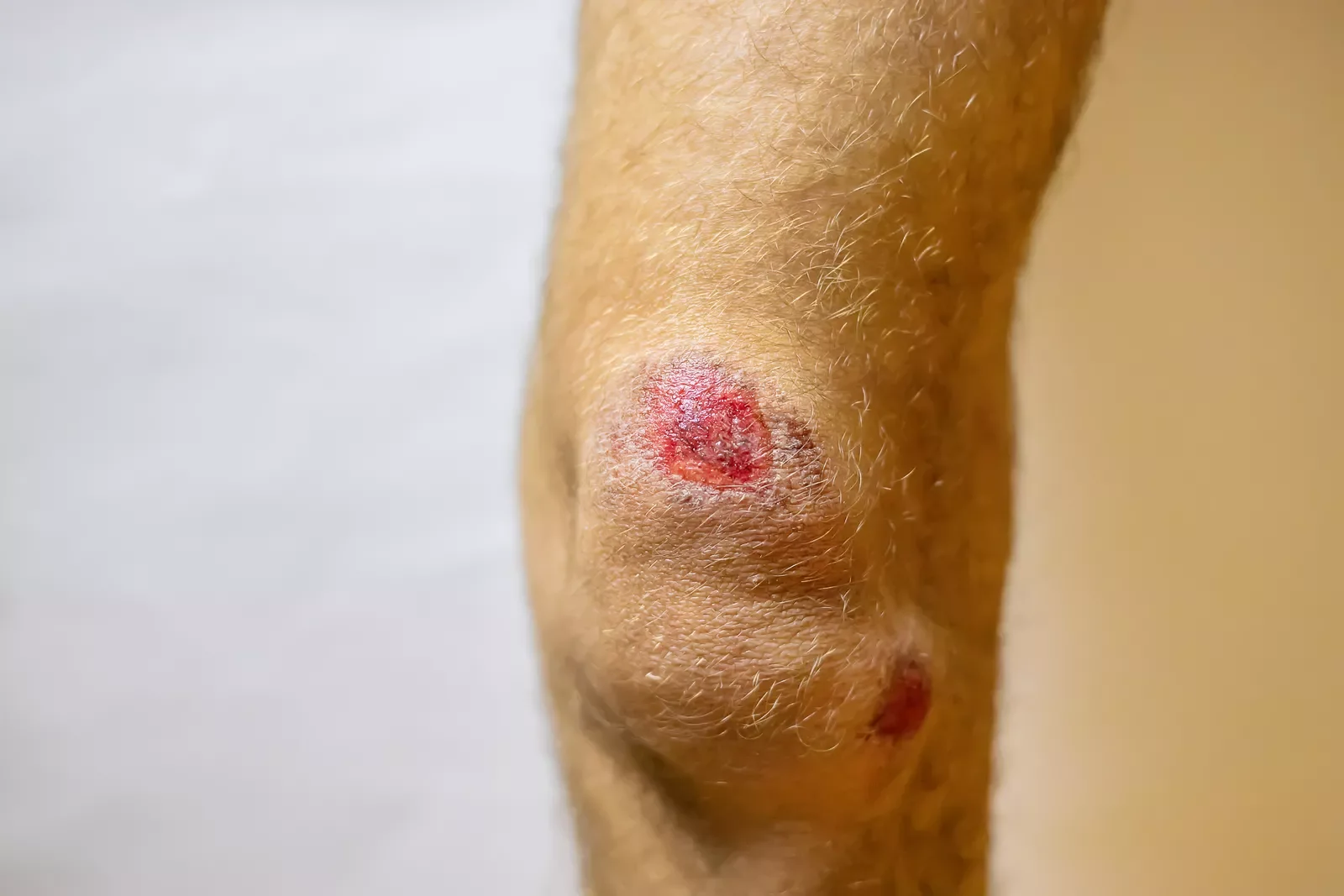
Identifying the signs of pressure ulcer development early can prevent serious harm. Families should pay close attention to any changes in skin condition or comfort.
Skin Discoloration and Persistent Redness
One of the most common early warning signs is skin that appears red, blue, or purple and does not fade when pressed. In darker skin tones, discoloration may appear as deepened hues or unusual shading rather than redness.
Warmth, Coolness, or Changes in Skin Texture
Affected areas may feel warmer or cooler than surrounding skin. The texture may also change, becoming unusually firm, spongy, or mushy to the touch.
Swelling and Inflammation
Localized swelling around bony areas such as the hips, heels, tailbone, shoulders, or ankles can indicate early tissue damage caused by pressure.
Pain, Tenderness, or Sensitivity
Seniors may complain of soreness, burning, or discomfort even when the skin appears intact. Pain in these areas should never be dismissed as normal aging.
Blistering or Open Sores
As pressure ulcer development progresses, discoloration may evolve into blister-like wounds or open sores. This stage requires immediate medical attention.
Foul Odor or Drainage From the Wound
A strong odor or drainage is often a sign of infection and advanced tissue damage. When this occurs, neglect is frequently a contributing factor.
Areas of the Body Most Vulnerable to Pressure Ulcer Development
Pressure ulcers most often form over bony areas of the body where skin and tissue are compressed for long periods. These regions have minimal cushioning and are highly sensitive to poor circulation or prolonged pressure.
Common areas at risk include:
• Tailbone (sacrum): A frequent site of pressure injuries in bedridden residents.
• Heels: Constant contact with bedding can quickly lead to skin breakdown.
• Hips: Pressure from side-lying positions often causes early tissue damage.
• Shoulder blades: Friction from shifting or poor positioning can irritate the skin.
• Ankles and elbows: Thin skin and exposure to hard surfaces make these areas prone to injury.
• Back of the head: Continuous contact with pillows or headrests can result in unnoticed sores.
Wheelchair users may also develop ulcers on the buttocks, spine, or shoulder areas, where constant sitting pressure restricts blood flow.
In well-staffed nursing homes, caregivers routinely check these areas and reposition residents to relieve pressure. When this care is neglected, these same points become sites of preventable pain and infection — often signaling a breakdown in basic caregiving standards.
Why Pressure Ulcer Development Often Indicates Nursing Home Neglect

Most pressure ulcers are entirely preventable with basic nursing care. Routine repositioning, maintaining skin hygiene, ensuring proper nutrition, and monitoring hydration are standard responsibilities in every licensed care facility.
When a resident develops a pressure ulcer, it often reveals systemic failures such as understaffing, lack of medical supervision, or neglect of mobility needs. These lapses reflect not only poor care but also a violation of the legal standards that nursing homes are required to uphold.
When ulcers are left untreated or continue to worsen, it can indicate that staff ignored visible warning signs or failed to follow care plans. In such cases, pressure ulcer development may serve as a clear red flag for nursing home neglect or elder abuse — issues that demand immediate attention and legal action.
What Families Should Do if They Notice Signs of Pressure Ulcer Development
Families should take any sign of a pressure injury seriously, no matter how small it appears. At the first indication of redness, blistering, or open wounds:
1. Document everything. Take clear photographs, note the dates, and record what nursing staff say or do in response.
2. Request a medical evaluation immediately. Ask for a wound assessment from a licensed nurse or physician, and ensure it is recorded in the resident’s chart.
3. Speak directly with supervisors or administrators. Express your concerns in writing and request a formal incident report.
4. Monitor for improvement. If the injury worsens or your concerns are ignored, escalate the issue to Adult Protective Services or seek legal counsel.
Trust your instincts — if something feels wrong, it usually is. Early action can prevent serious harm and ensure your loved one receives the attention and medical care they deserve.
How Peck Law Corporation Supports Victims of Nursing Home Abuse
Peck Law Corporation is a family-run law practice based in Simi Valley, California, dedicated to protecting seniors and holding negligent nursing homes accountable. Our expertise focuses on elder abuse, nursing home neglect, and injury cases involving pressure ulcers.
Peck Law Corporation conducts thorough investigations into facility records, staffing practices, care plans, and medical documentation. By identifying patterns of neglect and failures in care, our firm works to uncover the truth and pursue justice for victims and their families.

Protecting Your Loved One: Contact Peck Law Corporation for Help
Recognizing the signs of pressure ulcer development early can make the difference between recovery and life-threatening injury. These wounds are not inevitable; they are preventable when nursing homes meet their duty of care.
If your loved one has developed a pressure ulcer in a nursing home or assisted living facility, it may be a warning sign of neglect. Take action right away — seek medical evaluation, document what you observe, and demand accountability.
Contact us today for a free consultation. Our experienced elder abuse attorneys will review your case, explain your legal options, and help you hold negligent facilities responsible. Together, we can protect your loved one’s dignity, safety, and right to proper care.
Frequently Asked Questions
What are pressure ulcers?
Pressure ulcers are skin injuries caused by prolonged pressure, often affecting immobile residents.
Are bedsores a sign of poor quality of care?
Yes, they often indicate neglect.
Why are nursing home residents more susceptible to pressure ulcers?
Limited mobility, chronic illness, and inadequate care increase risk.
What responsibilities do nursing homes have in preventing pressure ulcers?
Repositioning residents, maintaining hygiene, and providing proper equipment.
%20(1).avif)