.avif)
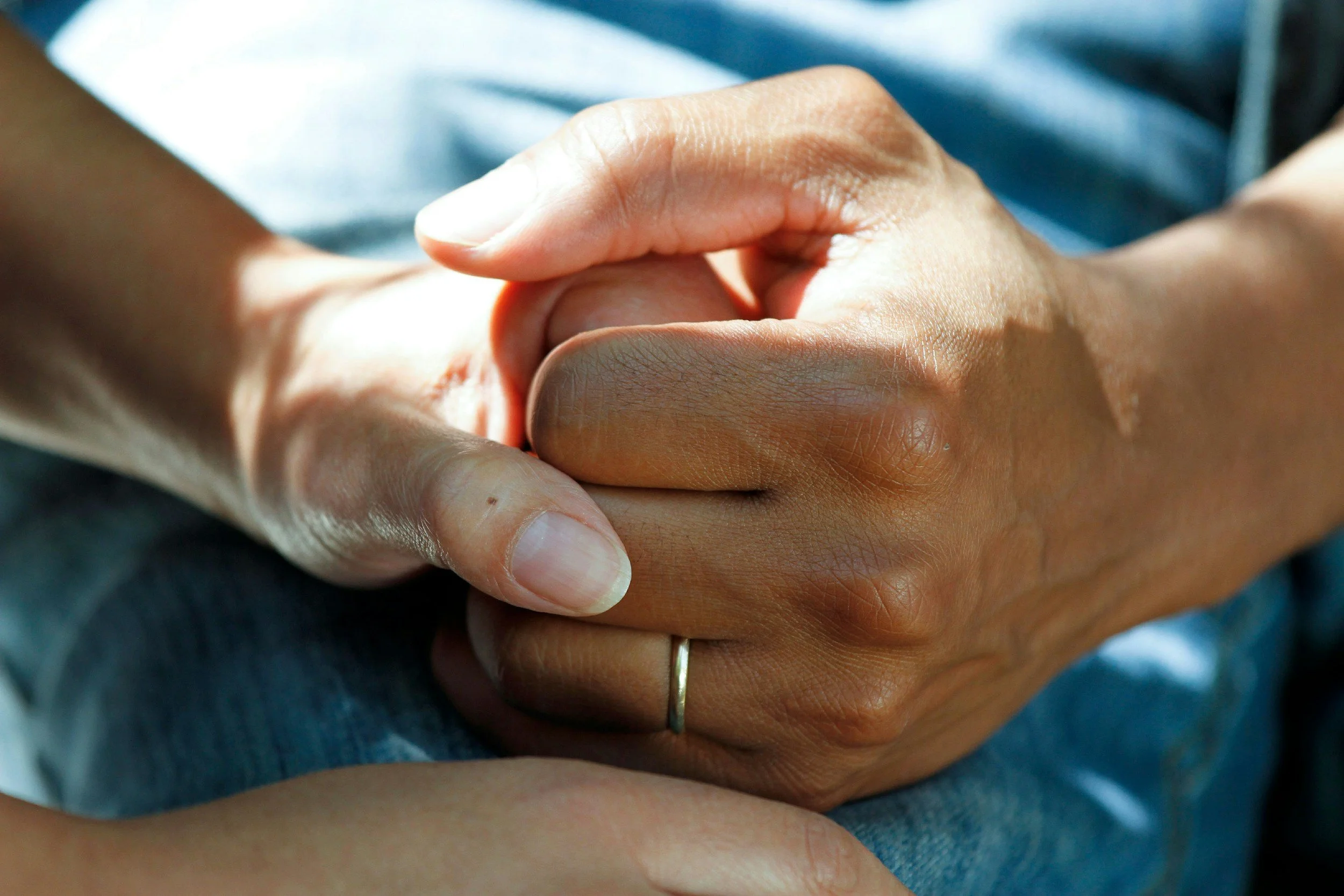
Nursing homes are meant to be safe havens where our loved ones receive the care and attention they need in their golden years. However, instances of nursing home malpractice are alarmingly common, putting vulnerable residents at risk. Recognizing the signs of nursing home malpractice is crucial in ensuring the safety and well-being of elderly family members. This article provides an in-depth overview of the most common signs of malpractice in nursing homes, helping you identify and address potential issues promptly.
Understanding Nursing Home Malpractice
Nursing home malpractice occurs when the standard of care provided to residents falls below acceptable levels, leading to harm or injury. This can be due to negligence, incompetence, or intentional acts of harm by the facility's staff. Identifying malpractice early can prevent further harm and ensure that those responsible are held accountable.
Signs of Nursing Home Malpractice
1. Unexplained Injuries
One of the most telling signs of nursing home malpractice is the presence of unexplained injuries. These can include bruises, fractures, cuts, or burns that staff cannot reasonably explain. Falls, often resulting from inadequate supervision or unsafe conditions, are a common source of such injuries. If your loved one frequently has injuries without satisfactory explanations, it may be time to investigate further.
2. Poor Personal Hygiene
Residents of nursing homes rely on staff for assistance with daily activities such as bathing, dressing, and oral care. Poor personal hygiene, including dirty clothing, untrimmed nails, unwashed hair, and body odor, can indicate neglect. Proper hygiene is essential for maintaining the health and dignity of residents, and consistent lapses are a red flag for malpractice.
3. Weight Loss and Malnutrition
Adequate nutrition and hydration are critical for the elderly, who often have specific dietary needs. Significant and unexplained weight loss, signs of malnutrition, or dehydration can indicate that residents are not receiving proper meals or are being neglected during feeding times. Look for signs such as dry skin, cracked lips, and lethargy.
4. Bedsores and Pressure Ulcers
Bedsores, also known as pressure ulcers, are injuries to the skin and underlying tissue caused by prolonged pressure on the skin. These sores are preventable with proper care, such as regular repositioning of bedridden residents. The presence of bedsores indicates neglect and is a clear sign of nursing home malpractice.
5. Emotional and Psychological Changes
Sudden or unexplained changes in a resident's emotional or psychological state can be indicative of abuse or neglect. Symptoms such as withdrawal, depression, anxiety, fearfulness, or unusual behaviors should not be ignored. These changes may result from mistreatment, isolation, or witnessing abuse of others.
6. Poor Living Conditions
The physical condition of the nursing home itself can be a strong indicator of the quality of care provided. Unsanitary conditions, such as dirty rooms, unclean bathrooms, foul odors, and pests, reflect poorly on the facility's management. Proper maintenance and cleanliness are fundamental to the health and safety of residents.
7. Overmedication or Undermedication
Medication errors are a serious concern in nursing homes. Overmedication, often used to sedate or control difficult residents, can have harmful side effects. Conversely, undermedication, where residents do not receive their prescribed medications, can lead to worsening health conditions. Keep an eye on any unusual changes in behavior or health that might suggest medication misuse.
8. Isolation and Restriction of Movement
Unwarranted isolation or restrictions on a resident's movement can be a sign of abuse. This includes confining residents to their rooms or beds without medical necessity or preventing them from participating in social activities. Isolation can lead to depression and other mental health issues, compounding the harm caused by neglect or abuse.
9. Frequent Infections
Frequent infections, such as urinary tract infections or respiratory infections, can be a sign of neglect. Poor hygiene, inadequate medical care, and unsanitary living conditions contribute to the spread of infections in nursing homes. Consistent medical oversight and hygiene practices are necessary to prevent these issues.
How Peck Law Corporation Can Help
At Peck Law Corporation in Los Angeles, we specialize in personal injury, criminal law, and elder abuse, including nursing home abuse and malpractice. Our boutique law firm is dedicated to advocating for the rights and well-being of our clients. We understand the complexities involved in nursing home malpractice cases and operate on a contingency basis, meaning you pay no fees unless we win your case. Our experienced attorneys are committed to providing personalized and compassionate legal representation to ensure justice is served.

Contact Peck Law Corporation for a Free Consultation
Nursing home malpractice is a serious issue that demands immediate attention. Recognizing the signs of malpractice, such as unexplained injuries, poor personal hygiene, and emotional changes, is the first step in protecting your loved ones. If you suspect that a loved one is a victim of nursing home malpractice, it's crucial to act quickly.
For those living in Southern California, Peck Law Corporation offers expert legal assistance. Contact us for a free consultation to learn more about how we can help you seek justice and ensure the safety and well-being of your loved ones. Your loved one's health and dignity should never be compromised, and we are here to fight for their rights.
Frequently Asked Questions
How prevalent is nursing home malpractice?
Many facilities are cited annually for deficiencies.
What should I do if I suspect nursing home malpractice?
Document concerns and consult an attorney.
What legal options do I have if my loved one is a victim of nursing home malpractice?
Civil lawsuits and regulatory complaints may apply.
What types of compensation are available in nursing home malpractice cases?
Medical costs, pain and suffering, and punitive damages.
%20(1).avif)