.avif)

Discovering or suspecting that an older family member is being abused can leave you unsure of what to do next. Whether the mistreatment is happening at home, in an assisted living community, or in a nursing home, knowing where to report abuse of elderly adults in California can help you act quickly to protect someone who may not be able to protect themselves.
California provides several ways to report suspected elder abuse, but the appropriate agency often depends on where the abuse occurred and whether the older adult is in immediate danger. Families may need to contact Adult Protective Services, the Long-Term Care Ombudsman, law enforcement, a state licensing agency, or more than one organization.
This guide explains the most important options for reporting elderly abuse, the information you should gather before making a report, and the additional steps families can take when abuse or neglect results in an injury.
If an Elderly Adult Is in Immediate Danger, Call 911
The first priority is the older adult's immediate safety.
If you believe an elderly person is being physically attacked, sexually abused, seriously neglected, denied necessary medical treatment, threatened with imminent harm, or otherwise placed in immediate danger, call 911.
California's elder-abuse reporting resources specifically direct people to contact 911 when an older adult is in immediate danger.
Emergency medical treatment may also be necessary if the person has suffered injuries, dehydration, malnutrition, medication problems, infections, falls, or other potentially serious complications.
Do not delay emergency assistance while trying to determine which regulatory agency has jurisdiction. Once the elderly person is safe, additional reports can be made to the appropriate state or local agencies.
Where to Report Abuse of Elderly Adults Living at Home or in the Community
When suspected abuse occurs in an elderly person's private home, apartment, hotel, hospital, or another community setting, one of the primary agencies to contact is Adult Protective Services (APS).
Every California county has an APS agency that assists elderly adults age 60 and older, as well as qualifying dependent adults, who may be experiencing abuse, neglect, or exploitation. County APS agencies can investigate reports and connect vulnerable adults and their families with available services.
How to Contact California Adult Protective Services
California provides a statewide APS reporting number:
Adult Protective Services: 1-833-401-0832
Callers can enter the elderly person's five-digit ZIP code to be connected with the APS office serving that county. The statewide reporting line is available 24 hours a day, seven days a week.
APS may be appropriate when suspected mistreatment includes issues such as:
- Physical abuse
- Neglect
- Abandonment
- Isolation
- Inadequate food, hygiene, or medical care
- Emotional or psychological mistreatment
- Unsafe living conditions
- Other circumstances placing an elderly adult's health or safety at risk
A report may also be made to local law enforcement when criminal conduct is suspected.
Where to Report Elder Abuse in a Nursing Home
The reporting process is different when abuse or neglect occurs in a licensed nursing home, skilled nursing facility, rehabilitation center, intermediate care facility, or adult day health care program.
Families concerned about mistreatment in these facilities have several potential reporting options.
California Long-Term Care Ombudsman
California's Long-Term Care Ombudsman Program helps address complaints involving residents of long-term care facilities.
The statewide Long-Term Care Ombudsman Hotline is:
Families may contact the local Long-Term Care Ombudsman Program or the statewide hotline when they suspect abuse or neglect in a nursing home or other qualifying long-term care setting. Local police or the sheriff's department can also be contacted when the conduct may constitute a crime.
California Department of Public Health
For suspected abuse or neglect in a licensed nursing home, rehabilitation center, intermediate care facility, or adult day health care program, families may also contact the appropriate district office of the California Department of Public Health (CDPH).
CDPH regulates and oversees licensed health care facilities in California. Reporting concerns to the appropriate regulatory agency can be particularly important when a family's allegations involve problems such as inadequate staffing, deficient care, unsafe practices, or recurring neglect.
Where to Report Abuse in Assisted Living or a Residential Care Facility
Assisted living communities and residential care facilities are not necessarily handled by the same regulatory agency as skilled nursing facilities.
If suspected abuse occurs in a:
- Residential care facility for the elderly
- Assisted living facility
- Board and care home
- Adult day program
families can contact the Long-Term Care Ombudsman Program, local law enforcement, or the California Department of Social Services. California lists the Department of Social Services reporting number as:
Because several agencies may potentially have authority over a case, you do not necessarily have to choose only one reporting avenue. Serious allegations may warrant reports to multiple appropriate authorities.
Reporting Elderly Abuse Involving Medi-Cal Providers or Health Care Facilities
California also provides a reporting option through the Department of Justice's Division of Medi-Cal Fraud and Elder Abuse for certain allegations involving care facilities, health care providers, skilled nursing facilities, rehabilitation centers, or elderly and dependent adults receiving Medi-Cal benefits.
The reporting hotline is:
This may be relevant when suspected abuse, neglect, or fraud involves a Medi-Cal provider or occurs within a covered care setting.
When Should You Contact the Police About Elder Abuse?
Families should consider contacting the police or sheriff's department whenever they believe an elderly adult may have been the victim of a crime.
Examples may include suspected:
- Physical assault
- Sexual assault
- Threats or intimidation
- Unlawful restraint
- Serious or intentional neglect
- Abandonment that endangers the elderly person
- Other conduct that places the victim in immediate danger
If the situation is urgent, call 911. If there is no immediate emergency, the local police department or county sheriff's office can generally receive a report and determine whether a criminal investigation is appropriate.
California's elder-abuse resources specifically identify local law enforcement as a reporting option in both community and long-term care settings.
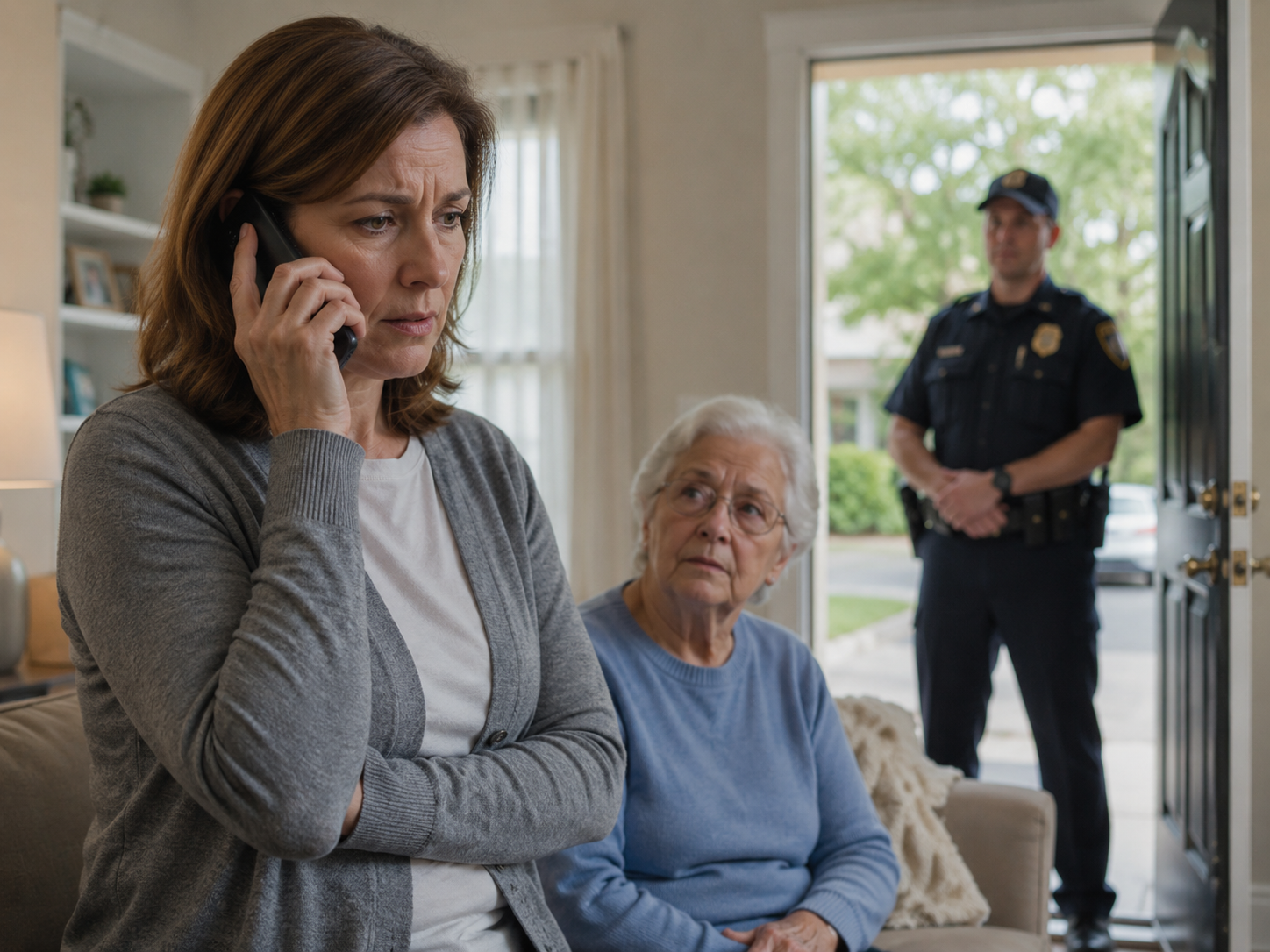
Key Steps for Reporting Elderly Abuse in California
Knowing where to report abuse of elderly adults is important, but families can also take steps that help preserve important information and protect their loved one.
1. Address Immediate Medical and Safety Needs
If the elderly person faces an immediate threat, call 911. Seek appropriate medical care for injuries or significant changes in the person's condition.
If the individual lives in a facility and you believe remaining there creates an immediate danger, discuss safe alternatives with appropriate authorities, medical providers, or legal counsel.
2. Document What You Observe
Write down what happened while the details are fresh.
Useful information can include:
- Dates and approximate times
- Names of caregivers or staff members involved
- The elderly person's statements
- Visible injuries
- Changes in health or behavior
- Missed treatments or medications
- Unsanitary conditions
- Names of potential witnesses
- Previous complaints made to the facility
- Names of administrators or supervisors contacted
When appropriate and lawful, photographs of visible injuries or unsafe conditions may also help preserve evidence.
3. Obtain Appropriate Medical Attention
Medical treatment serves two purposes: protecting your loved one's health and creating documentation of injuries or medical complications.
Tell medical professionals about your concerns when relevant so they have an accurate understanding of what may have happened.
4. Report the Abuse to the Correct Agency
Where the elderly person lives will usually determine the best initial reporting agency:
- Private home or community setting: Adult Protective Services
- Nursing home or skilled nursing facility: Long-Term Care Ombudsman, California Department of Public Health, and potentially law enforcement
- Assisted living or residential care facility: Long-Term Care Ombudsman, California Department of Social Services, and potentially law enforcement
- Immediate danger or suspected serious criminal conduct: 911 or local law enforcement
- Certain Medi-Cal-related abuse or neglect: California Department of Justice, Division of Medi-Cal Fraud and Elder Abuse
More than one report may be appropriate depending on the circumstances.
5. Keep Copies of Important Records
Preserve whatever records are available to you, including:
- Medical records
- Photographs
- Facility correspondence
- Emails and text messages
- Written complaints
- Care plans
- Medication information
- Discharge paperwork
- Incident reports
- Witness contact information
Do not alter original records.
6. Consider Speaking With an Elder Abuse Lawyer
A government investigation and a civil elder-abuse claim serve different purposes.
Reporting suspected abuse can help alert authorities and regulators to dangerous conditions. When abuse or neglect has caused an injury, a civil claim may also allow the victim or family to pursue accountability and compensation from responsible parties.
An attorney can review what happened, identify potentially responsible parties, help preserve evidence, and determine whether the circumstances support a legal claim.
What Happens After Reporting Elderly Abuse to Adult Protective Services?
APS investigates reports concerning elderly and qualifying dependent adults in community settings. Its services can include responding to reports of suspected abuse or neglect, investigating the allegations, helping stabilize dangerous circumstances, and connecting the elderly person or family with community resources.
Families should understand that confidentiality requirements can limit what APS is permitted to tell the person who initially made the report about the outcome of an investigation.
That does not mean families have to stop protecting their loved one while an investigation is pending. Continue documenting significant developments, seek medical treatment when needed, and report new emergencies or suspected criminal conduct to the appropriate authorities.
Can You Report Elder Abuse If You Are Not Certain What Happened?
You do not necessarily need to personally witness abuse before raising a legitimate concern.
Elder abuse and neglect frequently take place behind closed doors or involve elderly adults who cannot clearly explain what occurred because of illness, disability, fear, or cognitive impairment.
If circumstances raise a reasonable concern about someone's safety, families can provide the information they have to the appropriate agency. Investigators can then determine what additional inquiry is needed.
When reporting elderly abuse, avoid exaggerating or guessing. Instead, describe specific observations:
- What did you see?
- What did the elderly person tell you?
- When did it occur?
- Who was present?
- What injuries or health changes developed?
- What explanation did the caregiver or facility provide?
- Why does that explanation concern you?
Clear facts are generally more useful than conclusions.
How Peck Law Corporation Helps Families in Southern California
Peck Law Corporation is based in Simi Valley, California, and represents injured people and families throughout Southern California. Our attorneys handle elder abuse and nursing home abuse matters involving serious injuries caused by neglect, mistreatment, and failures in care.
We understand how difficult it can be for a family to learn that a parent, grandparent, spouse, or other loved one may have been harmed by the people entrusted with their care. We can investigate the circumstances, review available evidence, identify potentially responsible parties, and pursue appropriate compensation when the facts support an injury-related claim.
For all injury-related cases, including qualifying elder abuse and nursing home abuse claims, Peck Law Corporation works on a contingency fee basis. There are no upfront attorney fees, and we are paid only if we obtain a recovery for you.
Our firm serves families throughout Southern California, including communities across Ventura, Los Angeles, Riverside, San Bernardino, Orange County, and San Diego counties and other areas we serve.
Peck Law Corporation does not accept cases involving financial elder abuse. Our practice in this area is focused on abuse and neglect that causes physical injuries and other compensable harm.

Suspect Elder Abuse? Contact Peck Law Corporation for a Free Consultation Today
Learning where to report abuse of elderly adults in California is an important first step, but protecting a loved one may require more than filing a report. Address immediate safety concerns, obtain appropriate medical care, document what happened, preserve available evidence, and make reports to the agencies responsible for the setting where the abuse occurred.
When abuse or neglect has caused a serious injury, Peck Law Corporation is ready to help your family understand its legal options.
Our Simi Valley-based elder abuse and nursing home abuse lawyers represent injury victims and families throughout Southern California, and we handle injury-related cases on a contingency fee basis. You pay no attorney fees unless we obtain a recovery for you.
If you believe your parent, grandparent, spouse, or another loved one has suffered physical abuse, neglect, or nursing home abuse, contact Peck Law Corporation today for a free legal consultation. We can review what happened, explain your options, and help you determine the appropriate next steps for pursuing accountability and protecting your loved one.
Frequently Asked Questions
Who do I report elderly abuse to?
Who you report elderly abuse to depends on where the abuse occurred and whether the person is in immediate danger. In California, reports may be made to Adult Protective Services, the Long-Term Care Ombudsman, local law enforcement, or the state agency that licenses the care facility.
Where do I report elder abuse in a nursing home?
Suspected nursing home abuse in California can generally be reported to the Long-Term Care Ombudsman, the California Department of Public Health, or local law enforcement. Families may choose to contact more than one agency when the allegations involve serious abuse, neglect, or unsafe conditions.
Where do I report elder abuse in an assisted living facility?
Abuse or neglect in an assisted living or residential care facility may be reported to the Long-Term Care Ombudsman, the California Department of Social Services, or local law enforcement. The appropriate agency may depend on the type of facility and the nature of the suspected mistreatment.
Where do I report abuse of an elderly person who lives at home?
If the elderly adult lives at home or in another community setting, Adult Protective Services is typically an important place to report suspected abuse or neglect. Local law enforcement may also be contacted if you believe a crime has occurred.
%20(1).avif)