.avif)

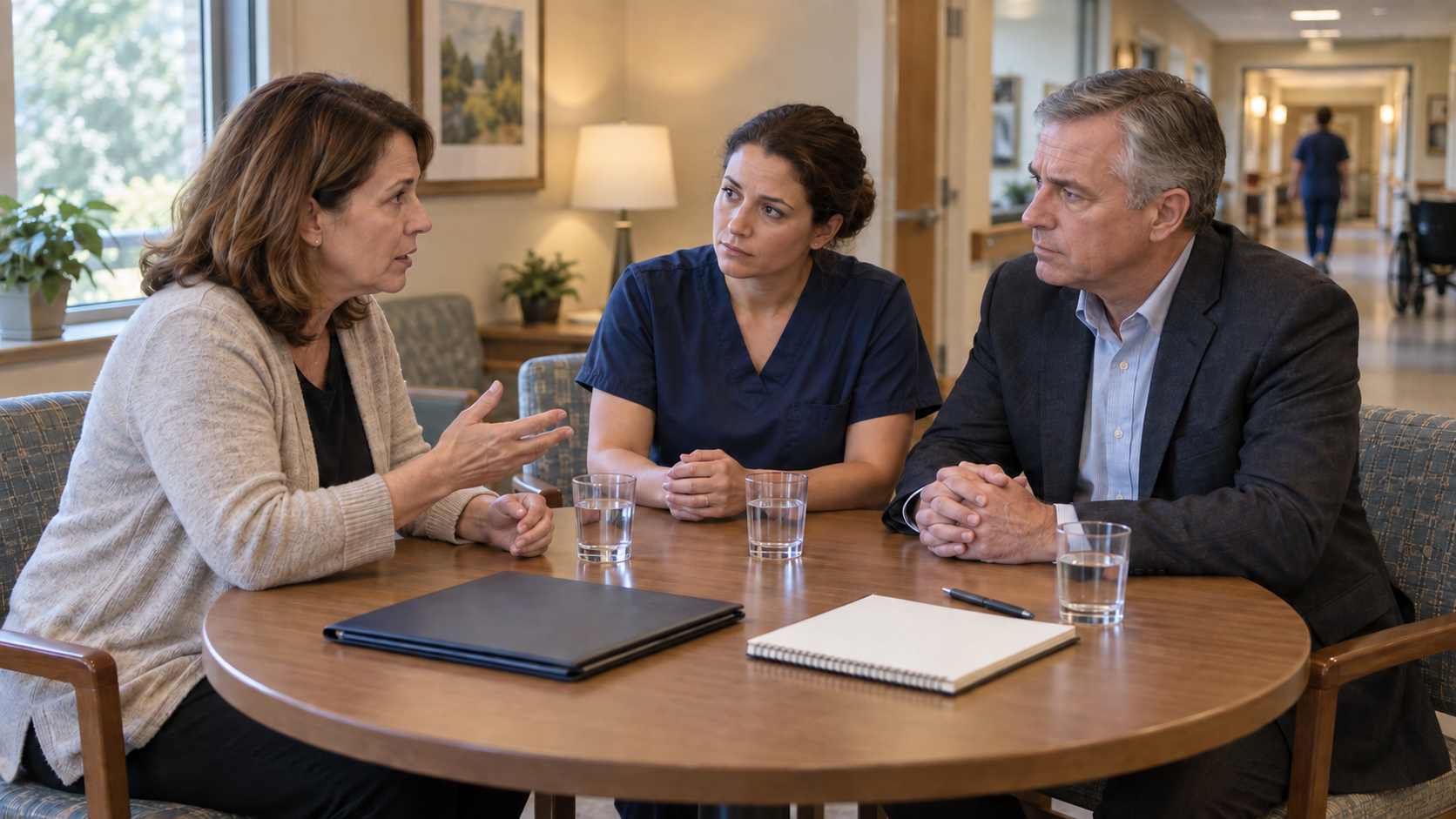
If you are trying to understand the evidence needed to sue a nursing home for emotional abuse in California, the starting point is this: emotional abuse cases are usually built through patterns, not a single dramatic piece of proof. In many cases, the strongest claim comes from combining the resident’s own account with witness statements, medical and mental-health records, facility complaints, staffing records, and state or ombudsman investigations. California elder-abuse law recognizes abuse that causes mental suffering, and federal nursing home rules expressly require facilities to keep residents free from verbal and mental abuse.
Under California’s Elder Abuse and Dependent Adult Civil Protection Act, abuse can include “other treatment” that results in mental suffering, as well as deprivation of goods or services necessary to avoid mental suffering. California and federal regulators also recognize that nursing home residents have enforceable rights, including the right to be free from abuse.
Understanding Emotional Abuse in a California Nursing Homes
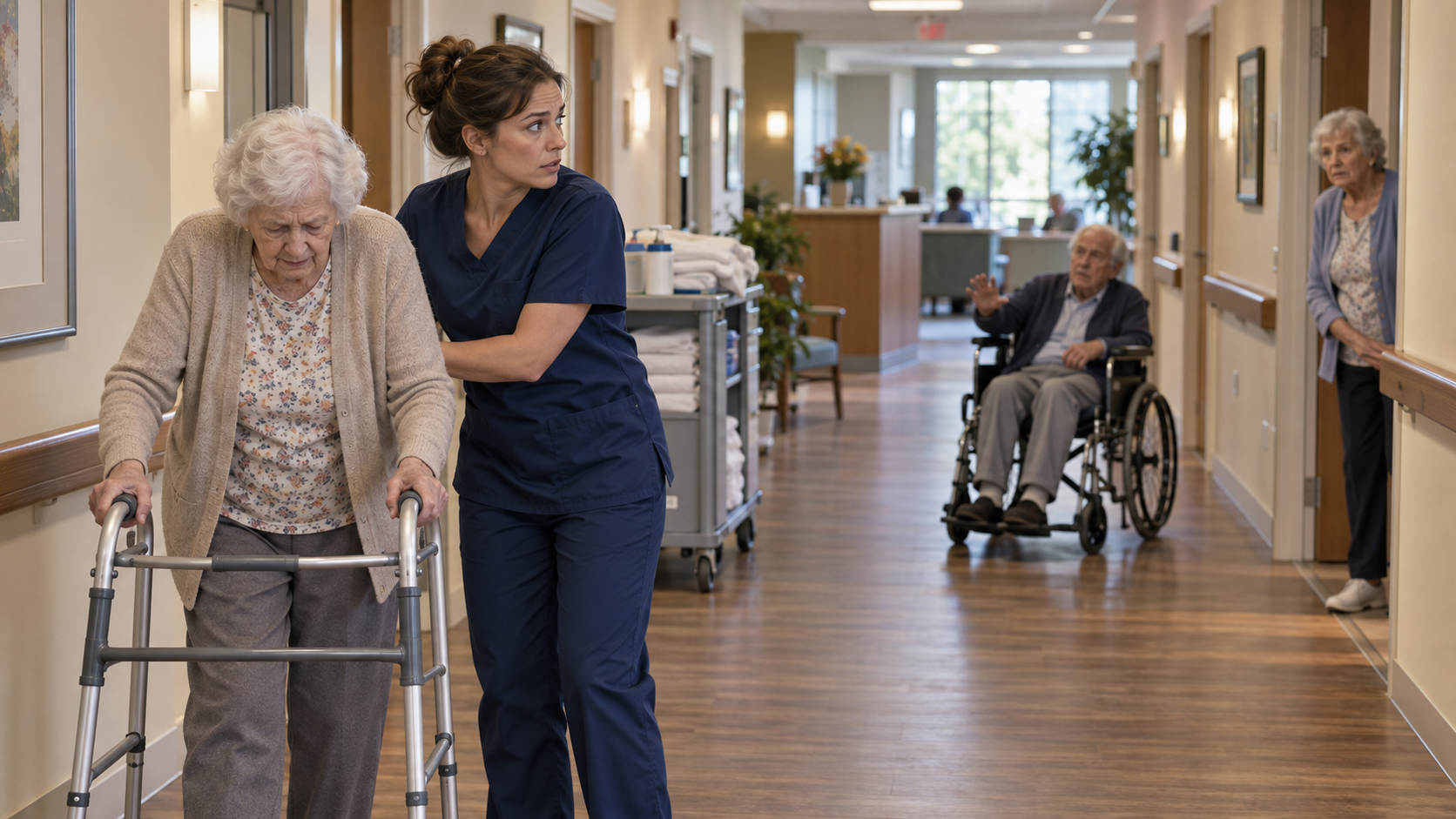
Emotional abuse in a nursing home can include repeated humiliation, intimidation, threats, isolation, verbal degradation, harassment, or conduct that causes fear, anxiety, depression, withdrawal, or other mental suffering. Federal regulations for long-term care facilities state that a resident has the right to be free from abuse and that the facility must not use verbal or mental abuse. California materials for nursing home residents similarly identify “freedom from abuse” as a core resident right.
That matters because a lawsuit is not just about showing that rude or upsetting behavior happened. The evidence to sue a nursing home for emotional abuse must usually show that the conduct was serious enough to violate the resident’s rights, cause mental suffering, or reflect neglect, mistreatment, or elder abuse under California law.
Key Pieces of Evidence Needed to Sue Nursing Homes for Emotional Abuse

1. The Resident’s Own Account
One of the most important forms of evidence is the resident’s own description of what happened. That may include:
- What was said or done
- Who was involved
- When and where it happened
- How often it happened
- How it affected the resident emotionally and behaviorally
If the resident has memory issues or communication limitations, their statement can still matter, especially when supported by surrounding evidence such as charts, witness observations, and behavioral changes documented in records.
2. Witness Statements
Witnesses often make or break these cases. Helpful witnesses may include:
- Family members who observed staff yelling, mocking, threatening, or isolating the resident
- Other residents or visitors who saw the mistreatment
- Former or current employees
- Ombudsman personnel
- Treating providers or social workers
Consistent statements from multiple witnesses can help show the abuse was not imagined, exaggerated, or isolated.
3. Medical and Mental-Health Records
Even when there is no visible physical injury, emotional abuse often leaves a trail in records. Strong evidence can include documentation of:
- Sudden anxiety, depression, panic, fearfulness, or agitation
- Sleep changes, appetite loss, crying spells, or withdrawal
- Refusal of care from specific staff members
- New psychiatric symptoms or worsening dementia-related behaviors after mistreatment
- Orders for counseling, psychiatric care, or medication changes
Regulators investigating nursing home complaints review medical records, interviews, and observations, which is why charting and care records are often central evidence.
4. Behavior Changes and Pattern Evidence
In many emotional-abuse claims, the most persuasive proof is a before-and-after pattern. Families should look for evidence that the resident became:
- More fearful around certain staff
- Unusually quiet or withdrawn
- Resistant to bathing, meals, or medication when a specific employee is on duty
- Tearful after interactions
- Socially isolated or suddenly reluctant to speak openly
Pattern evidence can be powerful because California elder-abuse claims often depend on showing ongoing mistreatment or deprivation that caused mental suffering, not merely one unpleasant interaction.
5. Internal Complaints, Grievances, and Incident Reports
Written complaints to the facility can be highly valuable. Save every grievance, email, letter, portal message, and written complaint submitted to:
- The administrator
- Director of nursing
- Social services staff
- Charge nurses
- Corporate ownership or management
These records can help prove notice. If the nursing home knew about the problem and failed to correct it, that may strengthen the case substantially. California guidance also states that facilities must investigate alleged abuse and report certain events to the ombudsman, police, and CDPH.
6. Ombudsman and State Complaint Records
A family’s report to the long-term care ombudsman or the California Department of Public Health can create important third-party evidence. CDPH accepts complaints from residents, relatives, friends, and the public, and it investigates through interviews, observations, and record review. It then determines whether allegations are substantiated and whether regulations were violated.
That means ombudsman notes, CDPH complaint findings, deficiency notices, and related investigative materials can all become important pieces of the evidence needed to sue a nursing home for emotional abuse.
7. Staffing Records, Schedules, and Personnel Evidence
Emotional abuse often happens in facilities with chronic understaffing, poor supervision, weak training, or repeated complaints against the same caregiver. Once a case is investigated, relevant evidence may include:
- Staff schedules and assignment sheets
- Call-light response logs
- Training records
- Disciplinary history
- Prior complaints involving the same employee
- Policies on abuse prevention, reporting, and supervision
While families may not have all of this at the start, an attorney can often pursue it through investigation and litigation. State and federal oversight materials focus heavily on compliance, staffing, reporting, and resident protection.
8. Photos, Videos, and Other Corroborating Media
Photos or videos may help if they capture the resident’s condition, crying episodes, fear responses, room isolation, or other surrounding circumstances. But families in California should be careful about secret recordings. California Penal Code section 632 generally prohibits recording a confidential communication without the consent of all parties.
Because of that, families should be cautious and speak with counsel before making audio recordings of private conversations. Lawful documentation is important; unlawful recordings can create separate problems.
Practical Steps to Document Mistreatment
If you suspect emotional abuse, organized documentation can make a major difference. Here are practical steps:
- Keep a written timeline. Record dates, times, names, exact words used, and what happened immediately before and after each incident.
- Write down behavior changes. Note sleep issues, crying, fear, panic, withdrawal, refusal of care, or sudden mood changes.
- Preserve communications. Save emails, texts, voicemails, letters, and portal messages to the facility.
- Request records. Ask for care plans, nursing notes, social-services notes, and other relevant records.
- Identify witnesses early. Write down names and contact information for anyone who saw or heard the conduct.
- Report the abuse. Notify the facility in writing, contact the long-term care ombudsman, and consider filing a complaint with CDPH. California states that anyone can file a complaint, anonymously or by name, and CDPH keeps complainant identities confidential.
- Seek medical or psychological evaluation. Treatment records can help connect the abuse to mental suffering.
- Avoid altering evidence. Keep originals, screenshots, and metadata where possible.
- Do not secretly record private conversations without legal guidance. California’s all-party consent law can apply.
California’s nursing home materials also explain that the facility must investigate alleged abuse and report certain incidents, and that residents or families can contact the ombudsman or CDPH district office directly.
Why Evidence Matters So Much in Emotional Abuse Cases
Unlike a broken bone or a bed sore, emotional abuse may not leave a visible injury. That is why these claims often depend on layered proof: the resident’s account, corroborating witnesses, chart entries, prior complaints, behavior changes, and third-party investigations. Regulators themselves use interviews, observations, and medical-record review to determine whether a complaint is substantiated, which mirrors the way strong civil cases are often built.
In other words, the best evidence to sue a nursing home for emotional abuse is usually not just one document. It is a well-organized body of proof showing mistreatment, notice, mental suffering, and the facility’s failure to protect the resident.
Peck Law Corporation: Southern California Elder Abuse and Nursing Home Abuse Lawyers
At Peck Law Corporation, we help families investigate suspected elder abuse and nursing home abuse throughout Southern California. We are based in Simi Valley, and our firm represents injured clients and families in cases involving nursing home mistreatment, neglect, and abuse. We understand how difficult it can be to prove emotional abuse when the harm is psychological rather than physical, and we work to uncover the records, witness testimony, and regulatory evidence needed to build a strong case. For all injury-related cases, we work on a contingency fee basis, which means you do not pay attorney’s fees unless we recover compensation for you.
Contact Peck Law Corporation for a Free Legal Consultation
If you believe your loved one has suffered emotional abuse in a California nursing home, do not wait to begin preserving evidence. The sooner you document what happened, report the mistreatment, and get legal guidance, the better positioned you may be to protect your family member and pursue accountability.
Contact Peck Law Corporation today for a free legal consultation to discuss the evidence needed to sue a nursing home for emotional abuse and the steps available to protect your loved one’s rights.
Frequently Asked Questions
Can you sue a nursing home for emotional abuse in California?
Yes, California law allows residents and families to pursue claims when nursing home mistreatment causes mental suffering, emotional distress, or other legally recognized harm. A lawsuit may be possible when the evidence shows abuse, neglect, or a failure by the facility to protect the resident.
How do I prove emotional abuse in a nursing home?
To prove emotional abuse in a nursing home, it is important to document what happened, when it happened, who was involved, and how the resident changed afterward. Records, witness accounts, complaints, and medical evaluations can all help show the abuse occurred and caused harm.
What is the best evidence to sue a nursing home for emotional abuse?
The best evidence to sue a nursing home for emotional abuse is usually a combination of the resident’s own account, family observations, third-party witness statements, and records showing emotional or psychological harm. Complaints made to the facility, ombudsman, or state regulators can also help support the case.
Can a family start a case even without every record?
Yes. Families rarely have every piece of evidence at the beginning. In many California elder-abuse cases, the initial proof comes from the resident, loved ones, and any complaints already made. A lawyer can then work to obtain additional records, interview witnesses, and analyze whether the facility violated state or federal requirements protecting residents from verbal or mental abuse.
%20(1).avif)