.avif)
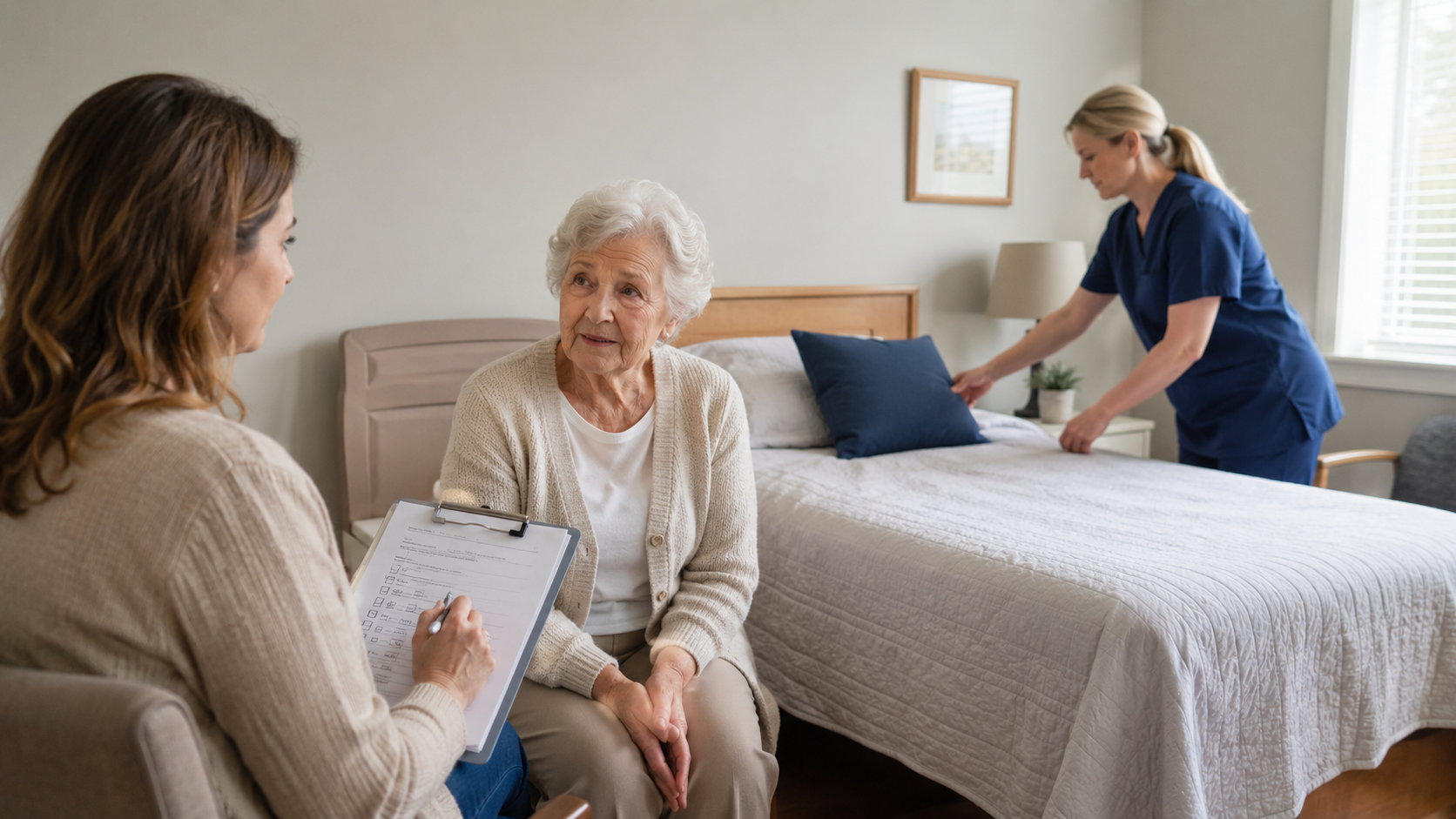
Choosing a nursing home is one of the most important decisions a family can make for an aging parent, spouse, or loved one. Even after a facility has been selected, families should continue paying close attention to the quality of care being provided. A practical nursing home safety checklist can help you spot warning signs early, ask better questions, and take action when something does not feel right.
This guide is designed for families who want to protect health and safety in nursing homes while staying alert to possible elder abuse or neglect. While not every concern means abuse is happening, repeated problems, unexplained injuries, poor communication, or sudden changes in your loved one’s condition should never be ignored.
Why a Nursing Home Safety Checklist Matters
Nursing home residents often rely on staff for help with medication, mobility, hygiene, meals, hydration, and medical monitoring. When a facility is understaffed, poorly managed, or careless, residents can suffer serious harm.
A well-organized nursing home safety checklist helps families evaluate whether a facility is meeting basic standards of care. It can also help you document concerns, compare conditions over time, and recognize patterns that may point to nursing home abuse or neglect.
Common risks include:
- Falls and preventable injuries
- Bedsores or pressure ulcers
- Medication mistakes
- Poor hygiene
- Malnutrition or dehydration
- Emotional abuse or intimidation
- Physical abuse
- Medical neglect
- Unsafe living conditions
- Failure to respond to calls for help
First Impressions of the Facility
Your first impression can reveal a lot about the quality of care. When visiting a nursing home, pay close attention to the environment, the staff, and how residents appear.
Facility Cleanliness and Maintenance
Look for signs that the nursing home is clean, organized, and properly maintained.
Checklist items:
- Floors are clean, dry, and free from clutter
- Hallways are well-lit and easy to navigate
- Bathrooms are clean and stocked with supplies
- Resident rooms are tidy and odor-free
- Bedding and clothing appear clean
- Trash is removed regularly
- Shared spaces are sanitary and comfortable
- Equipment such as wheelchairs, walkers, and beds appears well-maintained
Strong odors, dirty rooms, overflowing trash, or soiled bedding may suggest poor oversight or neglect.
Staff Behavior and Responsiveness
The way staff members treat residents is one of the most important indicators of health and safety in nursing homes.
Checklist items:
- Staff members speak respectfully to residents
- Call lights are answered promptly
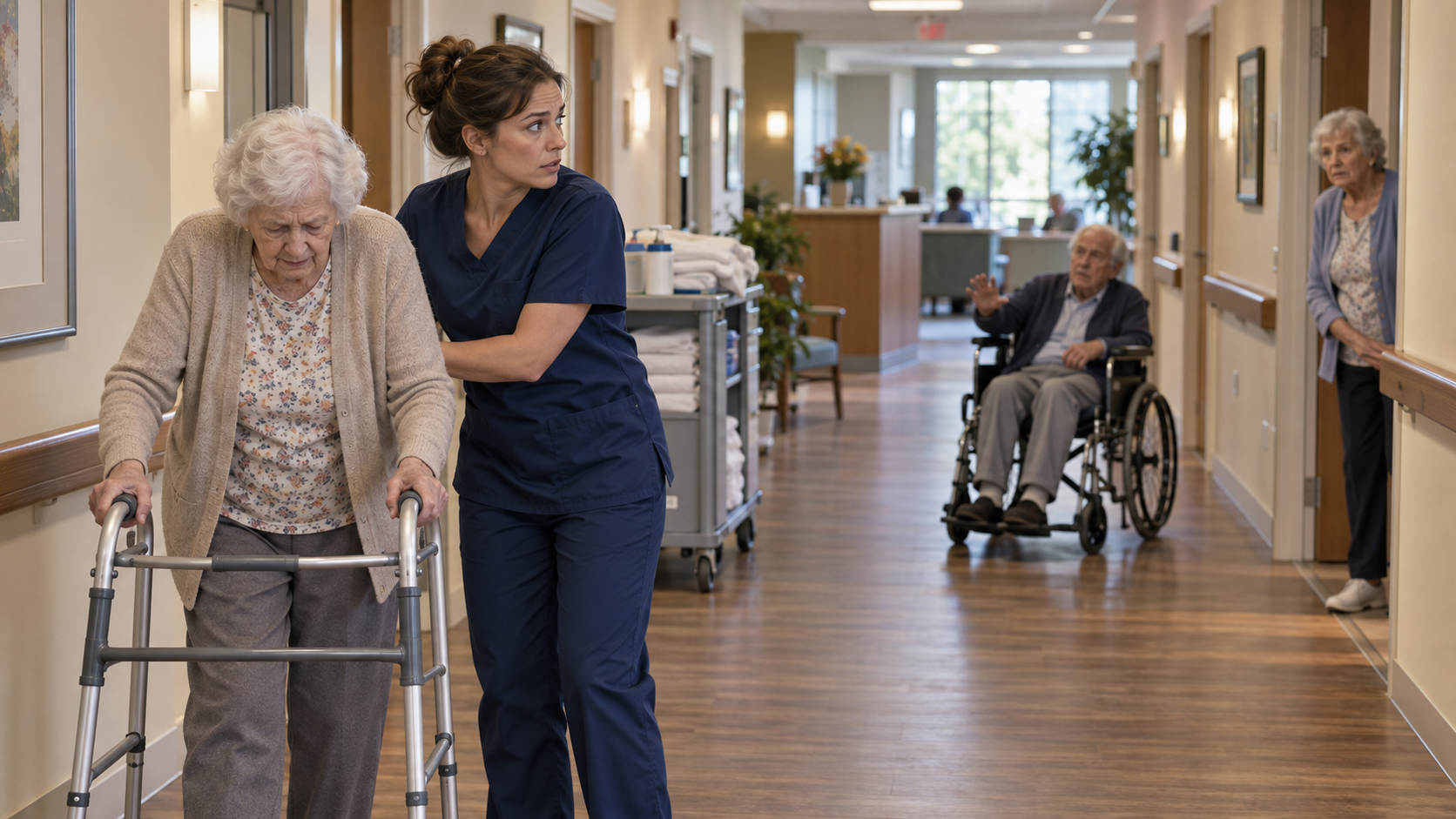
- Residents are not ignored when asking for help
- Staff members appear calm, attentive, and professional
- Caregivers know residents by name
- Staff do not seem rushed, angry, or dismissive
- Family questions are answered clearly
- Supervisors are available when concerns arise
A single busy moment may not mean a facility is unsafe. However, repeated delays, rude behavior, or dismissive communication should raise concern.
Checklist for Your Loved One’s Physical Health and Safety
Families should monitor their loved one’s physical condition closely. Changes in appearance, mobility, or overall health may point to neglect, abuse, or inadequate care.
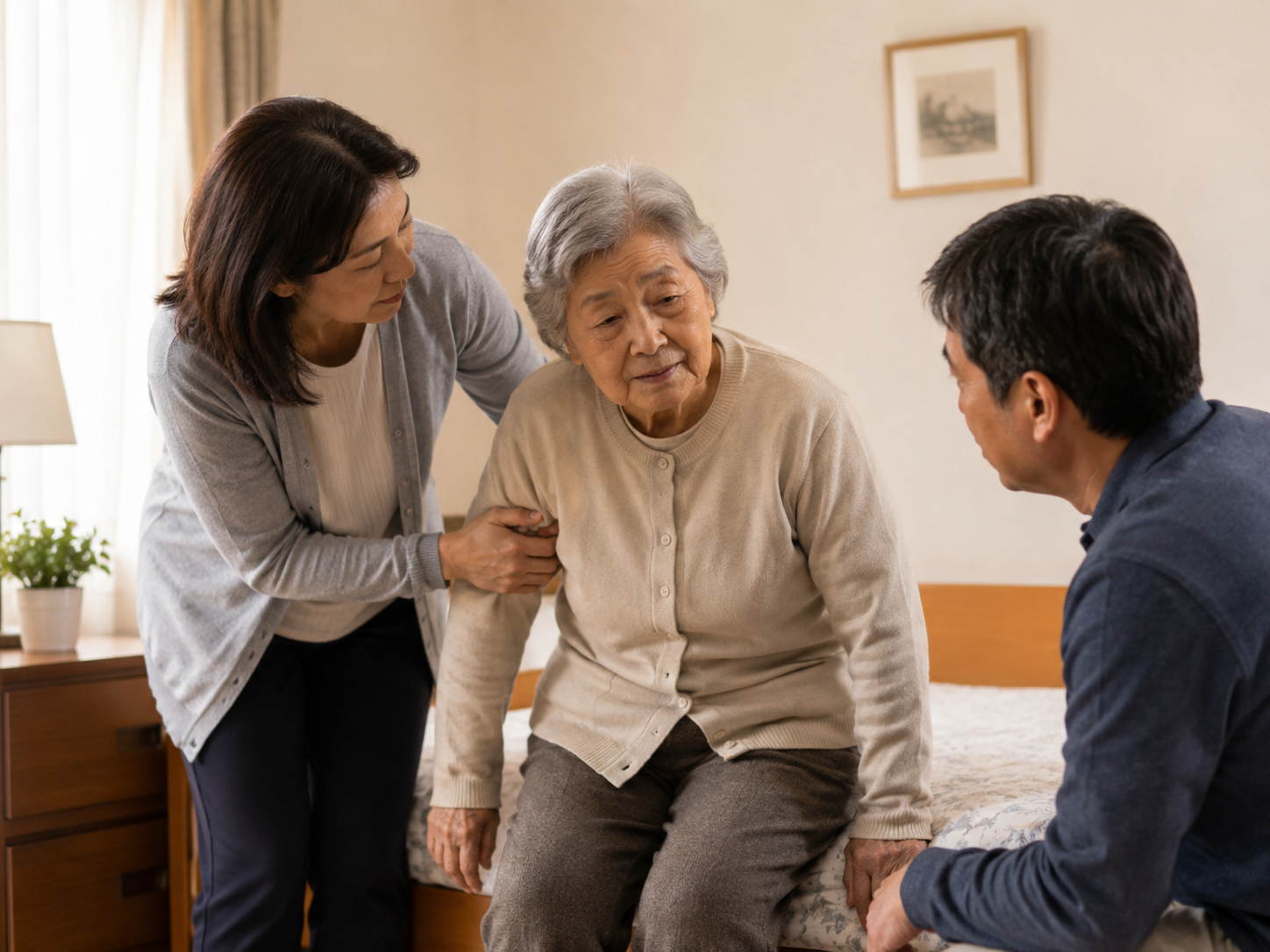
Signs of Physical Abuse or Unexplained Injuries
Physical abuse in a nursing home may involve hitting, rough handling, improper restraint, or other harmful conduct. Some injuries may also result from neglect, such as failing to assist a resident who is at risk of falling.
Checklist items:
- Unexplained bruises, cuts, burns, or welts
- Injuries in different stages of healing
- Frequent falls or repeated emergency room visits
- Broken bones or sprains without a clear explanation
- Marks on wrists or ankles that may suggest improper restraint
- Fearfulness around certain staff members
- Conflicting explanations from staff about injuries
- Delays in notifying family about an injury
Ask direct questions whenever you see an injury. Document what you observe, who you spoke with, and what explanation was provided.
Bedsores and Skin Care
Bedsores, also called pressure ulcers, can develop when residents are left in one position for too long or do not receive proper hygiene, nutrition, hydration, or medical care. Serious bedsores may indicate nursing home neglect.
Checklist items:
- Red, irritated, or broken skin
- Open wounds, especially on the back, hips, heels, elbows, or tailbone
- Bandages that appear dirty or unchanged
- Foul odor from wounds
- Complaints of pain when moving or sitting
- Staff unable to explain the wound care plan
- Lack of regular repositioning for residents with limited mobility
Families should ask how often their loved one is being repositioned, whether a wound care plan exists, and whether a physician has evaluated the injury.
Fall Prevention and Mobility Safety
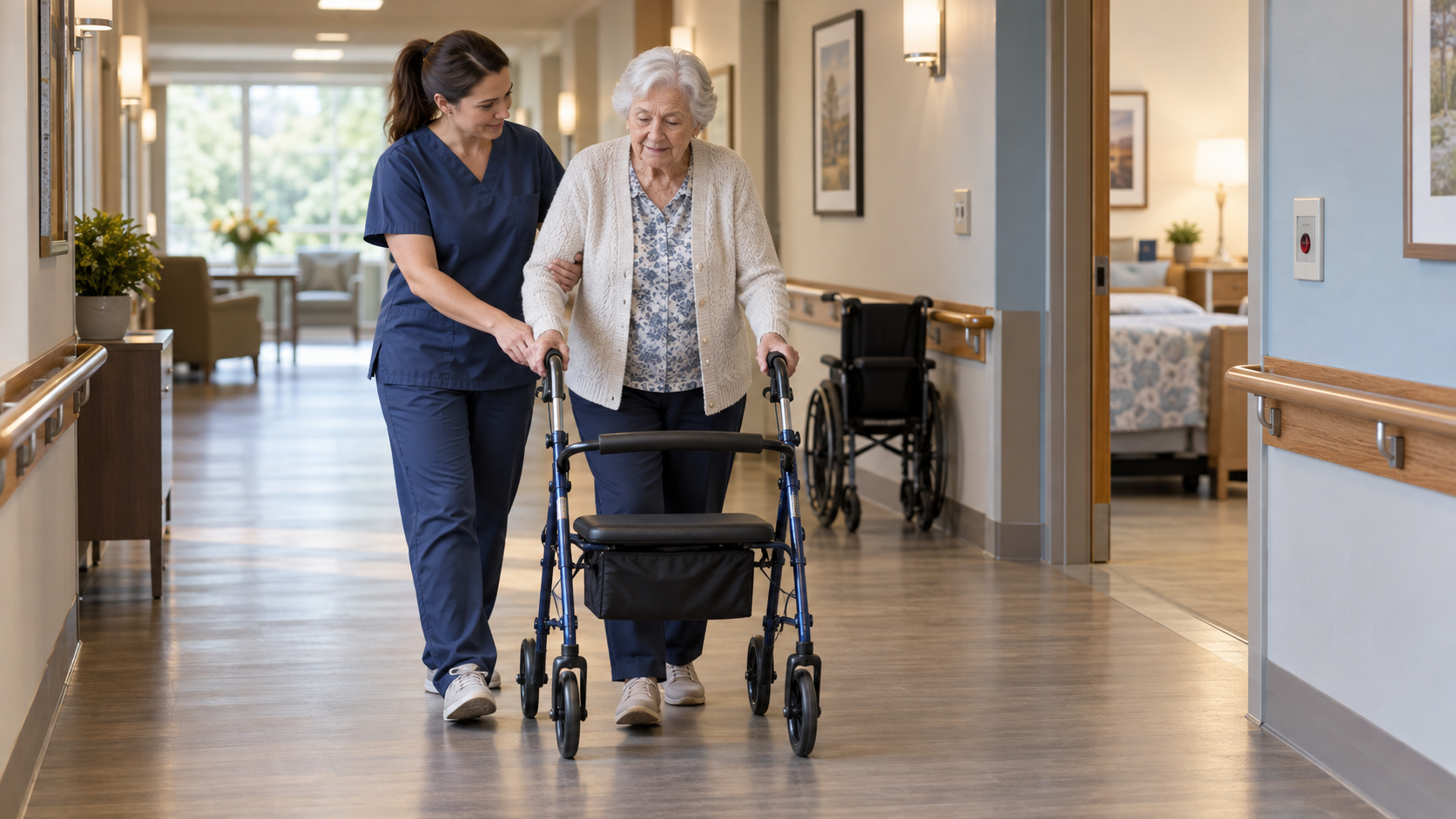
Falls are a major threat to health and safety in nursing homes, especially for residents with mobility issues, dementia, medication side effects, or balance problems.
Checklist items:
- Fall risk assessments are completed and updated
- Walkways are free from cords, clutter, and slippery surfaces
- Proper footwear is available and used
- Wheelchairs and walkers are within reach
- Bed rails and alarms are used appropriately when needed
- Staff assist residents with toileting and transfers
- Call buttons are accessible
- The facility has a clear fall prevention plan
If your loved one has fallen more than once, ask what changes the facility made after each fall to prevent it from happening again.
Nursing Home Safety Checklist for Hygiene, Nutrition, and Hydration
Basic daily care is essential. Poor hygiene, missed meals, or inadequate hydration can quickly lead to serious medical problems.
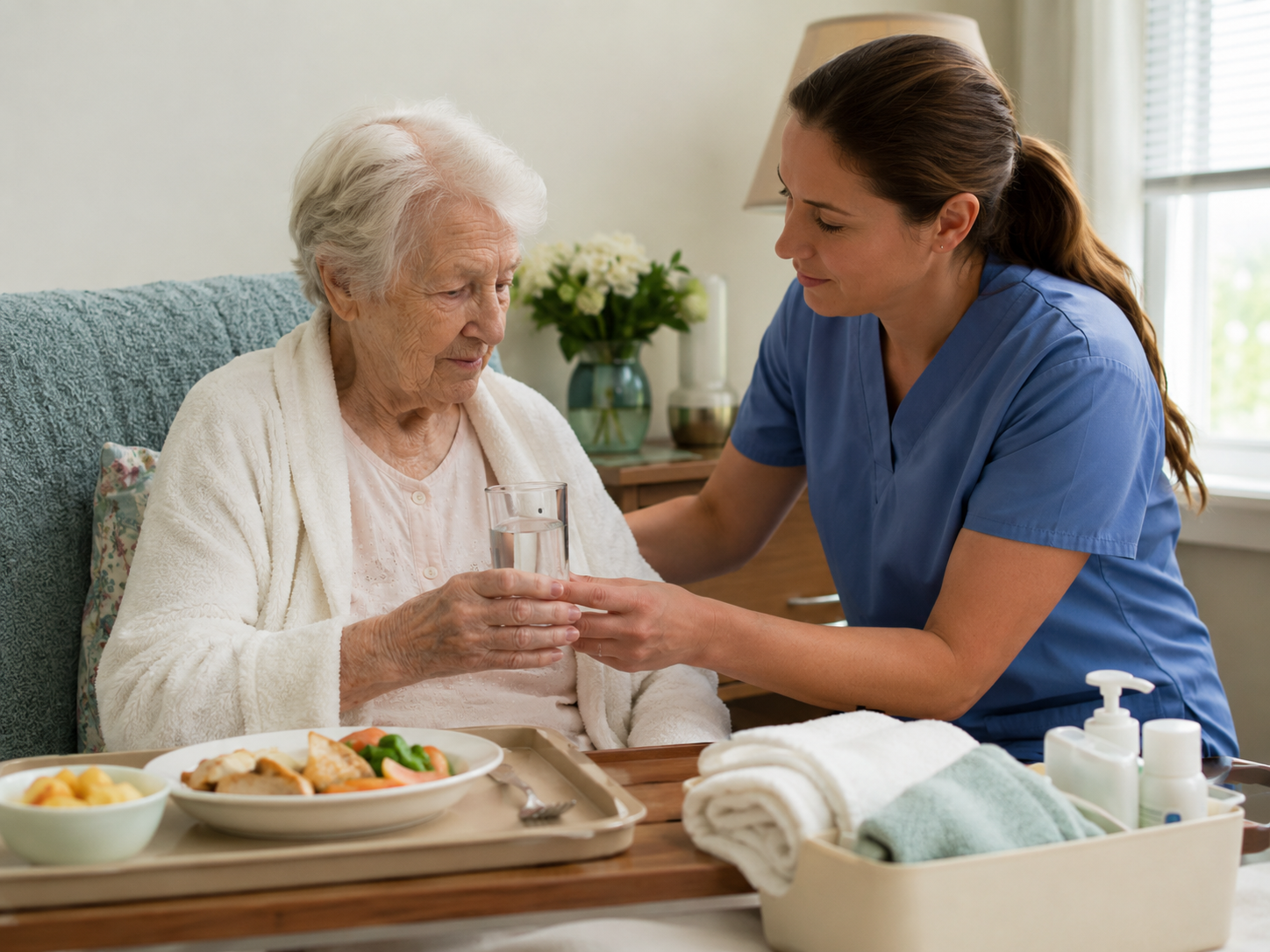
Personal Hygiene and Grooming
Checklist items:
- Hair, skin, and nails are clean
- Clothing is clean, dry, and appropriate
- Teeth, dentures, or oral care needs are being addressed
- The resident is bathed regularly
- Incontinence care is handled promptly
- Bedding is clean and dry
- The resident does not smell strongly of urine or feces
- Personal items are not missing or neglected
Poor hygiene can be embarrassing and harmful for residents. It may also be a sign that staff are not providing necessary care.
Food, Hydration, and Weight Changes
Malnutrition and dehydration are serious risks in nursing homes. Families should watch for physical changes and ask how meals are monitored.
Checklist items:
- Noticeable weight loss
- Dry mouth, cracked lips, or signs of dehydration
- Weakness, dizziness, or confusion
- Meals left untouched
- Staff failing to assist residents who need help eating
- Special diets not being followed
- Water not available within reach
- Repeated complaints about hunger or thirst
Ask whether your loved one is eating regularly, whether weight is being tracked, and what steps are being taken if weight loss occurs.
Medication and Medical Care Checklist
Medication errors and missed medical care can seriously harm nursing home residents. Families should stay involved in medical updates and care planning.
Checklist items:
- Medications are given on schedule
- Family is informed of medication changes
- Side effects are monitored
- Doctors’ orders are followed
- Medical appointments are scheduled and attended
- Changes in condition are reported quickly
- Pain complaints are taken seriously
- Infections, wounds, and illnesses receive prompt attention
- Care plans are updated after major health changes
Warning signs may include excessive sleepiness, confusion, sudden behavior changes, untreated infections, or staff being unable to explain what medications your loved one is taking.
Emotional Well-Being and Elder Abuse Warning Signs
Not all elder abuse is physical. Emotional abuse can involve threats, humiliation, isolation, intimidation, or verbal cruelty. Families should take emotional changes seriously, especially when they appear suddenly.
Checklist items:
- Sudden withdrawal or depression
- Fear of certain staff members or residents
- Anxiety before or after staff interactions
- Unusual silence when caregivers enter the room
- Crying, agitation, or panic
- Complaints of being yelled at, threatened, or ignored
- Loss of interest in activities
- Changes in sleep or appetite
- Statements such as “I don’t feel safe” or “They are mean to me”
Residents with dementia or communication difficulties may not be able to clearly explain what is happening. Look for behavior patterns and trust your instincts when something seems wrong.
Resident Rights, Communication, and Family Access
A safe nursing home should respect residents and keep families informed. Poor communication can make it harder to identify abuse or neglect.
Checklist items:
- Family members can visit without unreasonable restrictions
- Staff provide clear updates about injuries or health changes
- Care plans are explained in understandable terms
- The facility responds to complaints in writing when appropriate
- Residents are treated with dignity and privacy
- Personal belongings are respected
- Family concerns are not dismissed or minimized
- The nursing home provides contact information for administrators and supervisors
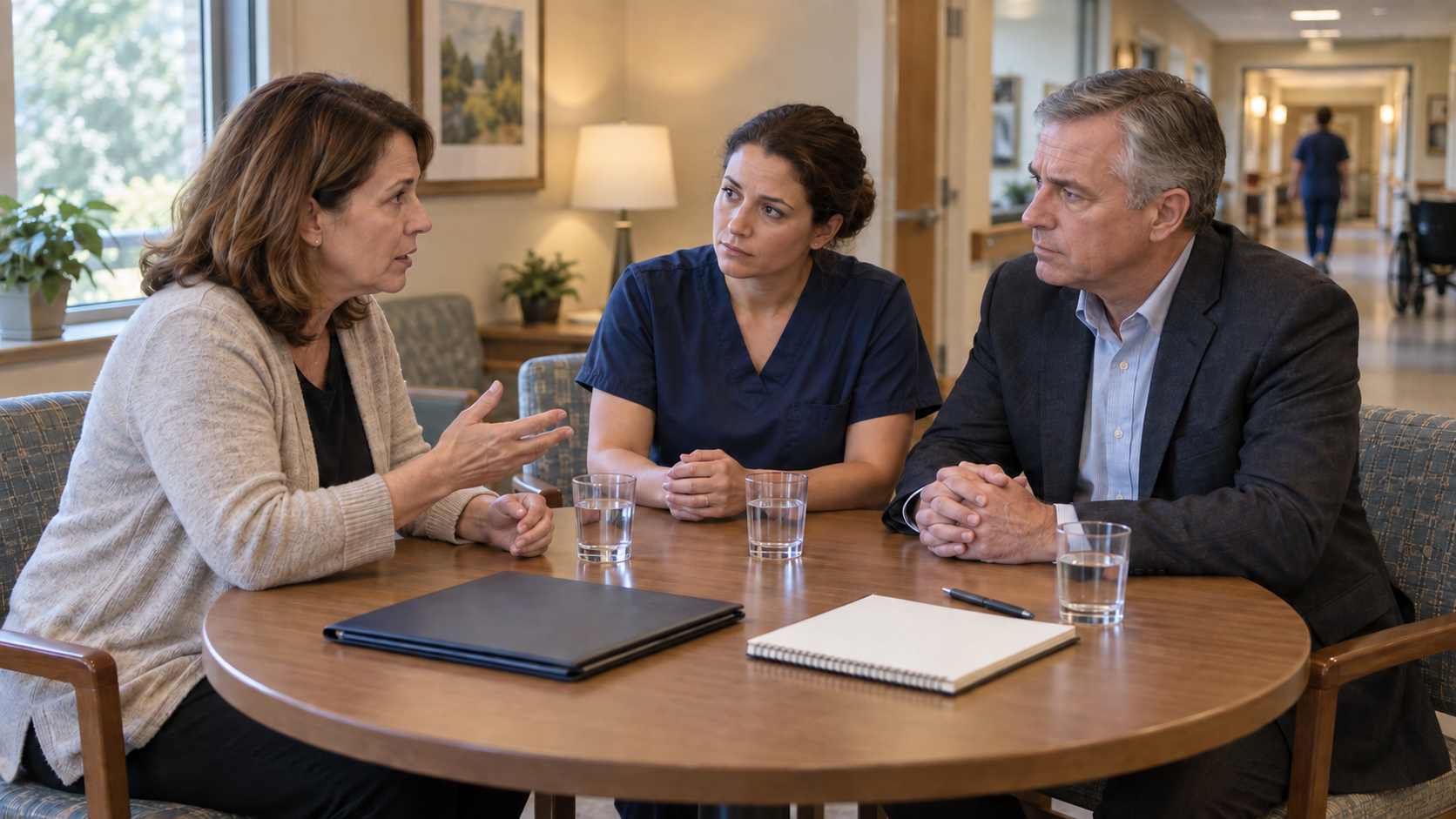
Be cautious if staff discourage visits, refuse to answer questions, or make you feel like you are bothering them for raising concerns.
Environmental Safety Checklist for Health and Safety in Nursing Homes
The physical environment plays a major role in preventing injuries and protecting residents.
Checklist items:
- Proper lighting in rooms, halls, and bathrooms
- Handrails in hallways
- Grab bars near toilets and showers
- Non-slip flooring
- Safe room temperatures
- Secure exits for residents with dementia or wandering risks
- Working smoke detectors and sprinkler systems
- Clear emergency exits
- Safe storage of cleaning chemicals and medications
- Proper infection control practices
- Adequate staffing during evenings, weekends, and holidays
Unsafe conditions may increase the risk of falls, infections, wandering, or delayed emergency response.
What to Do If Your Nursing Home Safety Checklist Reveals Red Flags
If you believe your loved one may be in danger, take immediate steps to protect them.
Consider the following actions:
- Document injuries, conditions, conversations, and dates
- Take photos of visible injuries or unsafe conditions when appropriate
- Ask for written explanations from the facility
- Request a care plan meeting
- Speak with the nursing home administrator
- Contact your loved one’s doctor
- Report urgent danger to emergency services
- Consider moving your loved one if their safety is at risk
- Speak with an experienced nursing home abuse lawyer
The more detailed your documentation is, the easier it may be to identify patterns and determine whether the facility failed to provide proper care.
Questions Families Should Ask Nursing Home Staff
Use these questions during visits, care meetings, or after concerning incidents:
- What is my loved one’s current care plan?
- Has their fall risk changed?
- How often are they checked?
- How often are they repositioned?
- Are they eating and drinking enough?
- Has there been any recent weight loss?
- What medications are they taking and why?
- Have there been any medication changes?
- Why did this injury occur?
- When was the family notified?
- What steps are being taken to prevent this from happening again?
- Who is responsible for supervising their care?
Clear answers can build trust. Vague, inconsistent, or defensive answers may suggest deeper problems.
How Peck Law Corporation Helps Families Protect Health and Safety in Nursing Homes
Peck Law Corporation is based in Simi Valley and represents families throughout Southern California in elder abuse and nursing home abuse cases. Our legal team understands how devastating it can be to discover that a loved one may have been neglected, mistreated, or harmed in a facility that was supposed to protect them.
We handle injury-related elder abuse and nursing home abuse cases on a contingency fee basis, which means clients do not pay attorney fees unless we recover compensation for them. Our firm focuses on physical abuse, neglect, and injury-related claims. We do not handle cases involving financial elder abuse.
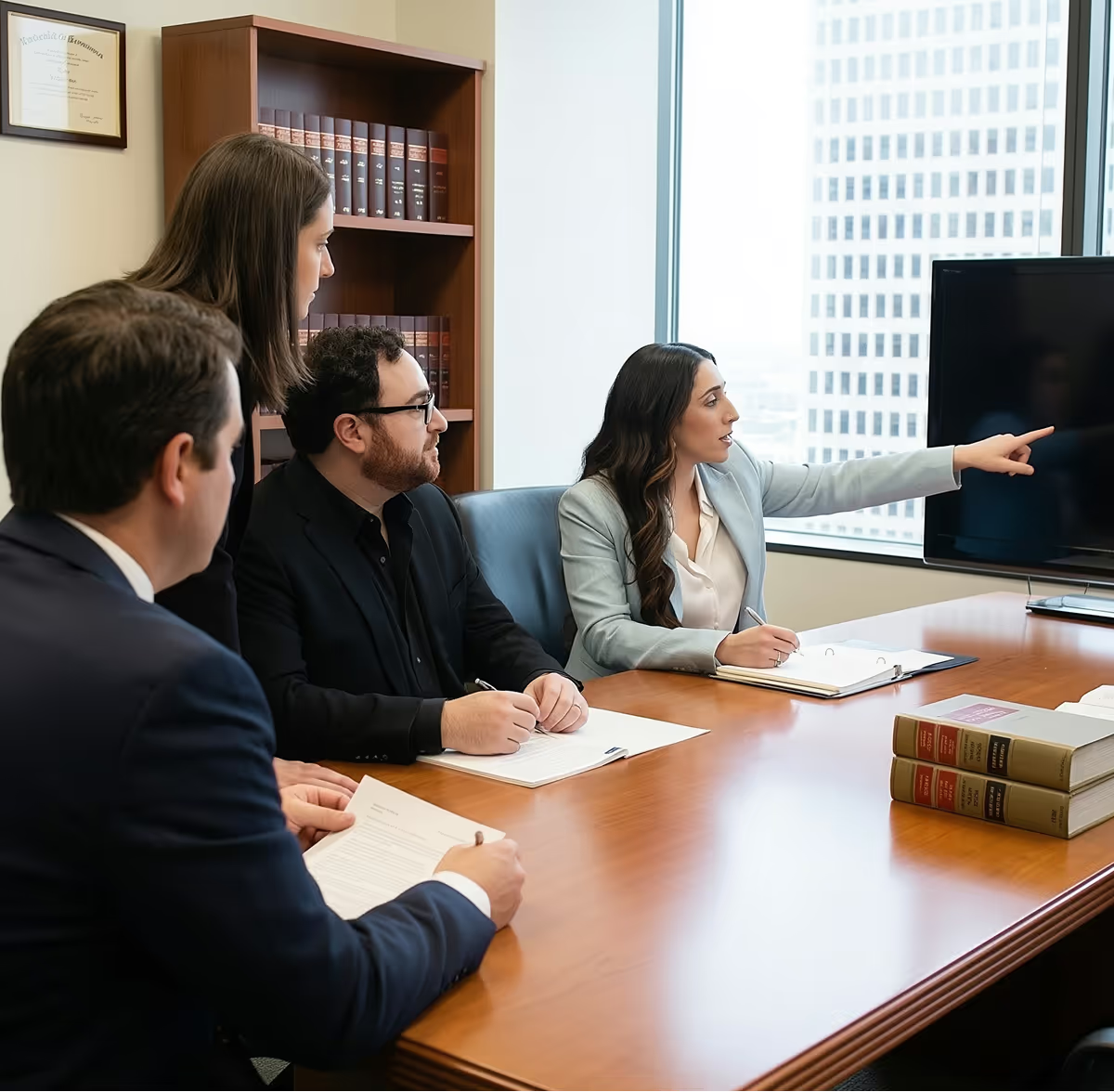
Speak With a Southern California Nursing Home Abuse Lawyer
A nursing home safety checklist can help families recognize warning signs, but legal guidance may be necessary when neglect or abuse has caused harm. If your loved one suffered injuries, developed bedsores, experienced repeated falls, became malnourished or dehydrated, or showed signs of mistreatment, it may be time to speak with an attorney.
Peck Law Corporation is here to help families understand their rights and take action when health and safety in nursing homes has been compromised.
Contact Peck Law Corporation for a Free Legal Consultation
If your loved one has suffered injury, neglect, or abuse in a nursing home, Peck Law Corporation is here to help. Our experienced elder abuse and nursing home abuse lawyers serve families throughout Southern California, and we handle injury-related cases on a contingency fee basis.
Contact Peck Law Corporation today for a free legal consultation. We can review your concerns, explain your legal options, and help you determine the next step toward protecting your loved one’s health, safety, and dignity.
Frequently Asked Questions
What are the most common signs of nursing home abuse?
Common signs of nursing home abuse include unexplained bruises, cuts, burns, fearfulness, sudden withdrawal, emotional distress, poor hygiene, untreated wounds, and frequent injuries. Families should also watch for inconsistent explanations from staff or delays in being notified about serious incidents.
What are signs of nursing home neglect?
Signs of nursing home neglect may include bedsores, dehydration, malnutrition, poor hygiene, dirty clothing, missed medications, repeated falls, or untreated medical problems. Neglect often occurs when a facility does not provide the supervision, staffing, or care a resident needs to stay safe.
What should I look for when visiting a nursing home?
During a nursing home visit, look for clean rooms, respectful staff interactions, safe walkways, accessible call buttons, proper hygiene, and residents who appear cared for. You should also pay attention to odors, unanswered call lights, cluttered hallways, visible injuries, and whether staff seem rushed or dismissive.
Can a nursing home be held responsible for poor health and safety?
A nursing home may be held responsible when unsafe conditions, neglect, abuse, poor supervision, or inadequate care causes injury to a resident. Legal responsibility depends on the facts of the case, including what happened, what the facility knew, and whether reasonable steps were taken to protect the resident.
%20(1).avif)