.avif)

When families place a loved one in a nursing home, they expect compassionate care, safety, and dignity. Unfortunately, abuse and neglect can happen in long-term care facilities, assisted living communities, and other elder care settings. Some warning signs are obvious, but others are subtle and may be mistaken for normal aging, illness, or confusion.
Understanding the signs of nursing home abuse and neglect can help families act quickly when something seems wrong. If your loved one has unexplained injuries, sudden emotional changes, poor hygiene, or repeated health problems that are not being properly addressed, it may be time to take a closer look.
Why It Is Important to Recognize the Signs of Nursing Home Abuse
Nursing home residents are often physically frail, medically vulnerable, or dependent on staff for daily care. Some may also have dementia, communication challenges, or fear of retaliation, making it difficult for them to report mistreatment directly.
Recognizing the signs of nursing home abuse early can help prevent further harm. Families should trust their instincts when something feels off, especially if facility staff provide vague explanations, avoid questions, or seem unwilling to discuss a resident’s condition.
Common forms of nursing home abuse and neglect may include:
- Physical abuse
- Emotional or psychological abuse
- Sexual abuse
- Medication errors or overmedication
- Neglect of basic needs
- Poor supervision
- Unsafe facility conditions
- Medical neglect
- Malnutrition or dehydration
While this article focuses on injury-related abuse and neglect, financial exploitation is a separate issue and may involve different legal considerations.
Physical Signs of Nursing Home Abuse
Physical abuse may involve hitting, pushing, improper restraint, rough handling, or unnecessary force during transfers, bathing, dressing, or mobility assistance. Some injuries may be explained away as accidents, but repeated or unexplained injuries should always be taken seriously.

Common physical warning signs of nursing home abuse include:
- Bruises, cuts, burns, or welts
- Broken bones or fractures
- Sprains, dislocations, or unexplained pain
- Injuries in different stages of healing
- Marks on wrists or ankles that may suggest improper restraints
- Fearfulness around certain staff members
- Flinching, withdrawal, or anxiety when touched
- Sudden changes in mobility
- Repeated falls without a clear care plan response
A single injury does not always prove abuse. However, patterns matter. If your loved one repeatedly suffers injuries, receives inconsistent explanations, or seems afraid to discuss what happened, the situation deserves immediate attention.
Signs of Nursing Home Neglect
Neglect occurs when a facility fails to provide the care, supervision, medical attention, hygiene, food, hydration, or assistance a resident needs. Neglect may be intentional, but it can also result from understaffing, poor training, disorganization, or a lack of proper safety procedures.
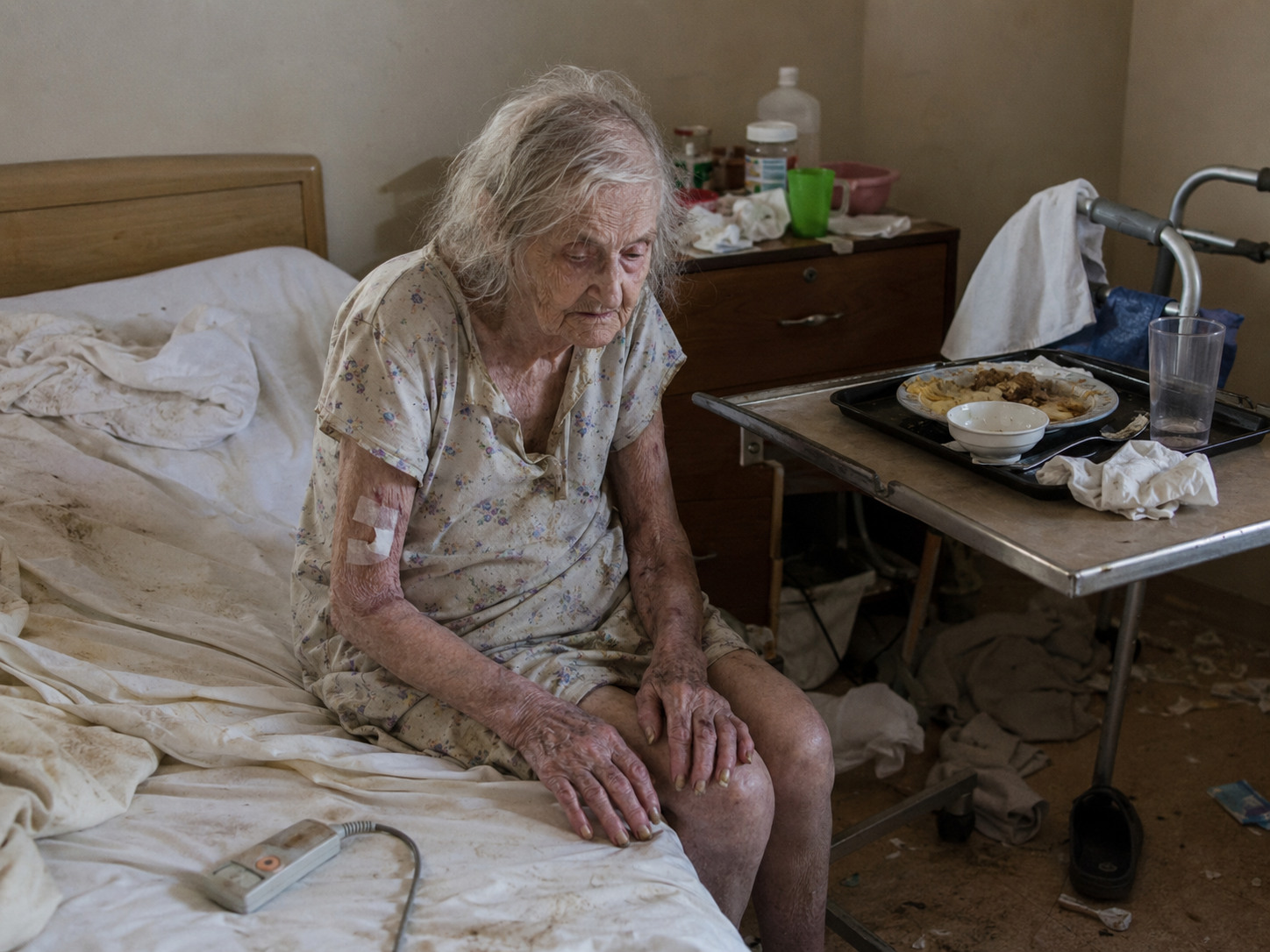
Common signs of nursing home abuse and neglect related to neglect include:
- Dirty clothing, bedding, or living areas
- Poor personal hygiene
- Unwashed hair, body odor, or overgrown nails
- Untreated wounds or infections
- Bedsores or pressure ulcers
- Frequent falls
- Missed medications
- Malnutrition or dehydration
- Sudden weight loss
- Unsafe room conditions
- Long delays when calling for help
- Residents left in bed or wheelchairs for extended periods
- Failure to assist with eating, drinking, bathing, toileting, or repositioning
Neglect can be just as dangerous as direct abuse. For elderly residents, dehydration, infections, pressure sores, and falls can quickly become life-threatening.
Emotional and Behavioral Warning Signs of Nursing Home Abuse
Not all abuse leaves visible injuries. Emotional abuse can include yelling, threats, humiliation, intimidation, isolation, or controlling behavior. A resident may become fearful, depressed, withdrawn, or unusually quiet.

Potential emotional signs of nursing home abuse include:
- Sudden anxiety, depression, or fearfulness
- Withdrawal from family or friends
- Unusual silence around staff
- Crying, agitation, or panic
- Loss of interest in activities
- Sleep changes or nightmares
- Refusal to speak when staff are nearby
- Statements such as “I don’t want to get anyone in trouble”
- A noticeable personality change
Families should pay close attention to how their loved one behaves during visits. If a resident seems relaxed in private but fearful when a certain caregiver enters the room, that may be an important warning sign.
Medical Signs of Nursing Home Abuse and Neglect
Nursing homes are responsible for monitoring residents’ health, following care plans, administering medications correctly, and seeking medical attention when needed. When facilities fail to do so, residents can suffer serious harm.

Medical signs of nursing home abuse and neglect may include:
- Bedsores or pressure injuries
- Repeated infections
- Untreated injuries
- Poor wound care
- Medication errors
- Overmedication or unusual sedation
- Missed medical appointments
- Worsening health with no clear explanation
- Frequent hospital transfers
- Failure to notify family members about health changes
- Lack of documentation or inconsistent medical records
Bedsores are especially concerning. These injuries can develop when a resident is left in one position too long without proper repositioning, hygiene, nutrition, and skin care. Advanced pressure sores may indicate serious neglect.
Warning Signs of Nursing Home Abuse During Visits
Family visits can reveal important clues about a resident’s care. While some issues may be isolated, repeated problems should not be ignored.

During visits, watch for:
- Call lights going unanswered for long periods
- Residents calling for help without response
- Strong odors of urine or feces
- Dirty floors, bathrooms, bedding, or clothing
- Staff who seem rushed, dismissive, or hostile
- Residents appearing dehydrated, hungry, or unattended
- Unexplained changes in your loved one’s mood or appearance
- Staff refusing private conversations with your loved one
- Unclear or conflicting explanations about injuries
It can also help to visit at different times of day. Conditions may look different during evenings, weekends, shift changes, or meal times.
Signs of Poor Supervision in a Nursing Home
Many nursing home injuries happen because residents are not properly supervised. Residents who are fall risks, cognitively impaired, prone to wandering, or dependent on staff for transfers need appropriate monitoring and assistance.

Poor supervision may involve:
- Falls from beds, chairs, wheelchairs, or toilets
- Wandering or elopement from the facility
- Choking incidents
- Unsafe transfers
- Residents left alone despite known fall risks
- Failure to use care plan precautions
- Delayed response to call lights
- Lack of assistance with mobility
If a facility knows a resident is at risk and fails to take reasonable precautions, the result can be devastating. Families should ask whether the nursing home has updated the resident’s care plan after falls, injuries, or changes in health.
When Explanations From the Nursing Home Do Not Add Up
One of the most concerning warning signs is inconsistency. Nursing home staff should be able to explain what happened, when it happened, who was present, what care was provided, and what steps will be taken to prevent it from happening again.
Be cautious if you hear responses such as:
- “We’re not sure what happened.”
- “That’s normal for someone their age.”
- “They must have fallen, but no one saw it.”
- “We don’t have the records available.”
- “You don’t need to worry about it.”
- “They bruise easily.”
- “They are confused and probably made it up.”
While some residents do bruise easily or have memory issues, those explanations should not be used to dismiss legitimate concerns. Families deserve clear answers.
What Families Should Do If They Notice Signs of Nursing Home Abuse
If you suspect abuse or neglect, act quickly. Your loved one’s safety should come first.
Helpful steps may include:
- Documenting injuries, symptoms, dates, and conversations
- Taking photos of visible injuries or unsafe conditions
- Asking for written incident reports
- Requesting medical records and care plan information
- Speaking privately with your loved one
- Reporting urgent danger to appropriate authorities
- Seeking medical attention when needed
- Contacting an experienced nursing home abuse lawyer
Do not rely solely on the facility’s explanation if your concerns continue. A legal team can help evaluate whether the nursing home failed to provide appropriate care.
How Peck Law Corporation Helps Families in Southern California
Peck Law Corporation is based in Simi Valley and represents families throughout Southern California in elder abuse and nursing home abuse matters. Our attorneys understand how devastating it can be to discover that a vulnerable loved one may have been mistreated, neglected, or injured in a care facility. We help families examine what happened, identify signs of neglect or abuse, and pursue accountability when a nursing home’s failures cause harm.
Our firm handles injury-related elder abuse and nursing home abuse cases on a contingency fee basis, which means clients do not pay attorney’s fees unless we recover compensation for them. Peck Law Corporation does not handle financial abuse cases. Our focus is on injury-related matters, including cases involving neglect, falls, pressure sores, physical harm, poor supervision, and other forms of nursing home mistreatment that result in injury.
Contact Peck Law Corporation for a Free Legal Consultation
The warning signs of nursing home abuse should never be ignored. If your loved one has unexplained injuries, poor hygiene, bedsores, sudden emotional changes, repeated falls, or signs of neglect, your family deserves answers.
Contact Peck Law Corporation today for a free legal consultation. Our Simi Valley-based elder abuse and nursing home abuse lawyers serve families throughout Southern California, and we are ready to help you understand your legal options.
Frequently Asked Questions
What are the most common signs of nursing home abuse and neglect?
Common signs of nursing home abuse and neglect include poor hygiene, dirty clothing or bedding, bedsores, dehydration, weight loss, untreated injuries, and frequent falls. These issues may suggest that a resident is not receiving proper care, supervision, nutrition, medical attention, or assistance with daily needs.
What are signs that a nursing home is neglecting basic care?
Signs of neglected basic care include dirty clothes, soiled bedding, poor grooming, body odor, overgrown nails, missed meals, dehydration, and residents left unattended for long periods. These conditions may indicate that staff are not helping the resident with daily living needs.
What should I do if I notice signs of nursing home abuse?
If you notice signs of nursing home abuse, document what you see, take photos when appropriate, write down dates and names, and seek medical attention if your loved one may be in danger. You should also consider reporting the concern and speaking with an experienced nursing home abuse lawyer.
When should I contact a nursing home abuse lawyer?
You should contact a nursing home abuse lawyer if your loved one has unexplained injuries, bedsores, repeated falls, sudden emotional changes, poor hygiene, or signs of neglect that the facility cannot adequately explain. A lawyer can help determine whether the nursing home failed to provide proper care and what legal options may be available.
%20(1).avif)