.avif)

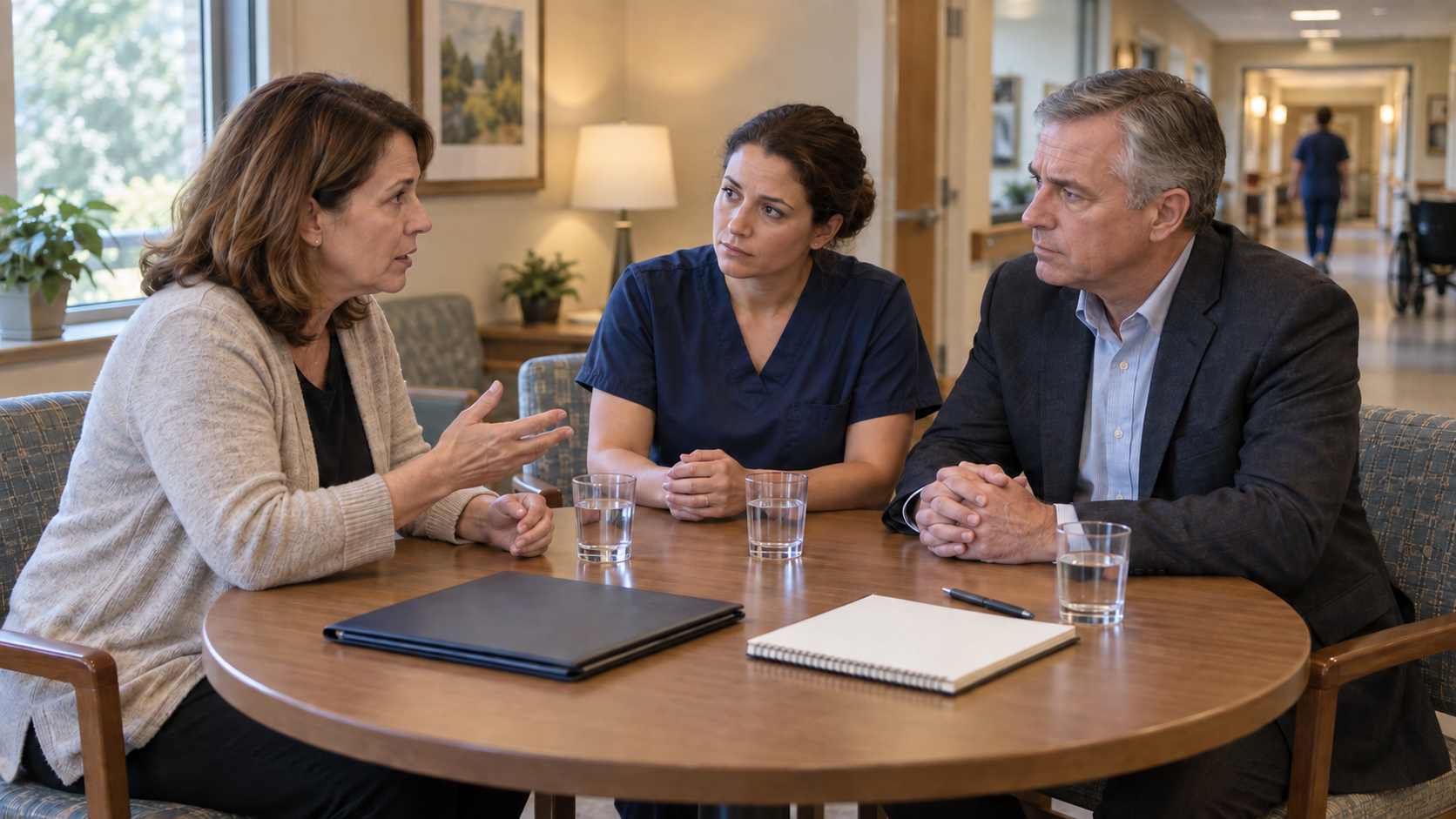
Families place enormous trust in nursing homes and long-term care facilities. When that trust is broken, the consequences can be devastating. Abuse and neglect can lead to physical injuries, emotional trauma, worsening health conditions, and even wrongful death. Abuse occurs in both community and institutional settings, but is especially concerning in nursing homes due to the vulnerability of nursing home residents and older adults. That is why preventing elder abuse in nursing homes is so important for families trying to protect vulnerable loved ones.
Preventing harm starts long before a problem is discovered. Elder abuse can take many forms, including physical abuse, emotional abuse, sexual abuse, financial exploitation, and neglect. Recognizing these forms of abuse is essential for effective prevention. Prevention is crucial because abuse can have severe consequences for the lives of older adults.
From carefully researching facilities to staying actively involved in a resident’s care, families can take practical steps that reduce the risk of mistreatment. This guide explains how to prevent elder abuse in nursing homes, what warning signs to watch for, and what families can do if they suspect something is wrong.
Why Preventing Abuse in Nursing Homes Matters
Preventing abuse in nursing homes is not just about avoiding worst-case scenarios. It is about preserving an elderly person’s dignity, health, safety, and quality of life. Residents of nursing homes and long-term care facilities often depend on staff for medication, hygiene, mobility, meals, and daily supervision. That dependence can make them especially vulnerable to abuse, neglect, financial exploitation, and emotional mistreatment. Various risk factors—such as cognitive impairments, social isolation, and other factors—can increase the likelihood of elder abuse in nursing homes, making it crucial to identify and address these risks.
Many residents also have cognitive decline, physical disabilities, or serious medical conditions that make it difficult for them to report abuse. Cognitive impairments, such as dementia, are significant risk factors for abuse, and targeted interventions along with strong social support can help reduce these risks. For that reason, families must take an active role in understanding how to prevent elder abuse in nursing homes and in monitoring a loved one’s well-being over time. Supporting primary caregivers can greatly lower the stress of caring for an elderly loved one and reduce the risk of abuse.
Common Types of Abuse in Nursing Homes and Long-Term Care Facilities
To better understand how to prevent elder abuse in nursing homes, families should first know what abuse may look like. Abuse can occur in both community settings and institutional settings, such as nursing homes and other institutions.
Physical Abuse
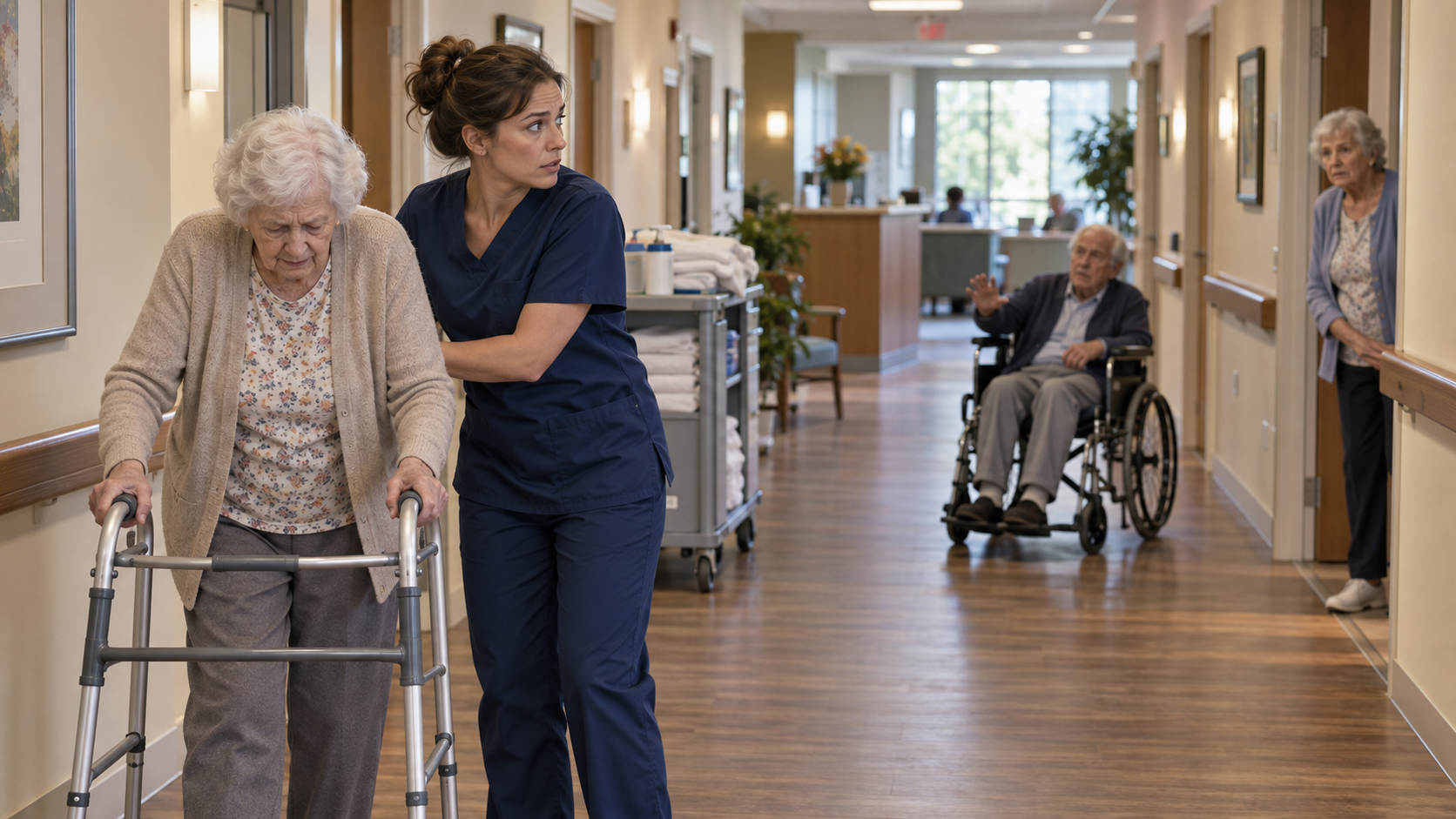
Physical abuse involves intentional force or rough treatment that causes pain, injury, or fear.
Examples include:
- Hitting
- Pushing
- Slapping
- Improper use of restraints
- Rough handling during transfers or bathing
Emotional Abuse
Emotional abuse may not leave visible injuries, but it can still cause serious harm.
Examples include:
- Yelling
- Humiliation
- Threats
- Intimidation
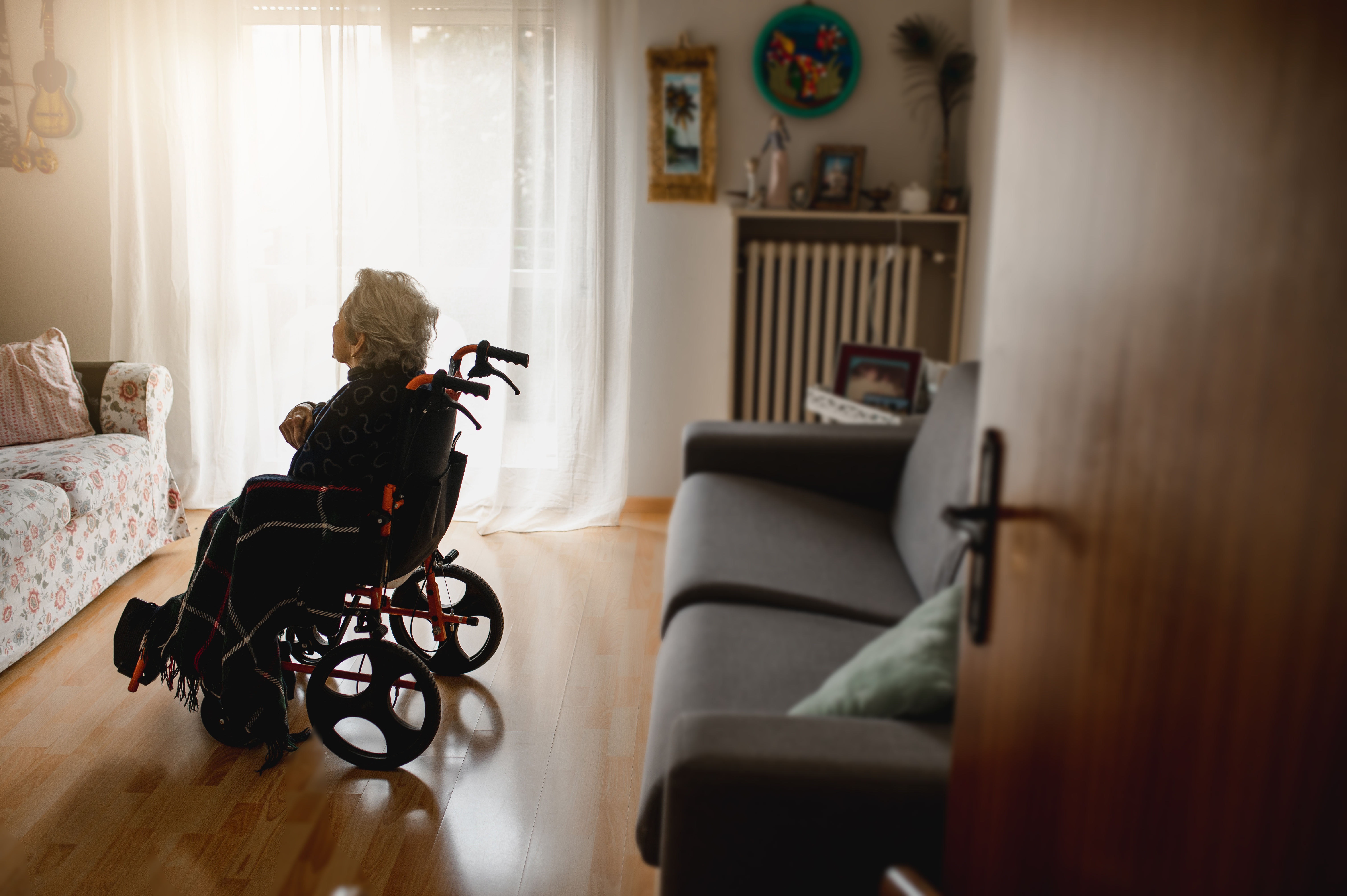
- Isolating a resident
- Mocking or degrading language
Neglect
Neglect is one of the most common issues in long-term care settings. It happens when staff fail to provide necessary care.
Examples include:
- Failing to provide food or water
- Ignoring hygiene needs
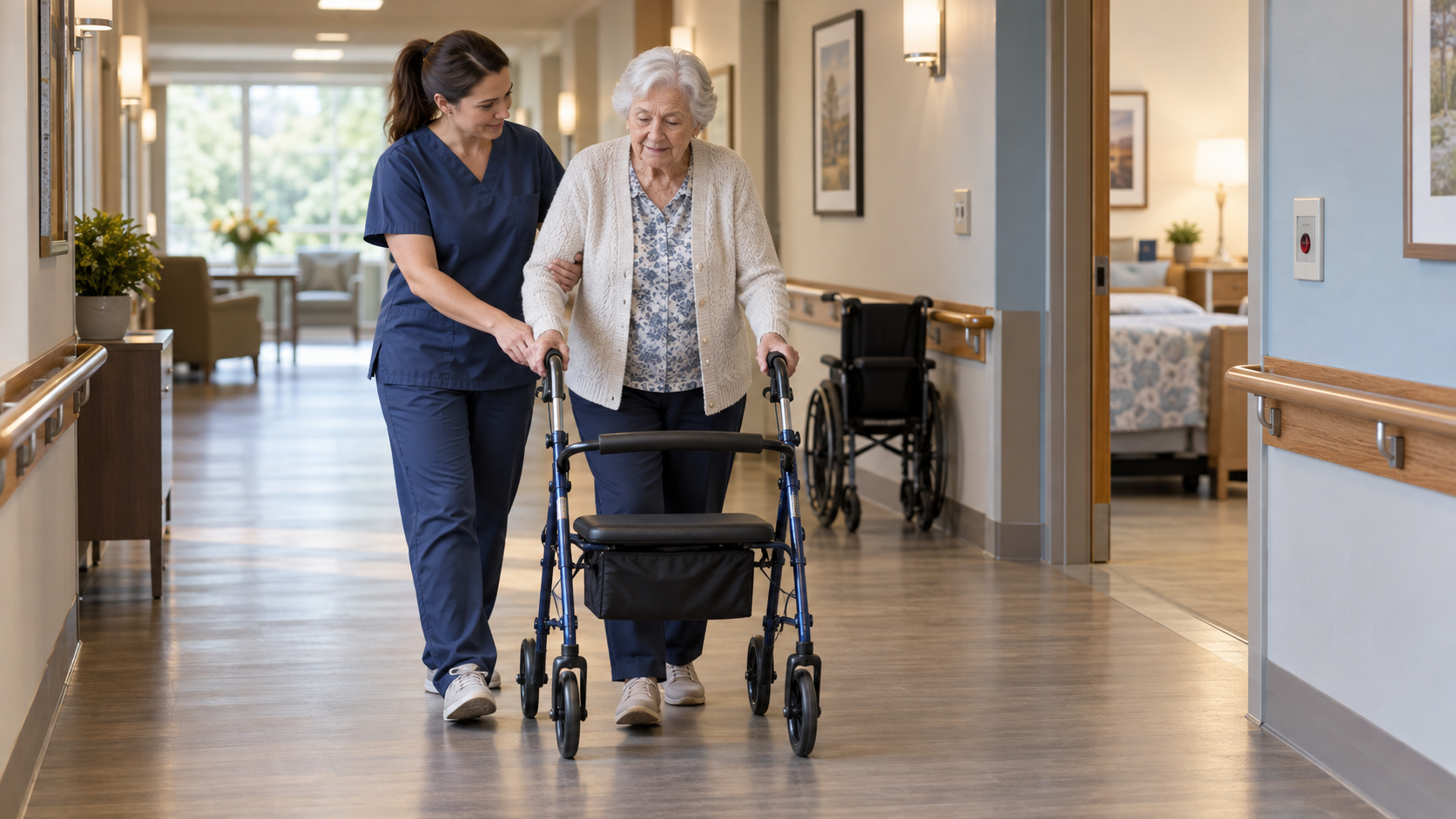
- Not assisting with mobility
- Failing to prevent bedsores
- Delaying medical treatment
- Not administering medication properly
Financial Abuse
Financial exploitation can happen when someone improperly uses a resident’s money, property, or accounts.
Examples include:
- Stolen cash
- Unauthorized purchases
- Forged signatures
- Pressure to change legal documents
- Missing valuables
Sexual Abuse
Sexual abuse includes any non-consensual sexual contact or behavior involving a resident.
Understanding these categories is an essential part of preventing abuse in nursing homes because it helps families recognize when something is wrong.
Warning Signs Families Should Watch For
If you want to know how to prevent abuse in nursing homes, one of the most important steps is learning the warning signs.
Elder abuse often goes unnoticed unless it is reported by witnesses, so it is crucial for families and staff to remain vigilant for any signs of suspected abuse.
Physical Warning Signs
Watch for:
- Unexplained bruises
- Cuts or burns
- Fractures
- Repeated falls
- Bedsores
- Dehydration
- Poor hygiene
- Sudden weight loss
Emotional and Behavioral Warning Signs
Pay attention to:
- Withdrawal
- Depression
- Anxiety
- Fear around certain staff members
- Sudden mood changes
- Unusual silence
- Agitation or confusion
Financial Warning Signs
Look for:
- Missing personal belongings
- Unusual banking activity
- Unpaid bills despite available funds
- Sudden changes to financial documents
Facility-Related Red Flags
Families should also be concerned if they notice:
- Unanswered call lights
- Consistently dirty rooms
- Poor staff communication
- Understaffed hallways
- Residents left unattended
- Evasive responses from administrators
Spotting these issues early is a key part of how to prevent elder abuse in nursing homes from escalating into serious injury or long-term harm.
How to Prevent Elder Abuse in Nursing Homes Before Choosing a Facility
One of the best ways to approach how to prevent elder abuse in nursing homes is to start before your loved one is even admitted. Responsible staff and proper disease control are important factors in preventing elder abuse.
Families should seek out resources to help them evaluate facilities, and remember that nursing homes must meet certain standards of care, with inspections helping to identify violations that could put residents at risk.
1. Visit the Facility More Than Once
Do not rely on a single guided tour. Visit at different times of day so you can observe normal operations.
Pay attention to:
- Cleanliness
- Staff attitude
- Resident appearance
- Noise levels
- How quickly staff respond to needs
2. Ask Questions About Staffing
Staffing issues often play a major role in neglect and abuse.
Ask about:
- Staff-to-resident ratios
- Employee turnover
- Staff training
- Background checks
- Supervision procedures
3. Review the Facility’s History
A nursing home’s track record can reveal serious concerns.
Look into:
- Prior complaints
- Inspection results
- Health and safety violations
- Repeated patterns of poor care
4. Observe Resident Life
Residents can tell you a lot about a facility.
Notice whether residents appear:
- Clean
- Engaged
- comfortable
- Supervised
- Treated with dignity
These early steps are critical for families focused on how to prevent abuse in nursing homes before problems begin.
How to Prevent Abuse in Nursing Homes Through Family Involvement
Once a loved one is in a facility, family involvement remains essential. In fact, one of the strongest strategies for preventing abuse in nursing homes is regular, visible, and consistent involvement.

Visit Frequently
Frequent visits help you monitor conditions and show staff that someone is paying attention.
Try to:
- Visit on different days
- Stop by at different times
- Make some visits unannounced
- Observe meals, hygiene, and staff interactions
Speak With Your Loved One Privately
Whenever possible, talk privately so they can speak more freely.
Ask questions such as:
- Are staff treating you kindly?
- Are you getting help when you need it?
- Are your medications being given on time?
- Do you feel safe here?
Stay in Contact With Staff
Build professional relationships with:
- Nurses
- Caregivers
- Administrators
- Social workers
Regular communication can help families stay informed and quickly address concerns.
Monitor Changes Over Time
Be alert to changes in:
- Physical health
- Emotional state
- Mobility
- Appetite
- Behavior
- Alertness
Ongoing involvement is central to how to prevent elder abuse in nursing homes because abuse often becomes easier to detect when families stay engaged.
Preventing Abuse in Nursing Homes With a Practical Oversight Plan
Families often do best when they have a clear system for checking in and tracking care.
A simple oversight plan may include:
- Keeping a written care log
- Documenting medication changes
- Noting unexplained injuries
- Recording concerns after each visit
- Saving emails and written communications
- Assigning family members specific responsibilities
For example:
- One family member tracks medical updates
- Another reviews billing and finances
- Another makes regular in-person visits
This type of structure can strengthen accountability and support preventing abuse in nursing homes on a long-term basis.
How to Encourage Resident Safety and Self-Advocacy
Another important part of how to prevent abuse in nursing homes is helping residents feel supported enough to speak up.
Families can encourage this by:
- Reassuring their loved one that complaints are okay
- Keeping a phone accessible
- Checking in consistently
- Listening carefully to concerns
- Taking even small complaints seriously
Residents are more likely to report poor treatment when they know their family will believe them and act on their concerns.
Questions Families Should Ask a Nursing Home
If you are researching how to prevent abuse in nursing homes, asking the right questions can help you identify risks early.
Consider asking:
- How are complaints handled?
- How often are care plans updated?
- What is your staff turnover rate?
- How do you screen employees before hiring?
- How are emergencies handled?
- How do you prevent falls, bedsores, and dehydration?
- How are family concerns documented and addressed?
- What happens if a resident reports abuse?
These questions can reveal whether a facility takes resident safety seriously.
What to Do if You Suspect Abuse or Neglect
Even when families are careful, problems can still happen. Knowing what to do next is part of understanding how to prevent elder abuse in nursing homes from continuing.
Take These Steps Immediately
- Document what you see
- Take photographs of injuries or unsafe conditions if appropriate
- Write down dates, names, and conversations
- Ask the facility for an explanation
- Seek medical attention if needed
- Report immediate danger to the proper authorities
- Speak with an attorney if the harm appears serious
Keep Detailed Records
Helpful documentation may include:
- Photos
- Medical records
- Incident notes
- Billing records
- Emails
- Names of witnesses
- Written complaints
Acting quickly can make a major difference when abuse or neglect is suspected.
How to Prevent Elder Abuse in Nursing Homes With Long-Term Monitoring
The answer to how to prevent elder abuse in nursing homes is not one single step. It is an ongoing process. Families should think of it as a combination of preparation, awareness, communication, and follow-through.
The most effective ways of preventing abuse in nursing homes often include:
- Choosing a facility carefully
- Visiting often
- Documenting concerns
- Paying attention to warning signs
- Maintaining communication
- Responding quickly when something feels wrong
In other words, how to prevent abuse in nursing homes comes down to staying proactive rather than assuming everything is fine.
About Peck Law Corporation
At Peck Law Corporation, we understand how painful and overwhelming it can be for families to discover that a loved one may have suffered abuse or neglect in a nursing home or long-term care facility. We are based in Simi Valley and are experienced elder abuse and nursing home abuse lawyers serving all of Southern California.
Our firm is committed to helping families hold negligent and abusive care providers accountable. For all injury-related cases, we work on a contingency fee basis, which means you do not pay attorney fees unless we recover compensation for you. As a note, we do not handle cases involving financial abuse.
Speak With an Experienced Nursing Home Abuse Lawyer Today
Families who stay informed and involved are often in the best position to recognize risks and help protect loved ones from abuse and neglect. Careful research, active involvement, regular monitoring, and quick action when concerns arise can all help reduce the risk of abuse and neglect.
If you suspect that your loved one has been harmed in a nursing home or long-term care facility, contact Peck Law Corporation today for a free legal consultation. We are here to help families throughout Southern California understand their rights and pursue justice.
Frequently Asked Questions
How can families help prevent elder abuse in nursing homes?
Families can help prevent elder abuse by staying actively involved in a loved one’s care, visiting regularly, and paying attention to changes in health, mood, or living conditions. Researching a facility before admission and maintaining open communication with staff can also reduce the risk of abuse or neglect.
What are the warning signs of abuse in a nursing home?
Common warning signs include unexplained bruises, bedsores, dehydration, poor hygiene, sudden weight loss, and unusual changes in behavior or mood. Families should also watch for fearfulness around staff, missing belongings, and signs that medical or personal care needs are being ignored.
What causes abuse and neglect in nursing homes?
Abuse and neglect in nursing homes are often linked to understaffing, poor training, lack of supervision, and high employee turnover. In some cases, a facility’s overall culture and failure to respond to complaints can also create conditions where mistreatment occurs.
What should I do if I suspect nursing home abuse or neglect?
If you suspect abuse or neglect, document what you observe, take photographs if appropriate, and write down dates, names, and details of any incidents. You should also seek medical attention if needed and consider reporting the issue to the facility, the appropriate authorities, or an attorney.
%20(1).avif)