.avif)

Understanding the difference between elder abuse vs neglect can help families recognize warning signs, protect vulnerable loved ones, and take action when something is wrong. While both elder abuse and elder neglect involve mistreatment of an older adult, they are not always the same. The key difference often comes down to intent, conduct, and the type of harm involved.
Elder abuse usually involves an intentional act that causes harm or creates a serious risk of harm. Elder neglect, on the other hand, typically involves a failure to provide necessary care, supervision, or basic needs. Both can happen at home, in assisted living facilities, in nursing homes, or anywhere an older adult depends on another person for care.
What Is Elder Abuse?
Elder abuse is generally an intentional act that harms an older adult or places them at serious risk of harm. Abuse can be physical, emotional, sexual, or financial. It may be committed by family members, caregivers, nursing home staff, or others in a position of trust.
Common examples of elder abuse include:
- Hitting, pushing, restraining, or using unnecessary force
- Threatening, humiliating, isolating, or verbally attacking an older adult
- Stealing money, changing financial documents, or pressuring someone into giving gifts
- Misusing power of attorney or access to bank accounts
- Withholding medication or care as a form of punishment or control
- Any unwanted sexual contact
In many elder abuse cases, the harmful conduct is active and deliberate. The abuser does something that directly causes injury, fear, emotional distress, financial loss, or another form of harm.
What Is Elder Neglect?
Elder neglect is the failure of a caregiver, facility, or responsible party to provide the care an older adult needs to remain safe and healthy. Neglect may be intentional, but it can also happen because of understaffing, poor training, caregiver burnout, lack of resources, or a failure to understand the older adult’s needs.
Examples of elder neglect may include:
- Failing to provide food, water, clean clothing, or safe shelter
- Ignoring medical needs or delaying necessary treatment
- Leaving an older adult in soiled bedding or clothing
- Failing to prevent falls, bedsores, infections, or dehydration
- Not assisting with bathing, toileting, grooming, or mobility
- Failing to supervise an older adult who is at risk of wandering or injury
When comparing elder neglect vs abuse, neglect is often defined by what a caregiver fails to do. The harm may still be severe, even if the caregiver did not intend to cause injury.
Elder Abuse vs Neglect: Key Differences
The main difference between elder abuse vs neglect is that abuse usually involves a harmful action, while neglect often involves a failure to act. However, both can result in serious injuries, emotional trauma, worsening health, and even death.
How Intent Separates Elder Abuse From Elder Neglect
Intent is one of the most important distinctions in the elder neglect vs abuse conversation. Elder abuse is commonly associated with intentional behavior. For example, a caregiver who slaps an older adult, threatens them, or steals from their bank account is engaging in purposeful misconduct.
Elder neglect can be more complicated. A caregiver may fail to provide proper care because they are overwhelmed, poorly trained, or unaware of the older adult’s medical needs. In a nursing home setting, neglect may result from understaffing, inadequate supervision, poor safety procedures, or a facility’s failure to respond to known risks.
That said, neglect can still be intentional. A caregiver who knowingly withholds food, water, medication, or hygiene assistance may be committing neglect that rises to the level of intentional mistreatment.
Common Warning Signs of Elder Abuse
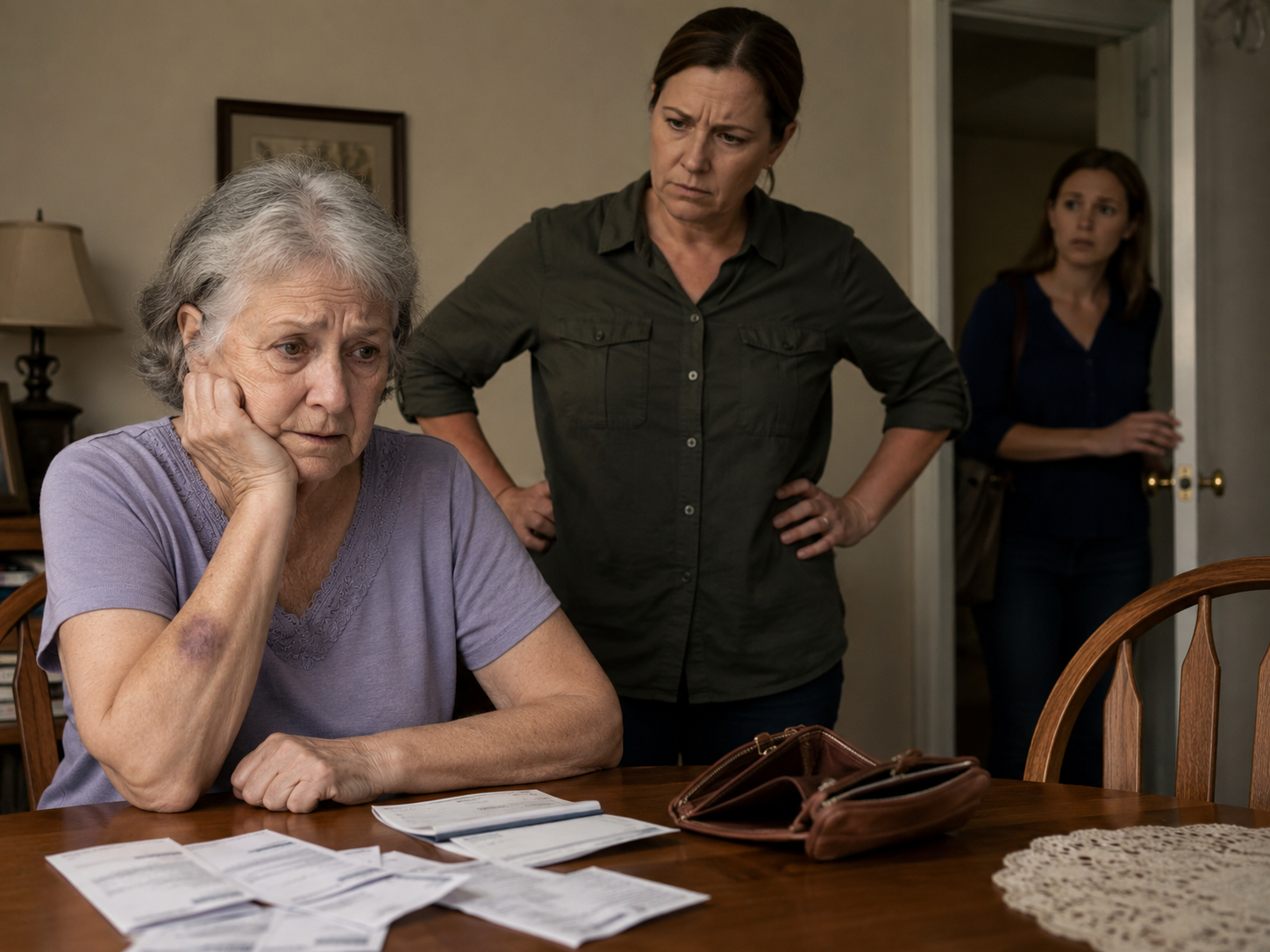
Families should pay close attention to sudden changes in an older adult’s physical condition, behavior, mood, or finances. Warning signs of elder abuse may include:
- Unexplained bruises, cuts, burns, fractures, or other injuries
- Fear, anxiety, depression, or withdrawal around a specific caregiver
- Sudden changes to wills, trusts, bank accounts, or property ownership
- Missing valuables, unpaid bills, or unusual financial transactions
- Isolation from family members or friends
- Signs of intimidation, threats, or emotional control
- A caregiver who refuses to allow private conversations with the older adult
These signs do not always prove abuse, but they should never be ignored.
Common Warning Signs of Elder Neglect
Neglect can be easier to overlook because it may develop gradually. An older adult may decline physically or emotionally over time, especially if basic needs are not being met.
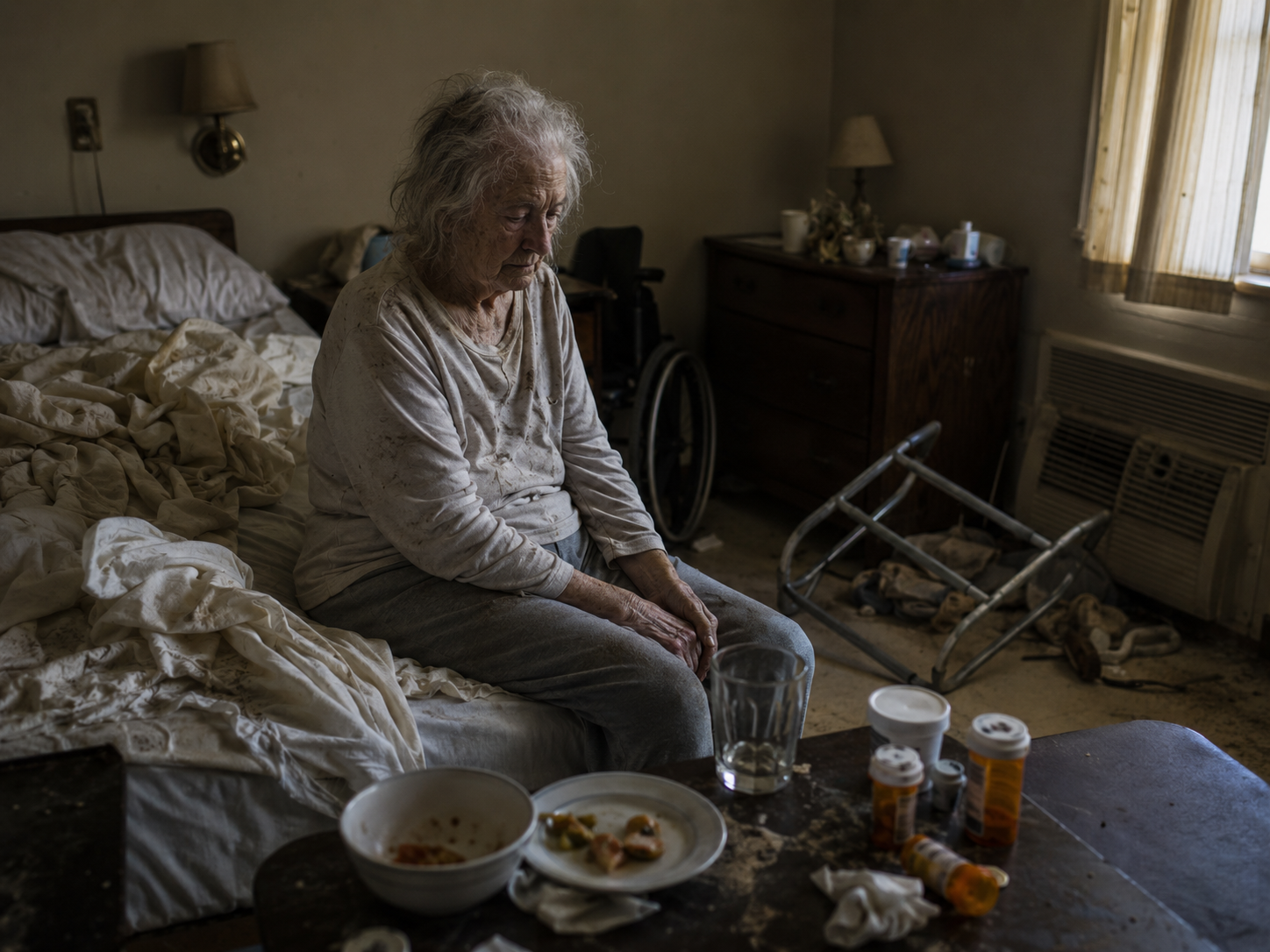
Possible signs of elder neglect include:
- Poor hygiene, dirty clothing, or strong odors
- Bedsores, pressure ulcers, or skin infections
- Dehydration or malnutrition
- Weight loss without a clear medical explanation
- Missed medications or untreated medical conditions
- Frequent falls or injuries caused by lack of supervision
- Unsanitary living conditions
- Unsafe rooms, broken equipment, or lack of mobility assistance
In nursing homes and assisted living facilities, these warning signs may point to systemic problems, including understaffing, lack of training, or failure to follow care plans.
Why Elder Abuse and Elder Neglect Are Often Connected
Although elder abuse and elder neglect are different, they can overlap. For example, a nursing home resident may suffer neglect because staff fail to turn them regularly, leading to pressure sores. If the facility knew about the risk and repeatedly ignored it, the neglect may reflect a deeper pattern of misconduct.
Similarly, financial abuse may occur alongside neglect. A caregiver may take control of an older adult’s money while failing to provide adequate food, medication, or safe housing. Emotional abuse may also accompany neglect when a caregiver blames, threatens, or shames an older adult for needing help.
This is why families should look at the full picture. The issue is not always limited to one event. It may involve a pattern of unsafe, careless, or abusive conduct.
Elder Neglect vs Abuse in Nursing Homes
The distinction between elder neglect vs abuse is especially important in nursing home cases. Nursing homes are responsible for providing appropriate care, supervision, and assistance based on each resident’s needs. When facilities fail to do so, residents can suffer serious injuries.
Nursing home neglect may involve:
- Failure to prevent falls
- Failure to treat or prevent bedsores
- Medication errors
- Poor infection control
- Dehydration or malnutrition
- Lack of supervision for residents with dementia
- Failure to respond to call lights or medical complaints
Nursing home abuse may involve:
- Physical assault by staff or other residents
- Verbal threats, humiliation, or intimidation
- Unnecessary restraints
- Sexual abuse
- Financial exploitation
- Retaliation after a resident complains
Whether the harm is labeled abuse or neglect, families may have legal options when a nursing home, assisted living facility, or caregiver fails to protect an older adult.
What Families Should Do If They Suspect Elder Abuse or Neglect
If you believe an older loved one is in immediate danger, call 911 or seek emergency medical help. For non-emergency concerns, families should document what they observe and act quickly.
Helpful steps may include:
- Photographing visible injuries, unsafe conditions, or poor hygiene
- Saving medical records, care plans, bills, and facility communications
- Writing down dates, names, symptoms, and statements from staff or witnesses
- Speaking privately with the older adult when possible
- Reporting concerns to the appropriate agency or facility administrator
- Contacting an elder abuse attorney to understand your legal options
Early action can help protect the older adult from further harm and preserve important evidence.
How Peck Law Corporation Helps Elder Abuse and Nursing Home Abuse Victims
Peck Law Corporation is based in Simi Valley and serves clients throughout Southern California. Our firm is experienced in handling elder abuse, elder neglect, and nursing home abuse cases involving vulnerable older adults who have been harmed by caregivers, facilities, or other responsible parties. As a note, we do not deal with any cases related to financial abuse.
We understand how devastating it can be to discover that a loved one may have been mistreated or neglected. Our team helps families investigate what happened, identify responsible parties, and pursue accountability for injuries caused by abuse, neglect, unsafe conditions, or inadequate care.
For injury-related cases, Peck Law Corporation works on a contingency fee basis. That means you pay no attorney’s fees unless we recover compensation for you.

Contact Peck Law Corporation for a Free Legal Consultation
Knowing the difference between elder abuse vs neglect can help you recognize when an older loved one may be at risk. Abuse often involves intentional harm, while neglect usually involves a failure to provide necessary care. Both are serious, and both may justify legal action when an older adult suffers injury or harm.
If you suspect elder abuse, elder neglect, or nursing home abuse, contact Peck Law Corporation today. Our elder abuse and nursing home abuse lawyers serve clients throughout Southern California and are ready to help you understand your options. Reach out now for a free legal consultation.
Frequently Asked Questions
What is the main difference between elder abuse and elder neglect?
The main difference between elder abuse and elder neglect is that elder abuse usually involves an intentional harmful act, while elder neglect often involves a failure to provide necessary care. In simple terms, abuse is often something someone does, while neglect is often something someone fails to do.
Is elder neglect considered a form of elder abuse?
Yes, elder neglect is often treated as a form of elder abuse because it can cause serious physical, emotional, and medical harm to an older adult. Even when neglect is unintentional, caregivers and facilities may still be responsible if they fail to provide proper care.
What are the warning signs of elder abuse?
Warning signs of elder abuse may include unexplained bruises, cuts, fractures, fearfulness, withdrawal, sudden financial changes, or a caregiver who prevents private conversations. Any sudden change in an older adult’s physical condition, mood, behavior, or finances should be taken seriously.
What are the warning signs of elder neglect?
Warning signs of elder neglect may include poor hygiene, bedsores, dehydration, malnutrition, weight loss, untreated injuries, missed medications, or unsafe living conditions. These signs may indicate that a caregiver or facility is not meeting the older adult’s basic needs.
%20(1).avif)