.avif)
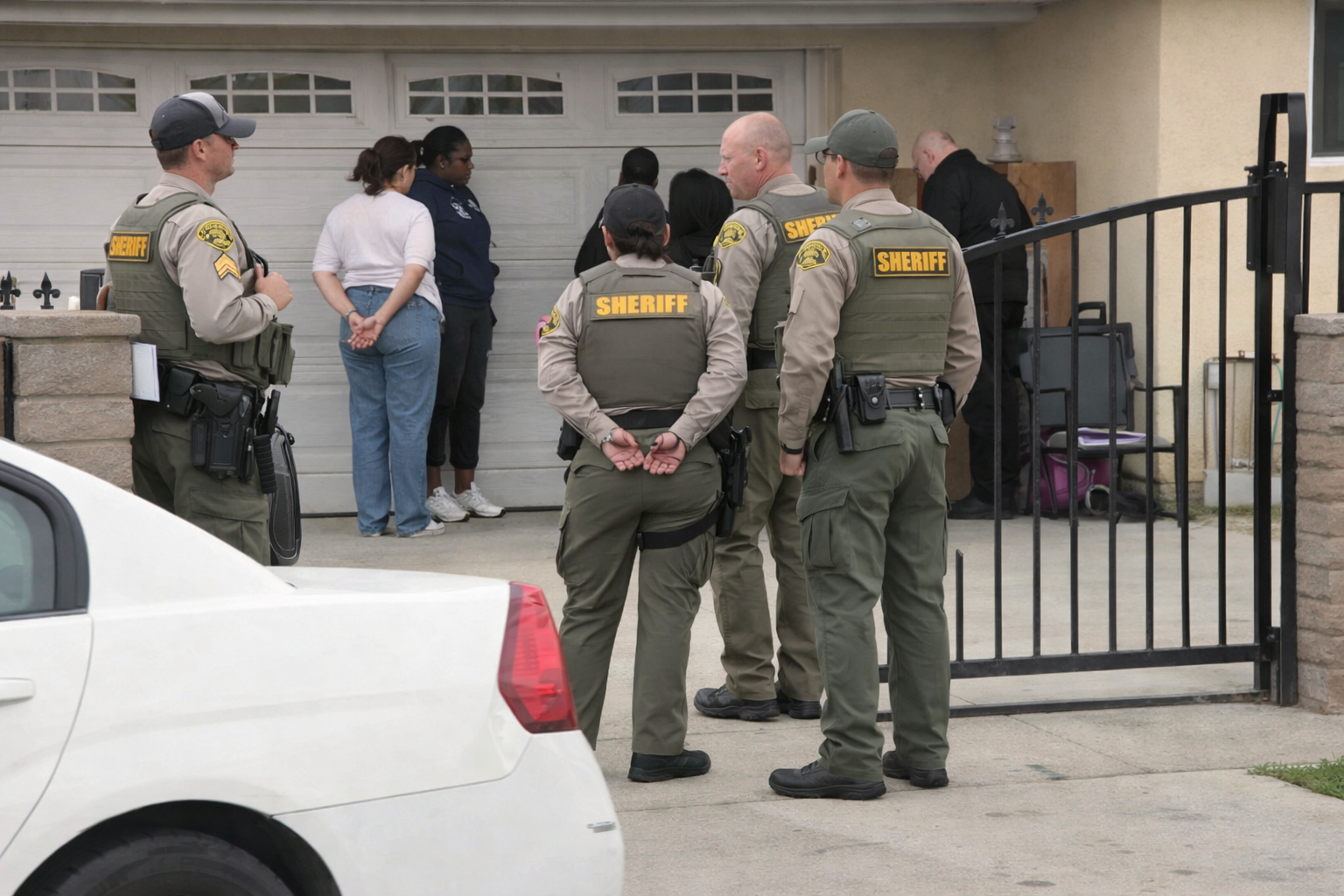
According to local reporting, authorities say at least 11 elderly patients were rescued after an investigation into alleged abuse, neglect, and fraud connected to multiple unlicensed care homes in Carson. Two people, Gary Hogg, 80, and Alicia Hogg, 72, were arrested as part of the investigation.
While some coverage loosely refers to these properties as “nursing homes,” officials have more specifically described them as unlicensed elder-care or care-home facilities, which is an important legal distinction under California law.
What Happened in the Carson Elder Care Investigation?
Public reports indicate that investigators first responded on February 24, 2026, to a property on West 234th Street in Carson after a call regarding services being provided to elderly patients. Deputies reportedly found seven elderly patients who were malnourished and neglected. Authorities later served search warrants at multiple homes and rescued additional patients, bringing the reported total to at least 10, with KTLA reporting at least 11 rescued overall. Multiple agencies participated, including the Los Angeles County Sheriff’s Department, Los Angeles County Fire Department, California Department of Justice, California Department of Social Services, and Adult Protective Services.
That timeline matters. Although February 24 was the date authorities first responded and uncovered part of the alleged misconduct, the broader multi-location enforcement action and arrests were reported in early March 2026. For readers following this story, that means the legal fallout will likely develop in stages: criminal investigation, regulatory review, and potential civil claims by victims and families.
Why This Case Could Be Legally Significant
From a legal perspective, this case is not just about poor care. If the reported facts are proven, it may involve several overlapping forms of elder abuse recognized under California law: neglect, physical harm or mental suffering, deprivation of necessary goods and services, and possible financial abuse or fraud. California’s Elder Abuse and Dependent Adult Civil Protection Act recognizes abuse broadly and includes neglect, financial abuse, abandonment, isolation, and the deprivation by a care custodian of goods or services necessary to avoid physical harm or mental suffering. The California courts’ elder abuse reference also notes that abuse can arise from repeated failures to act, not only from a single dramatic event.
California Penal Code section 368 is also highly relevant. It provides criminal exposure where a person who knows or reasonably should know a victim is an elder willfully causes or permits that person to suffer, or places the elder in circumstances likely to produce great bodily harm or death. The statute separately addresses elder-related fraud and theft as well. In a case involving allegations of malnourishment, lack of proper care, and possible fraudulent operation of care facilities, prosecutors may look at both abuse-based and fraud-based theories of liability.
The Licensing Issue: Why “Unlicensed Care Homes” Changes the Analysis
One of the most important facts reported so far is that authorities described the homes as unlicensed. California’s Senior Care Licensing Program licenses and monitors Residential Care Facilities for the Elderly, with the stated mission of protecting health, safety, and quality of life through regulatory enforcement and compliance. When a home is allegedly operating outside that system, residents may be deprived of the basic protections that licensing is supposed to provide, including oversight, staffing standards, resident rights, and enforcement mechanisms.
That does not mean abuse only happens in licensed facilities. It does mean an unlicensed operation may present additional warning signs in litigation, including inadequate training, lack of lawful staffing, absence of proper resident assessments, poor food and medication errors, unsafe living conditions, and deliberate concealment from regulators or families. In civil cases, those facts can strengthen arguments that the conduct was not a mere mistake, but part of a broader pattern of reckless disregard for vulnerable residents’ safety. That is especially important in elder neglect cases, where the difference between ordinary negligence and heightened misconduct can affect the remedies available.
What Conduct May Qualify as Elder Neglect Under California Law?
California law defines neglect broadly. It includes the failure of a person having care or custody of an elder to exercise the degree of care a reasonable person in a like position would use. The California courts’ elder abuse reference specifically identifies failures involving:
- Hygiene
- Food
- Clothing
- Shelter
- Medical care
- Protection from health and safety hazards as forms of neglect
California authorities also recognize that prolonged or continual deprivation of food or water may rise to the level of physical abuse in the elder abuse context.
Applied to the Carson facts as reported, allegations of malnourishment, neglect, and inadequate care raise serious red flags. If residents were not properly fed, supervised, treated, or medically monitored, those omissions could support both civil elder neglect claims and criminal exposure.
If families were misled about the level of care being provided, or if residents’ funds were taken under false pretenses, additional financial abuse or fraud claims may also come into play. At this stage, those issues remain allegations, but they are exactly the kinds of facts California elder abuse litigation is designed to address.
Potential Civil Liability in a Case Like This
Even when the state pursues criminal charges, families should understand that a criminal case is not the same as a civil case. A criminal prosecution is aimed at punishment and public accountability. A civil elder abuse claim, by contrast, is focused on obtaining justice and compensation for the injured elder or surviving family members. Depending on the facts, a civil action may seek damages for medical expenses, pain and suffering, relocation costs, neglect-related injuries, and in the most serious cases, wrongful death damages.
California’s elder abuse statutory framework can also provide enhanced civil remedies in the right case. Where plaintiffs can prove more than simple negligence, such as recklessness, oppression, fraud, or malice in the commission of neglect or abuse, the law may allow stronger recovery tools than in an ordinary injury claim.
That is one reason these cases should be evaluated quickly and carefully by counsel familiar with both elder abuse law and the evidentiary issues that often arise in care-facility litigation.
Warning Signs Families Should Never Ignore
This case is also a reminder that families should take possible warning signs of elder neglect or abuse seriously. These red flags may include:
- Unexplained weight loss
- Dehydration
- Poor hygiene
- Repeated falls
- Untreated bedsores
- Sudden confusion
- Medication irregularities
- Isolation from loved ones
- Missing money
- Vague or evasive answers from caregivers
In some situations, families are led to believe a loved one is receiving professional care when the reality is very different. A facility or care home may be understaffed, unsafe, or not lawfully operating at all. The alleged Carson operation underscores how quickly vulnerable elders can be placed at risk when no one steps in.
What Families Can Do After Suspected Elder Neglect
When elder neglect is suspected, families should act quickly. Important first steps often include:
- moving the elder to a safe setting,
- obtaining prompt medical evaluation,
- preserving records and communications,
- documenting injuries and living conditions, and
- identifying who controlled the facility, finances, and day-to-day care.
In cases involving alleged unlicensed homes, families should also work to determine:
- what representations were made about the level of care,
- who was collecting payments,
- whether the required licenses or approvals existed, and
- whether multiple homes, operators, or business entities were involved.
These details can make a major difference in identifying responsible parties and tracing liability.
How Peck Law Corporation Helps Families in Southern California
At Peck Law Corporation, we understand how devastating elder neglect cases can be for seniors and the people who love them. Based in Simi Valley, we represent clients throughout Southern California in elder abuse, elder neglect, and nursing home abuse matters. When a vulnerable resident suffers from malnutrition, dehydration, poor supervision, medication errors, unsafe conditions, or other forms of neglect, our firm works to investigate what happened, identify responsible parties, and pursue accountability through a civil claim.
Our office is experienced in handling serious injury-related cases, including elder neglect claims, and we work on a contingency fee basis for injury-related matters. That means families do not pay attorney fees upfront, and our fee is tied to recovery. If you believe an elderly loved one was harmed in a care facility, board-and-care home, assisted living setting, or suspected unlicensed operation, Peck Law Corporation can help evaluate the facts and explain your legal options.
Protect Your Loved One and Explore Your Legal Options
The Carson case is a powerful reminder that families must stay alert when it comes to the safety and well-being of elderly loved ones. When neglect is suspected, early action can make all the difference in protecting a vulnerable senior, preserving important evidence, and holding the responsible parties accountable. No family should have to face the consequences of elder abuse or neglect alone.
If your loved one may have been harmed by neglect, abuse, or unsafe conditions in a care facility, contact Peck Law Corporation today for a free legal consultation. We are proud to help families throughout Southern California pursue justice in elder neglect and nursing home abuse cases, and we handle injury-related matters on a contingency fee basis. Reach out now to learn how we can help protect your loved one and pursue the recovery your family may be entitled to.
%20(1).avif)