.avif)
Every year on June 15, communities around the world pause to recognize World Elder Abuse Awareness Day (WEAAD). This important observance shines a light on an issue that too often remains hidden — the abuse, neglect, and exploitation of older adults.
Elder Abuse Awareness Day 2026 serves as a reminder that protecting seniors is not only a moral responsibility, but a legal and societal one. As our population ages, awareness becomes a critical first step toward prevention, accountability, and justice.
This article explains what World Elder Abuse Awareness Day is, why it matters, how to recognize warning signs of abuse, and what legal options are available to victims and families in California.
What Is World Elder Abuse Awareness Day?
World Elder Abuse Awareness Day was officially recognized by the United Nations General Assembly in 2011. Its purpose is to raise global awareness about elder mistreatment and to encourage governments, organizations, and individuals to take action to protect older adults.
June 15 was designated as the awareness date to unite countries around a single day of education, advocacy, and prevention efforts. On this day, communities host educational programs, advocacy campaigns, and discussions focused on elder rights and safety.
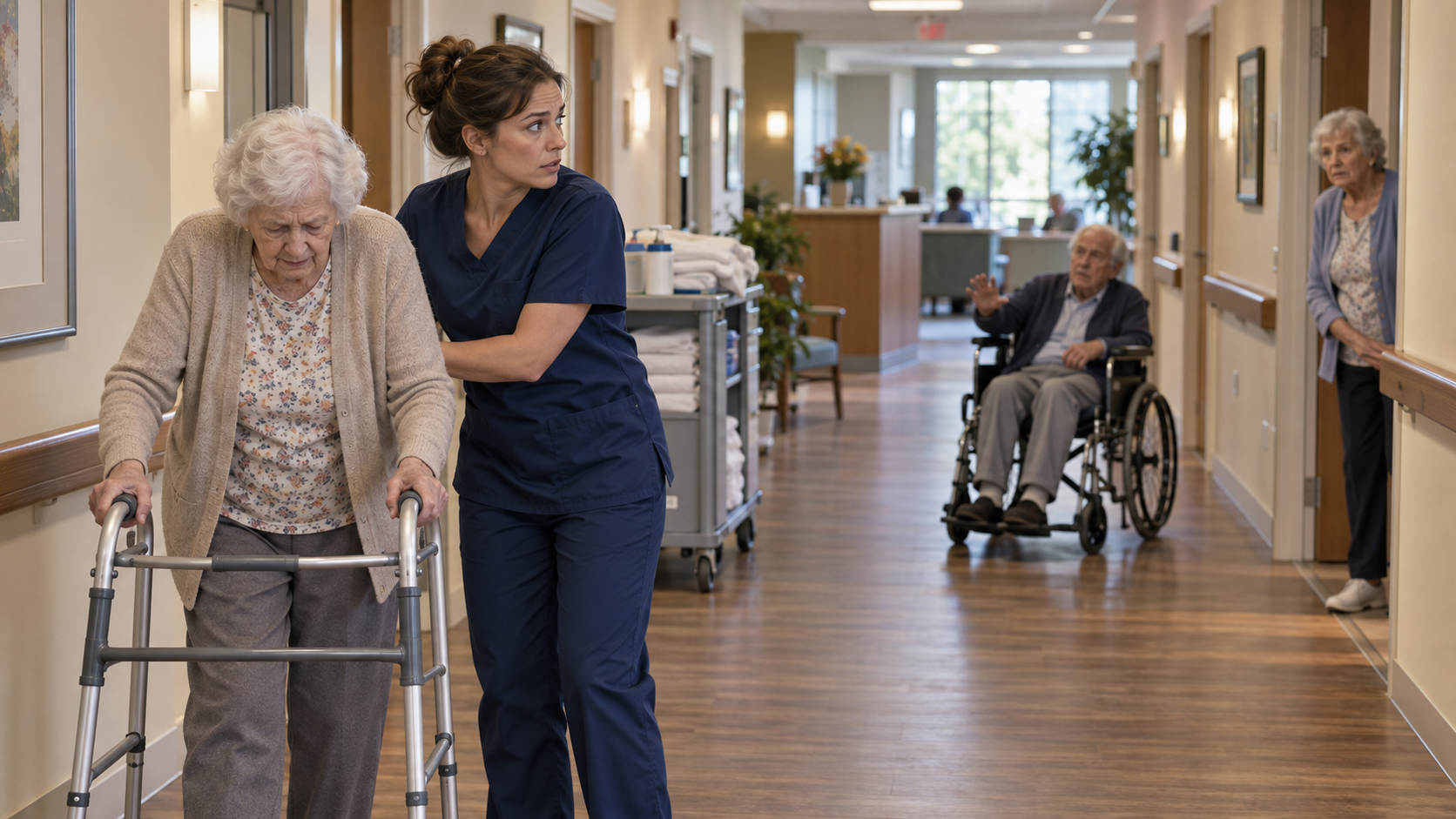
WEAAD highlights the many forms elder abuse can take, including physical abuse, emotional or verbal abuse, financial exploitation, sexual abuse, and neglect. Abuse can occur in private homes, assisted living facilities, and nursing homes, often at the hands of caregivers or trusted individuals.
Statistics consistently show that elder abuse is widespread and underreported. Millions of older adults worldwide experience some form of mistreatment each year, yet many cases are never brought to light. These numbers underscore why awareness and early intervention are so important.
Signs and Symptoms of Elder Abuse
Recognizing the warning signs of elder abuse can prevent harm before it escalates. Abuse does not always leave visible injuries, and behavioral or emotional changes are often the first indicators that something is wrong.

Physical Warning Signs
Physical signs of elder abuse or neglect may include:
• Unexplained bruises, fractures, or frequent injuries
• Sudden weight loss or dehydration
• Poor hygiene, dirty clothing, or untreated medical conditions
• Pressure sores (bedsores) or infections
These indicators often suggest inadequate care, rough handling, or neglect by caregivers or facility staff.
Emotional and Behavioral Red Flags
Emotional and psychological abuse can be harder to detect but just as damaging. Watch for:
• Withdrawal from social activities or family visits
• Fearfulness, anxiety, or sudden mood swings
• Depression, confusion, or reluctance to speak around staff or caregivers
• Noticeable changes in personality or demeanor
Such changes may signal intimidation, verbal abuse, or emotional neglect.
Warning Signs in Nursing Homes and Care Facilities
In long-term care settings, certain environmental or systemic red flags may also point to abuse or neglect:
• Persistent bedsores or frequent infections
• Overmedication or missed medications
• Unsanitary or unsafe living conditions
• Staff discouraging family visits or restricting communication
These signs often reflect understaffing, poor supervision, or systemic neglect within a facility.
Trust Your Instincts
Loved ones and caregivers should always trust their intuition. If something feels wrong, it usually is. Early recognition and reporting of warning signs can protect seniors from serious harm and ensure their dignity and safety are restored.
Why Elder Abuse Often Goes Unreported
Despite how common it is, elder abuse frequently goes unreported. Many seniors suffer in silence due to fear, shame, or dependence on their caregivers. Understanding why abuse goes unreported is the first step toward preventing it.
1. Many seniors fear retaliation, isolation, or being moved from their home or care facility if they speak up.
2. Some feel shame, guilt, or confusion about the situation, especially when cognitive conditions make it hard to express what’s happening.
3. Many older adults depend on their abusers for care, housing, or emotional support, making it difficult to report the mistreatment.
4. In care settings, systemic issues such as understaffing, lack of training, and poor oversight can allow neglect or abuse to go unnoticed.
5. Without safe ways to speak up, many victims stay silent. Families can help by visiting often, listening without judgment, and reassuring their loved ones that it’s safe to share concerns.
Protecting Loved Ones From Elder Abuse
Families can take proactive steps to reduce the risk of elder abuse. Staying involved in a loved one’s care, whether at home or in a facility, helps deter mistreatment and identify problems early.
When choosing a caregiver or care facility, research licensing, inspection reports, and complaint histories. Ask questions, observe interactions, and pay attention to how staff respond to concerns.
If abuse or neglect is suspected, documentation is essential. Keep detailed notes, take photographs when appropriate, and save medical records or communication with caregivers or facilities.
In cases of immediate danger, law enforcement should be contacted. Adult Protective Services can also investigate suspected abuse and help ensure the safety of vulnerable seniors.
Legal Options for Elder Abuse Victims in California
California has some of the strongest laws in the country protecting seniors from abuse and neglect. These laws hold negligent caregivers and facilities accountable while giving victims and families the right to seek justice.
Civil Claims for Elder Abuse and Neglect
Victims and their families may file civil claims against individuals or facilities responsible for harm. These claims can address physical abuse, emotional or psychological harm, financial exploitation, neglect, or wrongful death.
Filing a civil claim allows families to pursue accountability even when criminal charges are not filed. It also sends a clear message that elder mistreatment will not be tolerated.
Compensation Available to Victims
Through a civil lawsuit, victims can seek compensation for:
• Medical expenses and rehabilitation costs
• Pain and suffering
• Emotional distress and loss of dignity
• Wrongful death damages in fatal cases
In particularly severe cases, punitive damages may also be awarded to punish willful misconduct and deter future abuse.
The Importance of Acting Quickly
Prompt legal action is essential. Evidence such as medical records, witness statements, and facility documentation can be lost or altered over time. Early legal intervention helps preserve critical proof, identify responsible parties, and build a strong case for justice.
If you suspect elder abuse or neglect, consulting an experienced elder law attorney immediately can make a significant difference in the outcome of your case.
About Peck Law Corporation: Advocates for Elder Abuse Victims in Simi Valley

Peck Law Corporation is a family-run law practice based in Simi Valley, California, dedicated to protecting vulnerable individuals and holding negligent parties accountable. The firm has extensive experience handling elder abuse and nursing home neglect cases throughout Southern California.
The attorneys at Peck Law Corporation understand the emotional and legal challenges families face when a loved one has been mistreated. They conduct thorough investigations, work with medical and care experts, and pursue justice with compassion and determination.
Client-centered representation is at the heart of the firm’s mission. Families are guided through every step of the legal process with honesty, respect, and a commitment to achieving meaningful results.
Standing Together on World Elder Abuse Awareness Day 2026
World Elder Abuse Awareness Day 2026 is a powerful reminder that protecting seniors requires vigilance, education, and action. By recognizing the signs of abuse and understanding available resources, families can help prevent harm and safeguard their loved ones’ dignity.
Awareness alone is not enough when abuse has already occurred. Accountability is essential.
If you suspect elder abuse or nursing home neglect, Peck Law Corporation is here to help. Contact the firm today for a free consultation. Together, we can uncover the truth, protect vulnerable seniors, and fight for the justice they deserve.
Frequently Asked Questions
What is World Elder Abuse Awareness Day and why is it important in California?
World Elder Abuse Awareness Day, observed on June 15, raises awareness about the mistreatment of older adults and reminds Californians to protect seniors’ safety, dignity, and rights in every care setting.
What are the most common types of elder abuse recognized on Elder Abuse Awareness Day 2026?
Physical neglect, emotional abuse, financial exploitation, and poor nursing home care are among the most prevalent forms of elder mistreatment highlighted during this annual observance.
How can families in California participate in World Elder Abuse Awareness Day 2026?
Families can attend local awareness events, share educational materials, and check in regularly with elderly relatives to ensure they’re safe and properly cared for.
What should I do if I suspect elder abuse in a California nursing home?
Report it immediately to Adult Protective Services or local law enforcement, then contact Peck Law Corporation for legal guidance and support in holding the facility accountable.
How can Peck Law Corporation help victims of elder abuse?
Based in Simi Valley, California, Peck Law Corporation represents elder abuse victims and their families across Southern California, helping them pursue justice, compensation, and long-term safety.
%20(1).avif)